Crime Scene Cleanup in your city
What to do where you live, and who to contact locally.
Pick your city for steps that fit local homes and buildings, the local offices that can help, the records to keep, and questions to ask any crime scene cleanup company before you hire.
Get an email reply about crime scene cleanup
Send a short message to the follow-up inbox. A coordinator can reply by email. This form does not send emergency help; call 911 first if anyone is in danger.
Choose your city
Your city is not listed? The advice on the main pages still applies, and you can send a message for help finding a local company.
Not sure where to start?
Send a short message about your situation. Your request is sent to the follow-up inbox. A coordinator can reply by email.
Your request is sent to the follow-up inbox. A coordinator can reply by email.
If anyone is hurt or in danger, call 911 first.
Why location matters for crime scene cleanup
Where a crime scene is changes how the cleanup goes, even when the event looks the same on paper. Some states register or license trauma cleanup workers. Others treat the work as general contracting or cover it under hazardous waste rules. A few leave it almost fully to the permits that govern medical waste haulers and disposal sites. County health codes can add their own rules for storing and picking up waste. The building matters just as much. A finished basement with carpet over concrete holds fluids differently than a slab home with tile. A raised home with a crawlspace gives blood a path downward that no one sees from the room above. Humid coastal weather slows drying and feeds odor. Dry regions can turn material into dust that spreads when walls or floors are torn out. Apartment buildings add shared hallways, shared air returns, and neighbors who must be kept out of the work area.
Several local offices usually deal with a crime scene before a cleanup crew arrives. Knowing who they are helps you find the paperwork later. The police or sheriff controls the scene and gives the release. Its records unit is where you ask for the report number. The medical examiner or coroner handles the person who died and may hold belongings you need back. The city or county health department answers questions about regulated waste. In some places, it also says who may haul that waste. The state environmental agency licenses medical waste haulers and treatment sites. Code enforcement gets involved if walls or floors are opened. A landlord-tenant office or housing authority may need to know when a rental is not fit to live in. Start with the agency that gave you the release, and ask who else has a file on the address.
A badge on a directory tells you a company paid for a listing. It does not tell you the company is qualified to work in your county. Check for yourself instead. Ask the company which medical waste hauler it uses, and confirm that hauler with your state environmental agency. Ask which disinfectants it uses, and look up the product registration yourself. Ask for a sample final report from a past job with names and addresses removed. Read whether it says what was removed, what was cleaned, and how surfaces were checked. Call your local health department. Ask if trauma cleanup work needs any registration where you live, and then ask the company for that number. If what the company says and what the agency says do not match, keep looking. Rules vary by state and county, so always confirm with the local authority, not a national list.
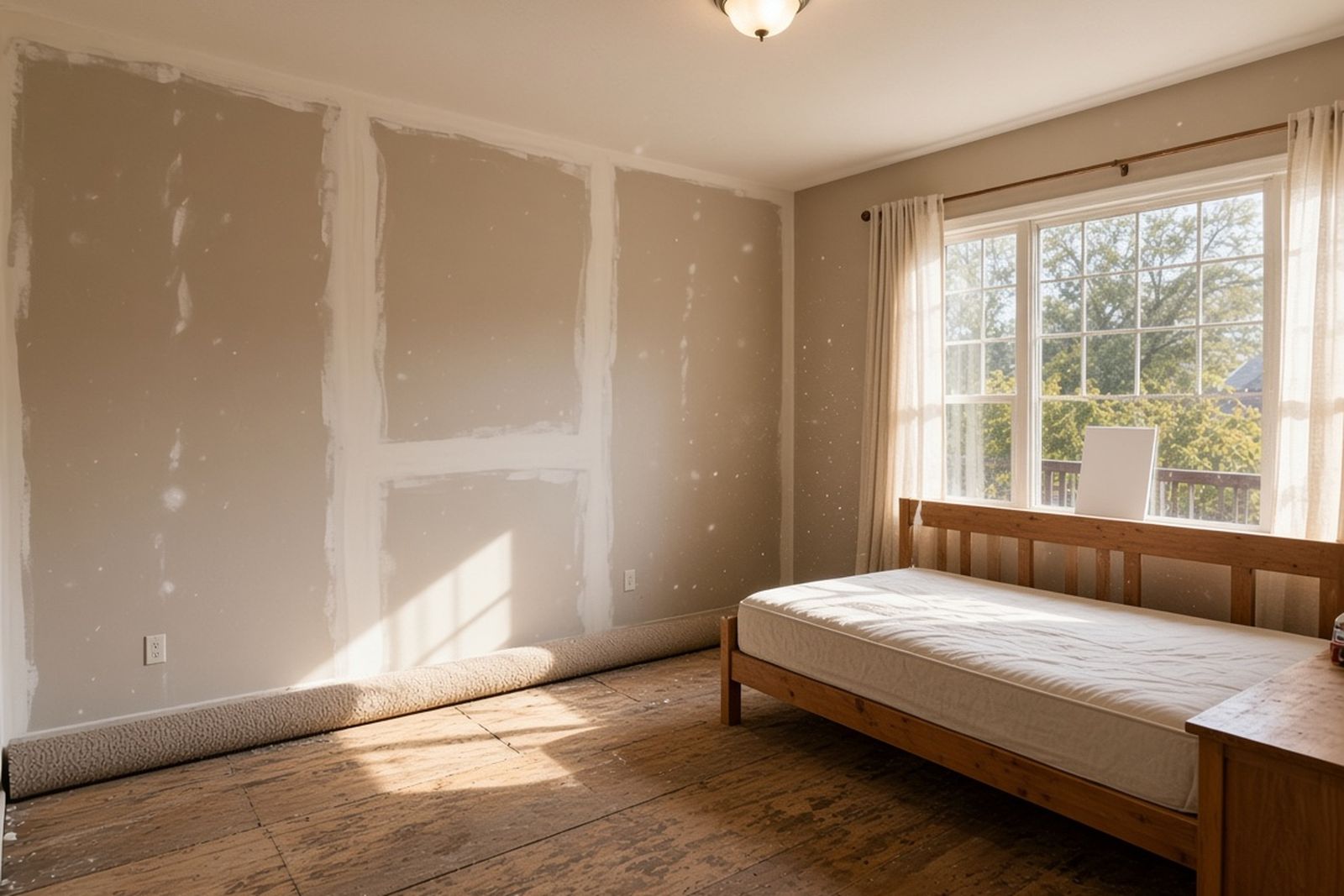
What to verify locally
- Whether your state or county registers trauma cleanup companies, and the exact number the company holds if it does.
- The name and permit status of the medical waste hauler that will actually leave your property with the regulated bags and boxes.
- Which local disposal site takes the regulated waste, and that you will get the waste shipping record or tracking record at the end of the job.
- Whether opening walls, subfloor, or ceilings at your address needs a building permit or an inspection before repair crews can start.
- Who at the police or sheriff's office confirmed the scene was released, and how the company will record that in writing.
- How the company handles shared spaces in your type of building, such as common hallways, stairwells, and central air returns in apartment buildings.
Facts worth knowing
In a study published in 2022, 18% of 521 insured people whose homes flooded said they had an insurance dispute or a denied claim.
Why it matters: Claim disputes do happen, so keep your photos, receipts and every letter or email from your insurer.
Ohio paid 1,977 crime victim compensation awards in fiscal year 2024, averaging $3,716 each, across all kinds of costs, not just cleanup.
Why it matters: These programs do pay real claims, so it may be worth applying if you are a victim with crime-related bills.
Utah's Office for Victims of Crime paid $4,869 in total for crime scene cleanup across all claims in its 2024 reporting year.
Why it matters: Cleanup help from these programs may go unclaimed, so ask your state's victim program whether you qualify.
Local questions about crime scene cleanup
Do I need to hire a company based in my own state?
Not always. But the company must follow the rules where the property is, not where its office is. Waste hauling permits, contractor registration, and any trauma cleanup license depend on where the work happens. A company from another area may team up with a local licensed hauler or hold permits in several states. Ask how it will meet your state and county rules. Then confirm those answers with the agencies involved instead of taking the company's word for it.
How do I find out whether my county requires anything special for regulated waste pickup?
Call the county or city health department. Ask for the person who handles questions about medical or biohazard waste. Some counties leave it all to the state environmental agency. Others add local rules for storage, labels, or timing. Ask if homes are treated differently from businesses, because some places draw that line. Write down who you spoke with and what they said. Compare it with what your company tells you before work begins.
Does the age of my home affect the crime scene cleanup process?
It can. Older homes often have plank subfloors with gaps, plaster walls, and layers of flooring. These give fluids more places to travel. Newer homes tend to use sheet subfloors and drywall, which act differently when soaked. Older buildings may also have lead paint or asbestos. Disturbing those while tearing out materials brings more local rules into play. Tell the company roughly how old the building is, so its review accounts for what is likely behind the surfaces.
Who do I contact if the scene is in a rental unit and the landlord is unresponsive?
Your city or county may have a landlord-tenant office, housing authority, or code enforcement office that handles homes not fit to live in. A local legal aid group can explain tenant rights in your state. Keep a record with dated photos and written messages to the landlord. Rules about who must set up and pay for cleanup vary by state and by lease wording. Ask the local housing office how these disputes are usually settled before you agree to pay for work yourself.
Will a crime scene in a basement or crawlspace need a different approach than one upstairs?
Usually yes. Spaces below ground stay cooler and damper. That slows drying and can make odor and germ growth last longer. Fluids that reach a crawlspace can soak into soil or insulation that must be removed rather than cleaned. Concrete floors may look clean while still holding material in tiny pores and cracks. Ask the company how it will inspect the space under the room where it happened. Ask if it will check moisture levels there before calling the work finished.
How can I confirm the police have actually released the scene in my jurisdiction?
Ask the officer or detective on the case for the release in writing. At least get a name, badge number, and date you can refer to later. Some departments give a formal notice. Others just take down the tape and tell the property contact out loud. If you are unsure, call the records unit with the case number. Ask if any hold remains on the address. Do not let a company start until you have that answer, because disturbing an open scene can cause serious problems.
Are there climate-related steps I should ask about for my region?
Yes. In humid places, ask how the company will dry the space and whether it will use a dehumidifier. Lingering moisture feeds odor and germ growth. In hot places, ask about heat inside the sealed work area and how that affects how long disinfectants stay wet. In cold places, ask if frozen material or an unheated building changes the order of steps. A company that knows your region should explain these changes without being asked.
More on crime scene cleanup
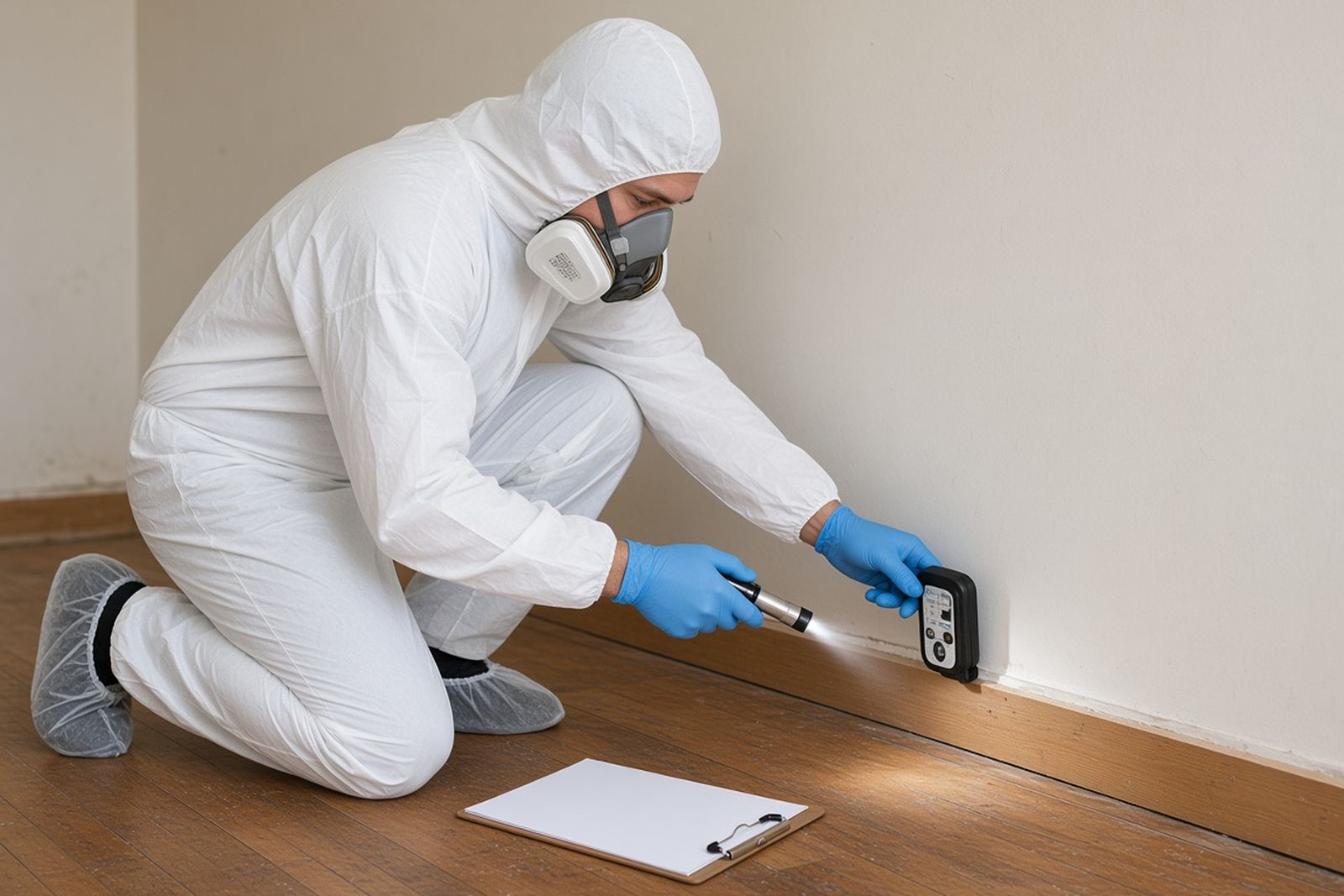
Crime Scene Cleanup services
See what crime scene cleanup covers, from blood and police residue to tear gas and cars, and what the work does not include.
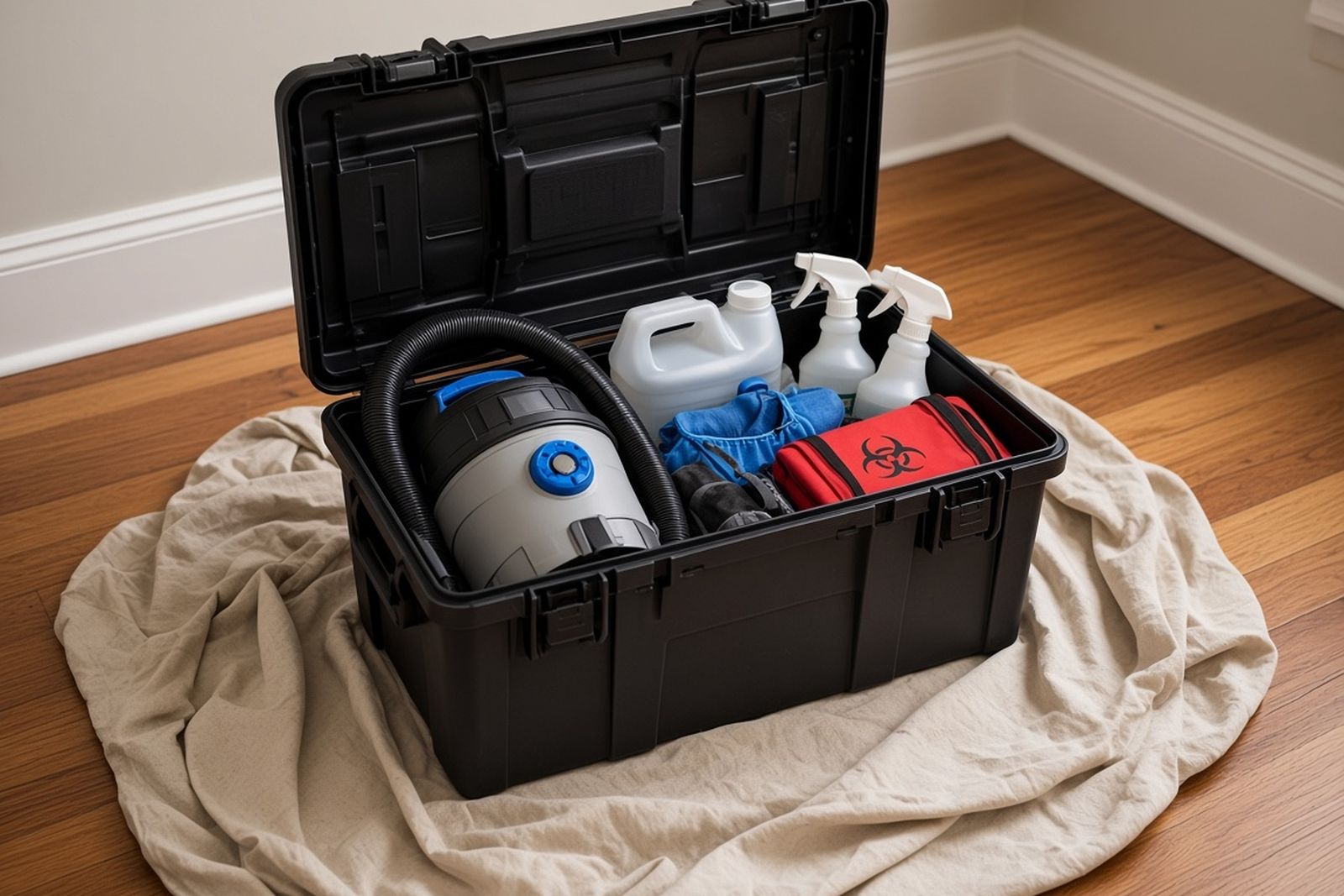
Costs explained
What drives the price, published cost ranges, and how to read a written quote line by line.
Insurance and payment
Which policies may respond, how to document a claim, and what to do if coverage is denied.
Planning tools
Planners, checklists, and guides you can click through for the days after police release a crime scene, each built for this situation.
Community polls
See what other readers think about the choices people face after a crime at their property, from picking a company to what surprised them most.
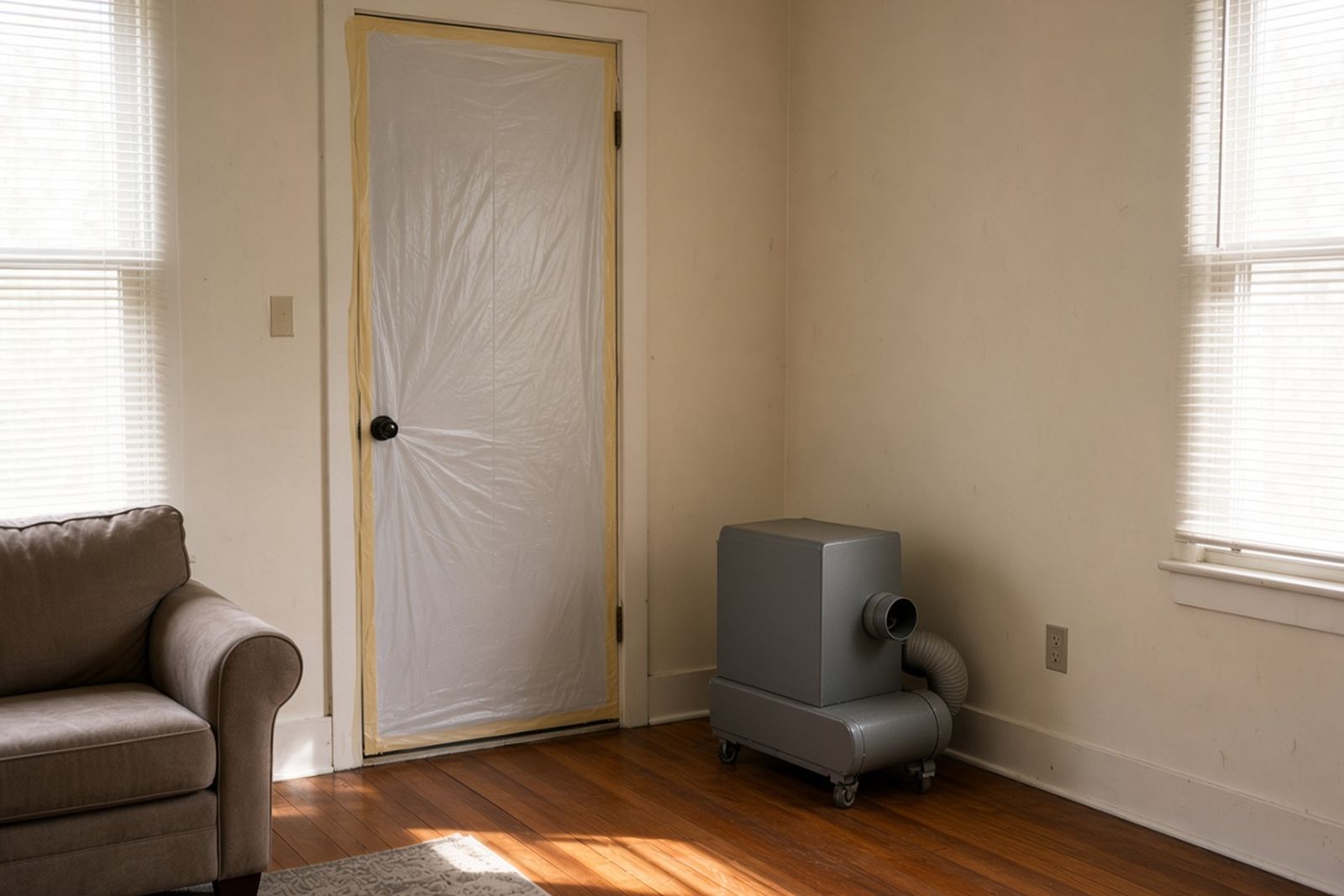
Knowledge quiz
Test what you know about scene release, sealing off the area, disinfecting, waste, and checking the work, with a short quiz and a plain study guide.
Articles and resources
Read about common kinds of crime scenes, like a break-in where someone got hurt, tear gas left after a standoff, or the mess from a police search. Written for owners.
Field guides
Longer step-by-step guides on confirming scene release, working with insurers, reading a cleanup job plan, and keeping people safe while work is underway.