Naples, FL

Crime Scene Cleanup in Naples Canal Estates and Seasonal Homes

What to do, who to contact, and what to ask in Naples.

A violent crime at a Naples canal estate or seasonal home needs trained cleanup. See what snowbird owners should ask, approve and keep on file.

Get an email reply about crime scene cleanup

Send a short message to the follow-up inbox. A coordinator can reply by email. This form does not send emergency help; call 911 first if anyone is in danger.

Tell us what you need help with. Share a short description; please leave out medical details, access codes, and other sensitive information.

A request does not confirm a booking. For immediate danger, contact local emergency services.

Or email info@traumascenecleanup.online

The short answer for Naples, FL

If a violent crime happened at your Naples home, cleanup cannot begin until police release it, and it should not be squeezed in before your flight south. A trained biohazard company does this work. Below you will see what to ask about casitas, lanais and canal-side privacy, how Gulf humidity slows drying, and what a northern owner should keep.

What to do, step by step

  1. 1

    List every casita and cabana once police release the home

    Nothing should start until police release the scene. Then have someone tour the main house plus any guest casita, garage apartment, pool pavilion and outdoor kitchen. Ask for a sketch of the rooms, the lanais and the paths between them, with photos taken before anything moves. If a management agreement or a trust is involved, find out who can approve demolition in each building. Get those names in writing before you fly down or sign anything.

  2. 2

    Settle privacy and waste routes before any cutting

    Ask where the crew will put on gear, how dirty tools will leave and which way sealed waste will travel. All three should stay away from the dock gate and the street hedge. A service court is better than the formal motor court facing beach traffic. The family on the next canal lot should see nothing graphic. Log each seasonal lockbox code you give out, and the day it was canceled.

  3. 3

    Ask what is disinfected and what fails

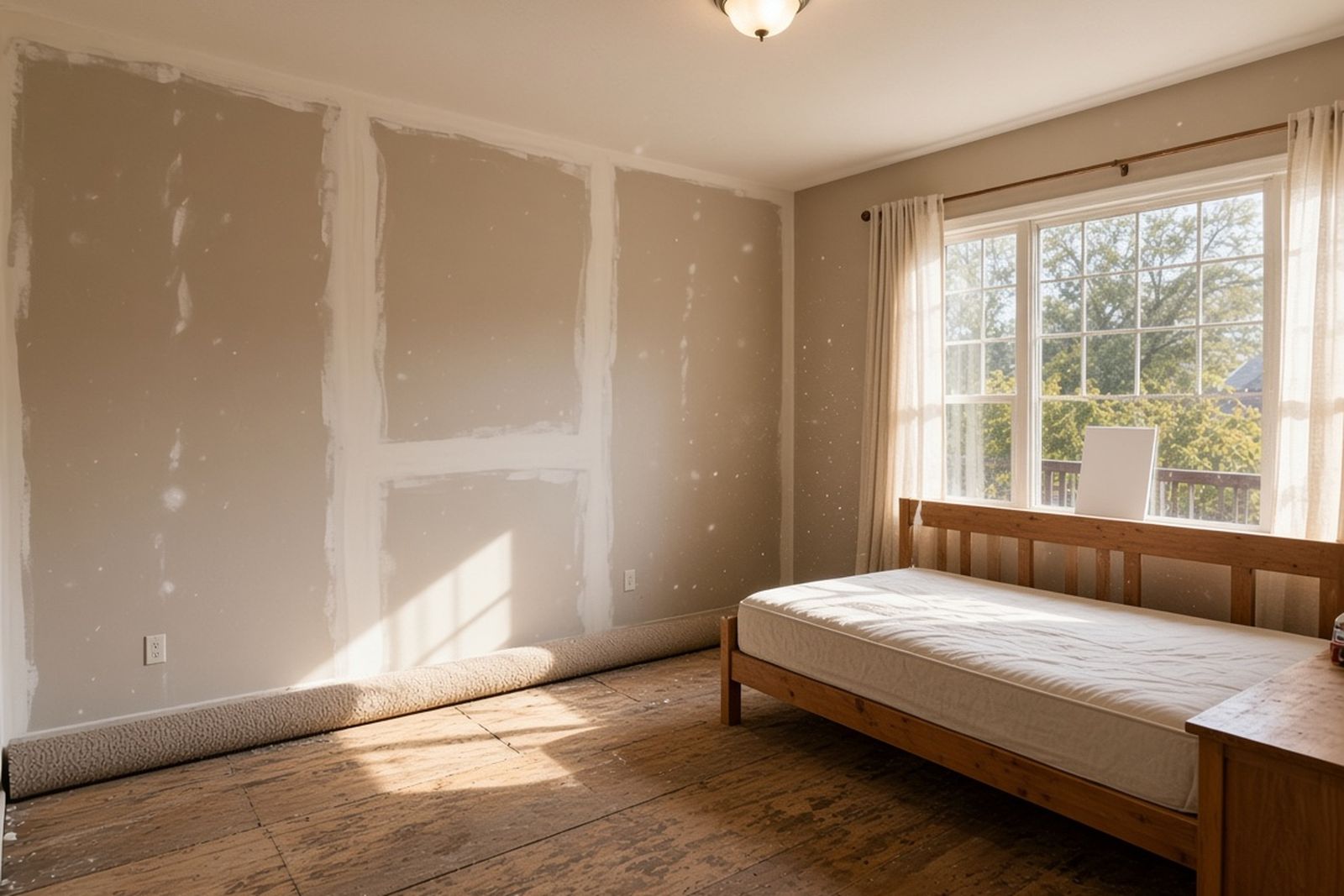
    Tile and grout in a villa are disinfected by the label after the soil is removed. Soaked carpet, drywall and lanai cushions are bagged indoors. Powder left by investigators should be vacuumed dry first, before any spraying. Ask for a record of each keep-or-cut choice and of the openings left for the people who rebuild. If you are away, have photos of those openings emailed to you the same day.

  4. 4

    Ask for a final file you can read from up north

    Ask that it include site-plan photos, a plain account of what was done, each disinfectant, the waste trail and any cautions about returning. You should be able to review it from another state. Biohazard work should be listed apart from yard repairs and finish remodeling. Keep the records with the property for as long as your lawyer or insurer suggests.

What cleanup is like in Naples

Naples is a Collier County town on the Gulf with about 20,000 year-round residents. In winter, owners return to canal-front estates, golf villas and managed seasonal homes. Your lot may have a mangrove edge, a boat slip and a separate guest casita. After police release it, fluid has to be traced through tile grout and drywall, and shoe paths followed across lanais, outdoor kitchens and pool cabanas. Start with the release note and a list of every building on your site. Then be clear on who can approve removing soft materials: you up north, your local manager or a trustee.

From November through Easter, traffic on the Tamiami Trail and tourist rushes on the beach roads make a sealed waste pickup easy to see. Late-spring weeks are often quieter. Your tropical hedges hide the house, yet delivery drivers still notice a truck at the curb. A good crew will keep to one dirty path across the pavers, use bins no one can see into and load from a screened service court. The standard on a canal estate is the same as anywhere: federal blood rules and each cleaner's label. A maid turnover or an odor bomb before you arrive is not cleanup.

You may share the file with a seasonal manager, a high-value insurer and an estate lawyer. Ask for photos of every outbuilding someone entered, the name of each disinfectant with its wet time and a record of where the waste went. City websites and Florida Department of Health materials give local and state facts. Gulf humidity stretches drying, most of all after a storm, far beyond what the dry pine flats inland see. Let the schedule follow the final check and the waste paperwork. Your flight dates should not decide when the house is called done.

What to expect for your type of home

  • Canal-front lots with docks and gates: Ask for a written access plan. It should cover temporary codes, a screened spot to hold waste and trucks that leave emergency turnarounds clear on narrow waterfront lanes.
  • Guest casitas, pool cabanas and outdoor kitchens: Ask that each be listed as its own building. Footprints outside often skip past any clear stain inside, so each one needs its own look.
  • Lanais and outdoor showers: Ask for photos of lanai doorways, outdoor showers and the edges of the pavers, even when the main suite had the visible soil.
  • Seasonal homes with linen closets: Stored linens may sit inside the work area. Have mattresses, rugs and drapes listed before anyone decides what to throw out.
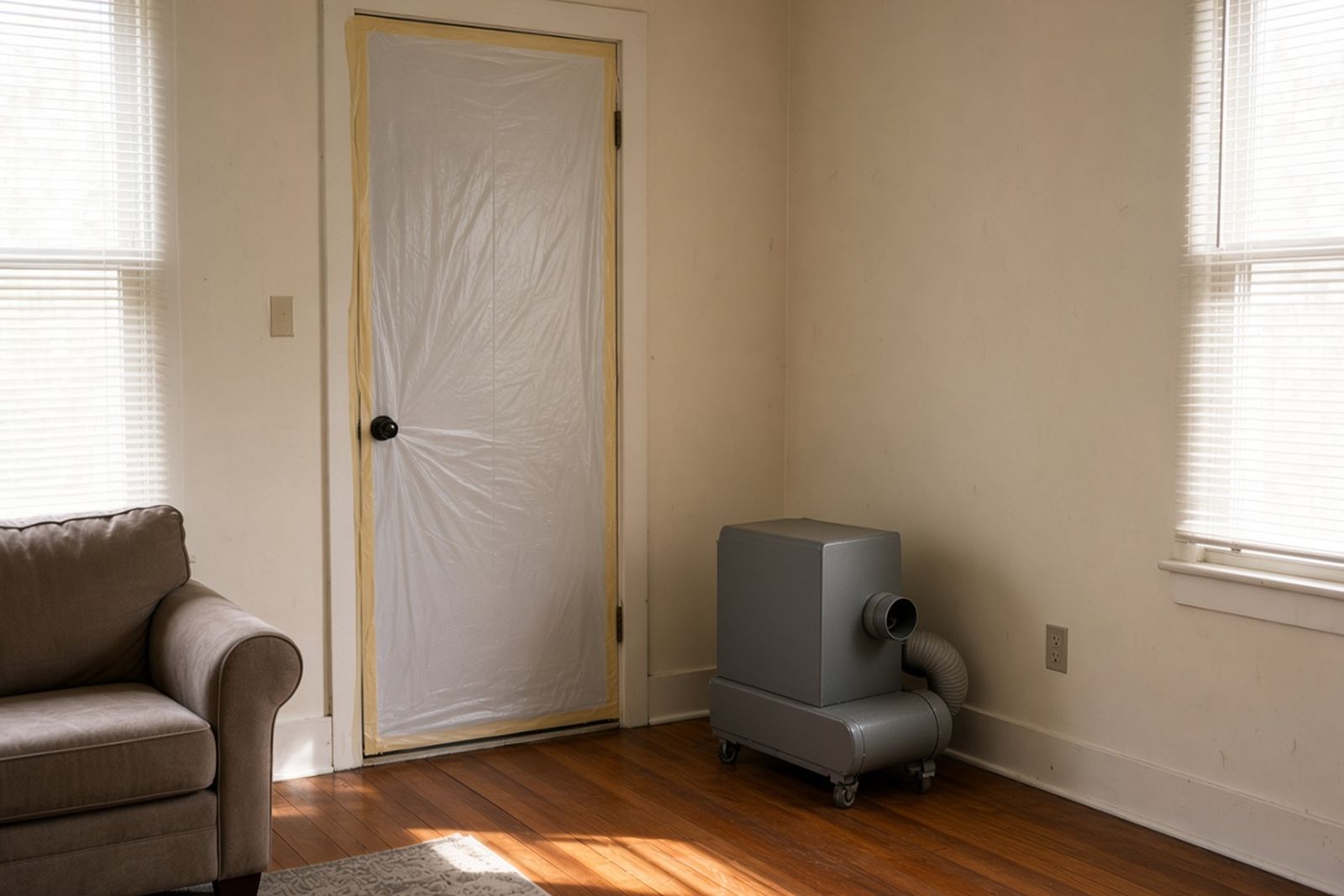
  • Sealed coastal homes with impact windows: Tight houses trap moisture after wet cleaning. Allow a real dry-out before the final check, and keep the air conditioning running as advised.
  • Hedged lots facing beach traffic: Labeled bins belong behind your hedges or in the service court. They should never ride in an open pickup bed past beachgoers.
  • Homes with an owner away and a manager on site: Have it recorded which of you approved each cut of flooring or drywall. That avoids disputes when you return.
  • Homes in storm season: Afternoon thunderstorms and hurricane-season air slow drying. Ask that the weather be noted beside the final check, whatever your arrival date is.

Papers and records to keep

  • The date police cleared your Naples estate and who took that call.
  • A site sketch of all buildings, with photos tied to the casitas, cabanas and main house.
  • Soft materials removed from each building, including seasonal linens, and hard surfaces cleaned in place.
  • A disinfectant list for each building, with minutes of wet time.
  • How investigators' powders and sprays came off the trim, and which filtered vacuums were used.
  • A description of how regulated waste was packed and where it went.
  • A gate code and lockbox log, plus setup choices during peak winter weeks.
  • Photos of lanais, pool decks, outdoor kitchens and outside mudrooms.
  • A list of repairs still to do before anyone stays, whatever the arrival date.

Local offices and official help

Common questions in Naples

We arrive for the season soon. Can the work be finished by then?

Your arrival date cannot decide it. Flight plans and winter check-ins are not a sign-off. Soft materials still waiting for removal and damp wall spaces should stay open until the final check is honest. Moving carts in the quieter off-season weeks may draw less notice from neighbors, but it never replaces the police release, careful use of gear or tracking of regulated waste. Ask that timing choices go in the access log.
The incident was indoors. Why photograph the dock and outdoor kitchen?

Police and residents often head out toward the water and the outdoor kitchen afterward. Their shoes cross the pavers even when the bedroom stains look contained. So dock paths and the outdoor kitchen belong on the sketch. A written line that an area was clear helps your insurer see why several buildings show up on the bill. If a casita is leased on its own, its approval may come from someone else.

Do the mangroves and hedges make the job more private?

Partly. On a Naples mangrove lot, hedges hide the house but can make a truck at the curb more interesting to passersby. A screened service court and covered bins draw less attention. Salt air and storm humidity change only how long drying takes. They do not change OSHA's blood safety rules or what a disinfectant label requires. Ask that the weather be recorded along with the drying notes.

What usually cannot stay after heavy soaking?

Expect to lose wet carpet and pad, soggy wallboard and anything cloth, including the spare mattresses kept for winter guests. Tile can look fine while the grout and the layer under it hold residue, so ask the crew to check the edges. New finishes have to wait until the biohazard work is complete. Furniture should stay in storage until floors and walls are closed and dry, which can take longer in Gulf Coast humidity.

I live up north. What should the final packet give me?

It should give you photos tied to the sketch, lists of what was removed and what was cleaned, and disinfectant names with wet times. It should add waste records and clear cautions about when fragile people can come back. Ask that it state what was found in every casita and cabana, even when that was nothing. Store it with your property records for later buyers or trustees.

How do I manage this while I am away for part of the year?

Have a local manager or someone you trust hold the keys, keep the home closed and let the contractor in. Ask for photos and a written plan by email before you approve work. Make sure the air conditioning stays on at a safe setting, since a closed Florida house can get damp fast. Your insurer may need to be told before work begins. Plan to review the final packet before your return date.

What if a summer storm or hurricane comes during the cleanup?

Storms can interrupt the work and add moisture. When a Gulf storm heads toward Collier County, have the crew bring sealed bags into the garage and tarp any open walls or floors. A power outage can shut off dehumidifiers and air conditioning, which slows drying. File wind or water damage pictures apart from the cleanup photos, because your insurer may treat them as separate claims.

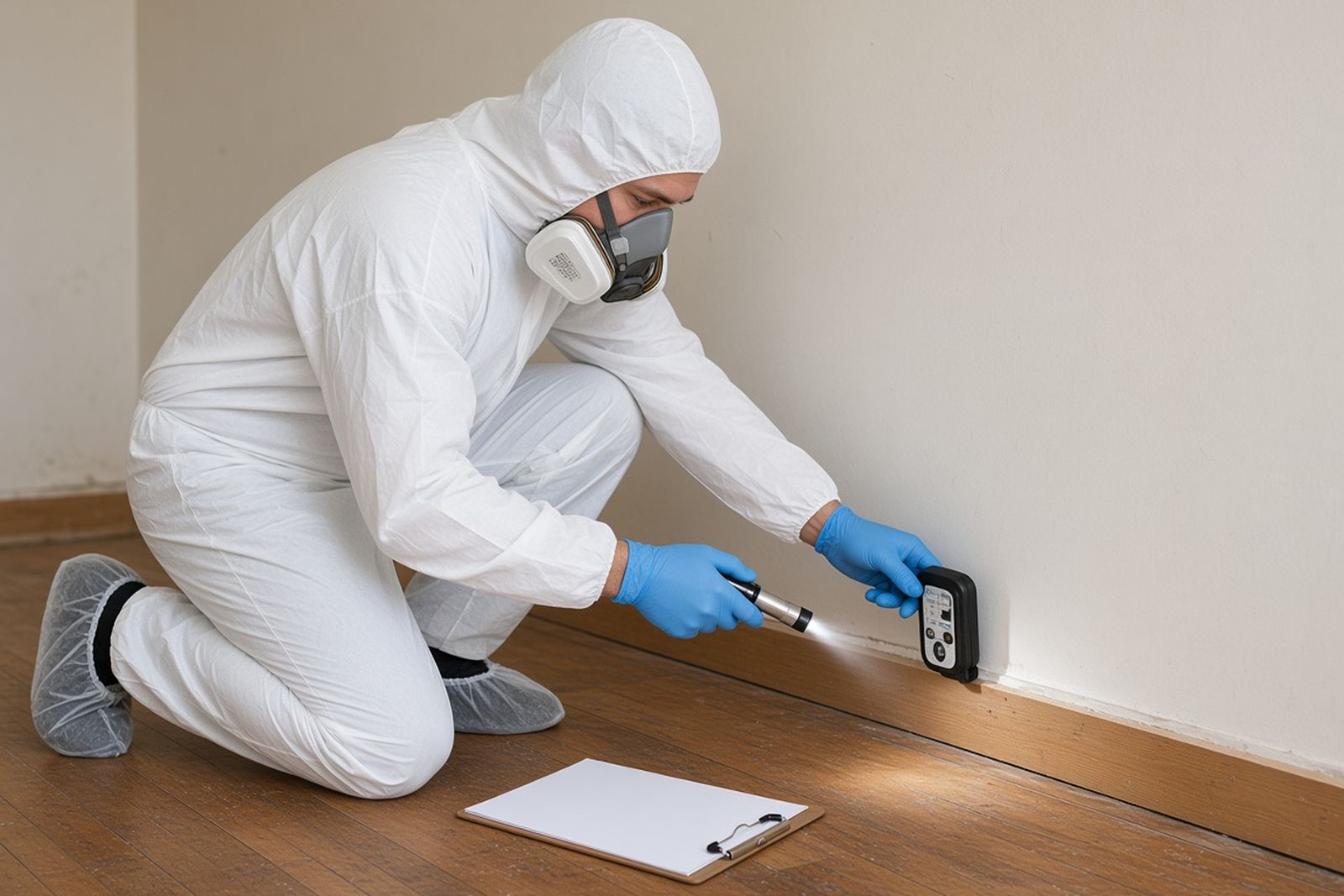
Technician in coveralls and a half-face respirator checking a baseboard with a flashlight and moisture meter
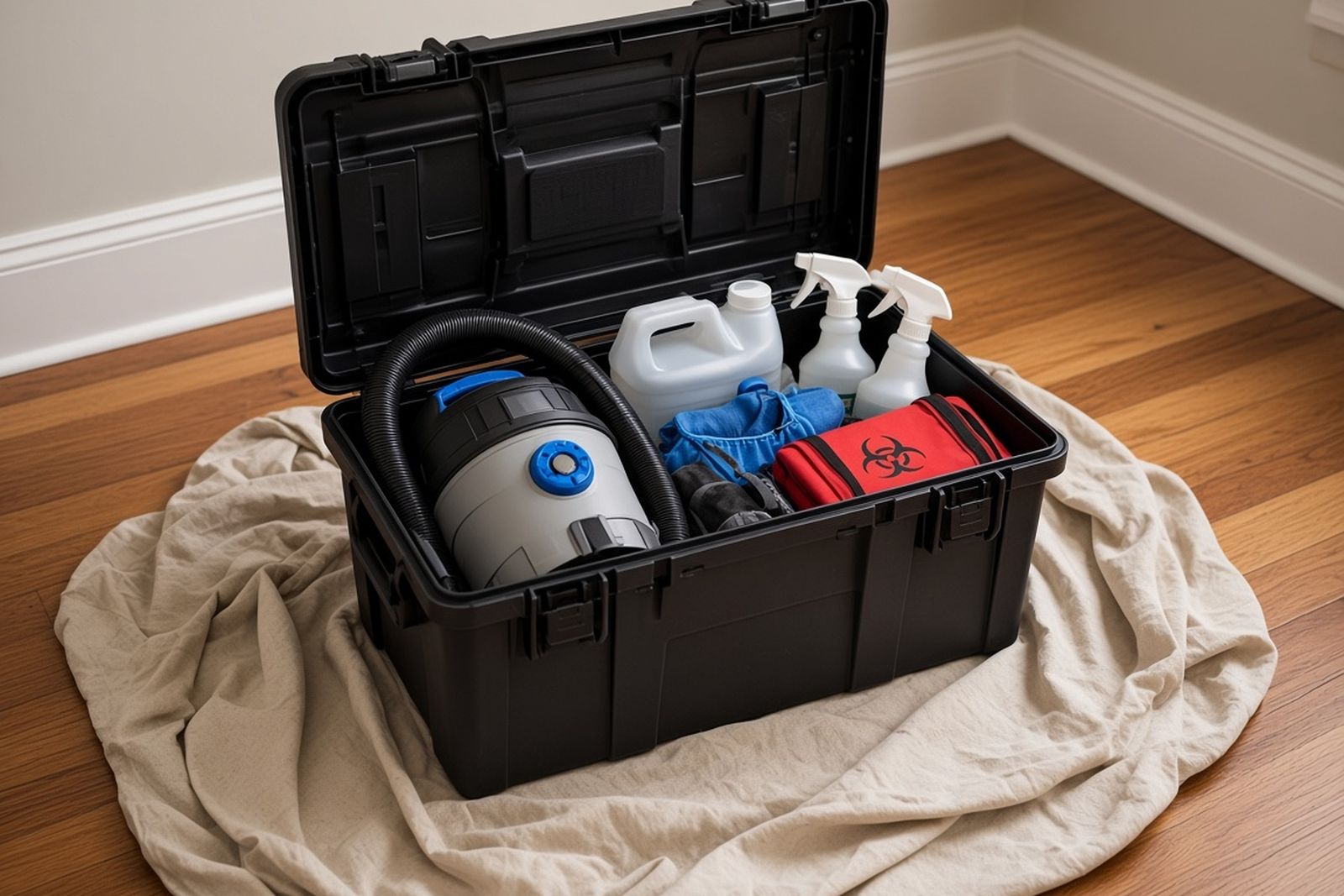
Open equipment case on a drop cloth holding a HEPA vacuum, disinfectant jugs, spray bottles and red biohazard bags

Facts worth knowing

  • Some insured flood victims in a study published in 2022 said their premiums went up a lot after they made a claim.

    Why it matters: Before you file, you may want to ask your insurer or agent how a claim could affect what you pay later.

    Source: McKenzie et al., 2022

  • Ohio's Crime Victims Compensation Program pays back no more than $750 per claim for crime scene cleanup, under its fiscal year 2024 rules.

    Why it matters: This may not cover the full bill, so ask your insurer and the cleanup company about the rest before work starts.

    Source: Ohio Attorney General, 2024

  • Flooded residents in New Brunswick focus groups said the paperwork for insurance and government compensation was confusing.

    Why it matters: Expect the forms to take effort, and ask your adjuster or a local aid office to walk you through them.

    Source: Woodhall-Melnik et al., 2019

Tools that help right now

What would you do?

Poll results

Vote to see how other people answered. You can change your answer at any time.

Your experience

What was the hardest thing to figure out in the first day after the scene was released?

Be the first to vote
General

Which type of incident brought you to this topic?

Be the first to vote

Need help in Naples?

Send a short message about the property to the follow-up inbox. A coordinator can reply by email with next steps.

Your request is sent to the follow-up inbox. A coordinator can reply by email.

If anyone is hurt or in danger, call 911 first.