Crime Scene Cleanup field guides
Longer guides for specific places and situations.
Pick the guide that matches your situation, such as a rental, a workplace, a school or a vehicle. Each one walks you through what to do, who decides what, and which records to keep for crime scene cleanup.
Get an email reply about crime scene cleanup
Send a short message to the follow-up inbox. A coordinator can reply by email. This form does not send emergency help; call 911 first if anyone is in danger.
Updated 2026-08-02
Crime Scene Cleanup: Fleet and Vehicle Guide
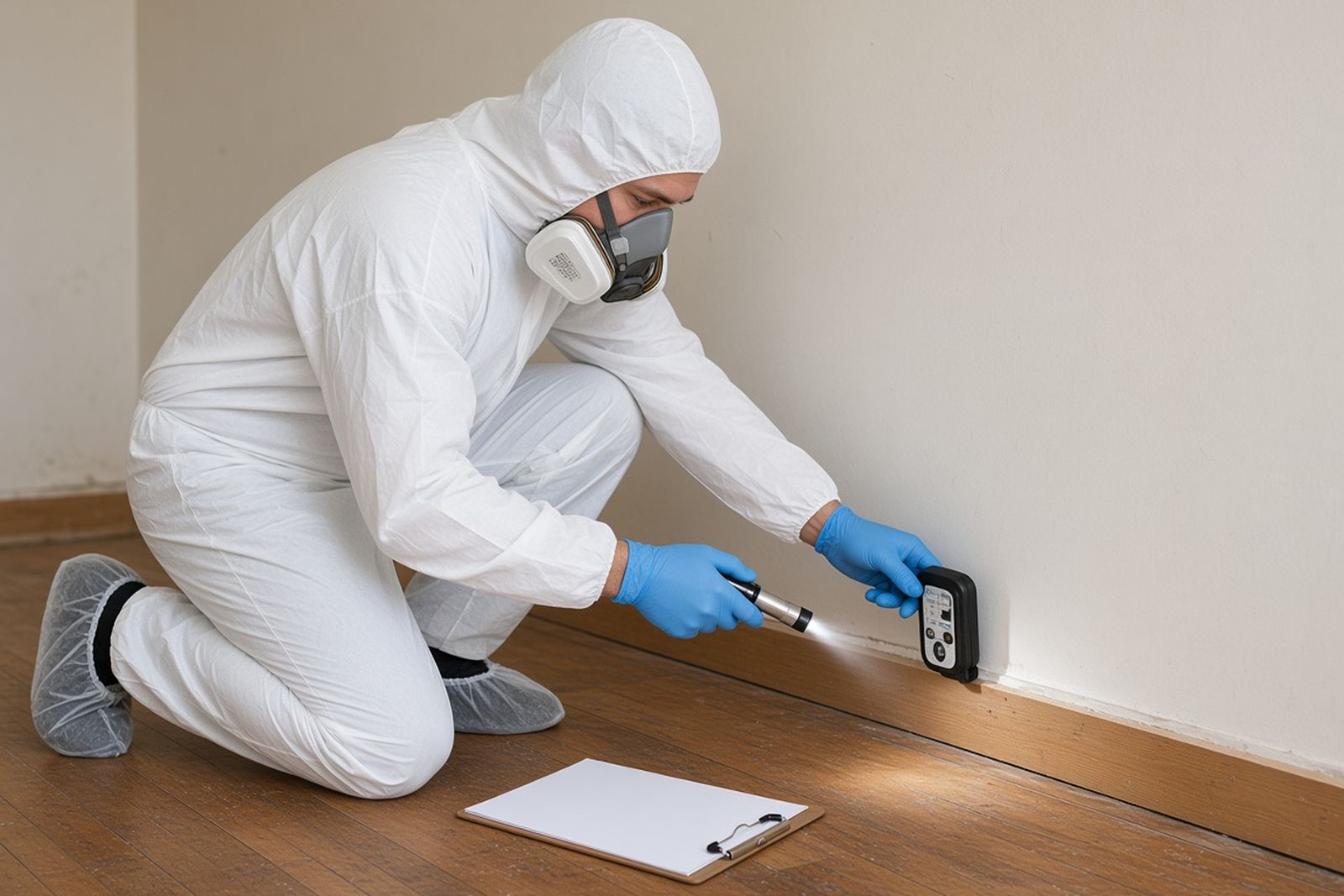
Keep a fleet vehicle tied to a crime scene locked and unused until the agency in charge releases that exact vehicle, cargo, keys, records, and belongings. After release, record who holds it and how it looked before cleanup. Map where fluid spread, what people touched, the air system, the trunk or cargo area, and the paths of responders, tow crews, and storage. Each part is judged on its own: seat covers, foam, seat belts, trim, wiring, electronics, controls, floor layers, and hidden spaces. Your drivers and mechanics should not do biohazard work unless assigned. Cleanup, mechanical safety, insurance, evidence status, and return to work are separate approvals with traceable handoffs.
Read the field guide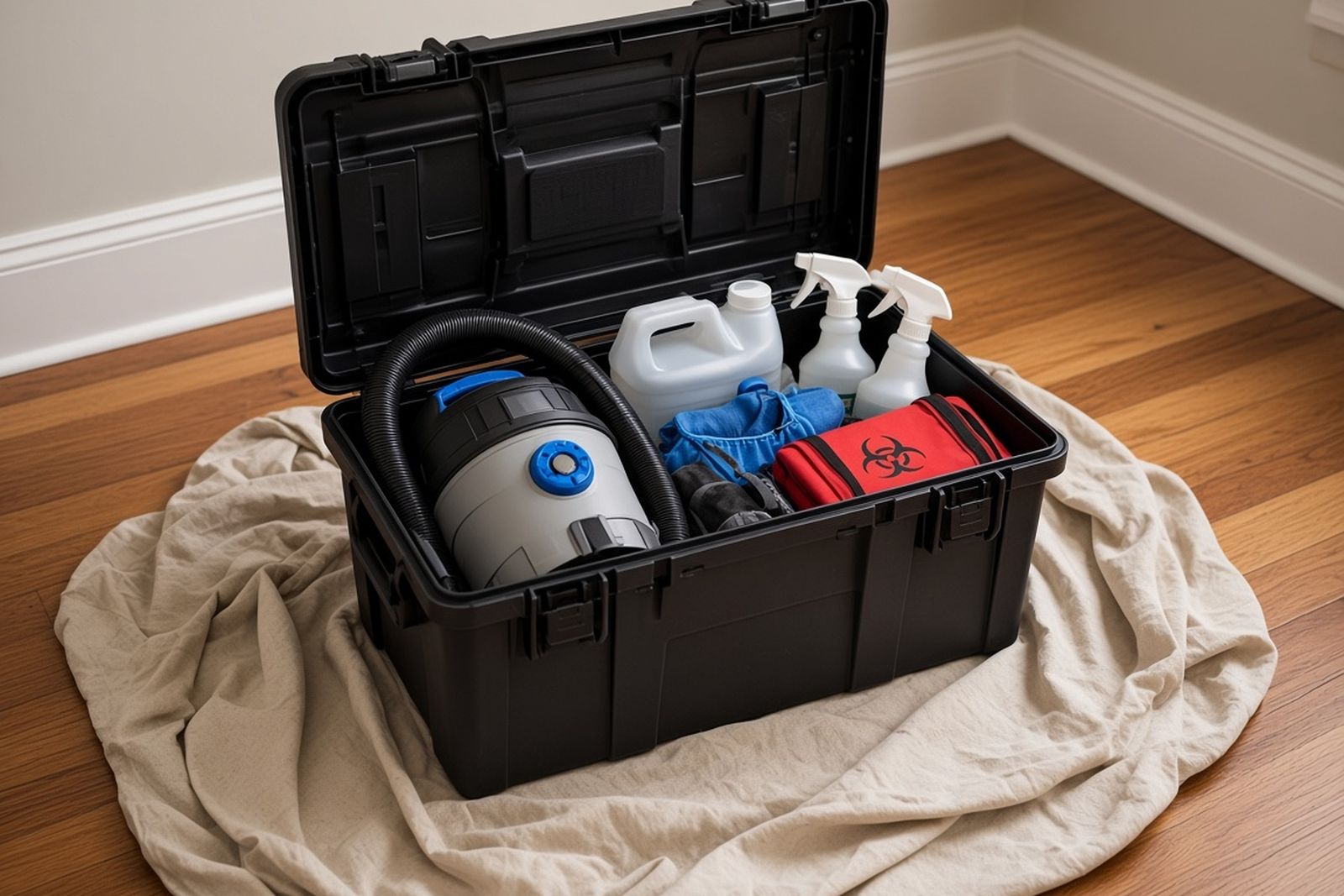
Updated 2026-08-02
Crime Scene Cleanup: School and Childcare Guide
Police and responders control a crime scene at your school or child care site while you keep children cared for. Keep students, families, and unassigned staff outside the taped area, and use your usual plans for leaving, sheltering, reunion, attendance, and disability help. Write down exactly what police released, then map how students, responders, staff, buses, gear, food, linens, trash, air, and drains moved. Check each surface kids touch and each play item one by one, and protect records and personal items. Plan worker safety, cleanup, repairs, and parent notes together. Reopen only after school, building, and safety leaders each sign off in writing, not on the cleanup company's word.
Read the field guide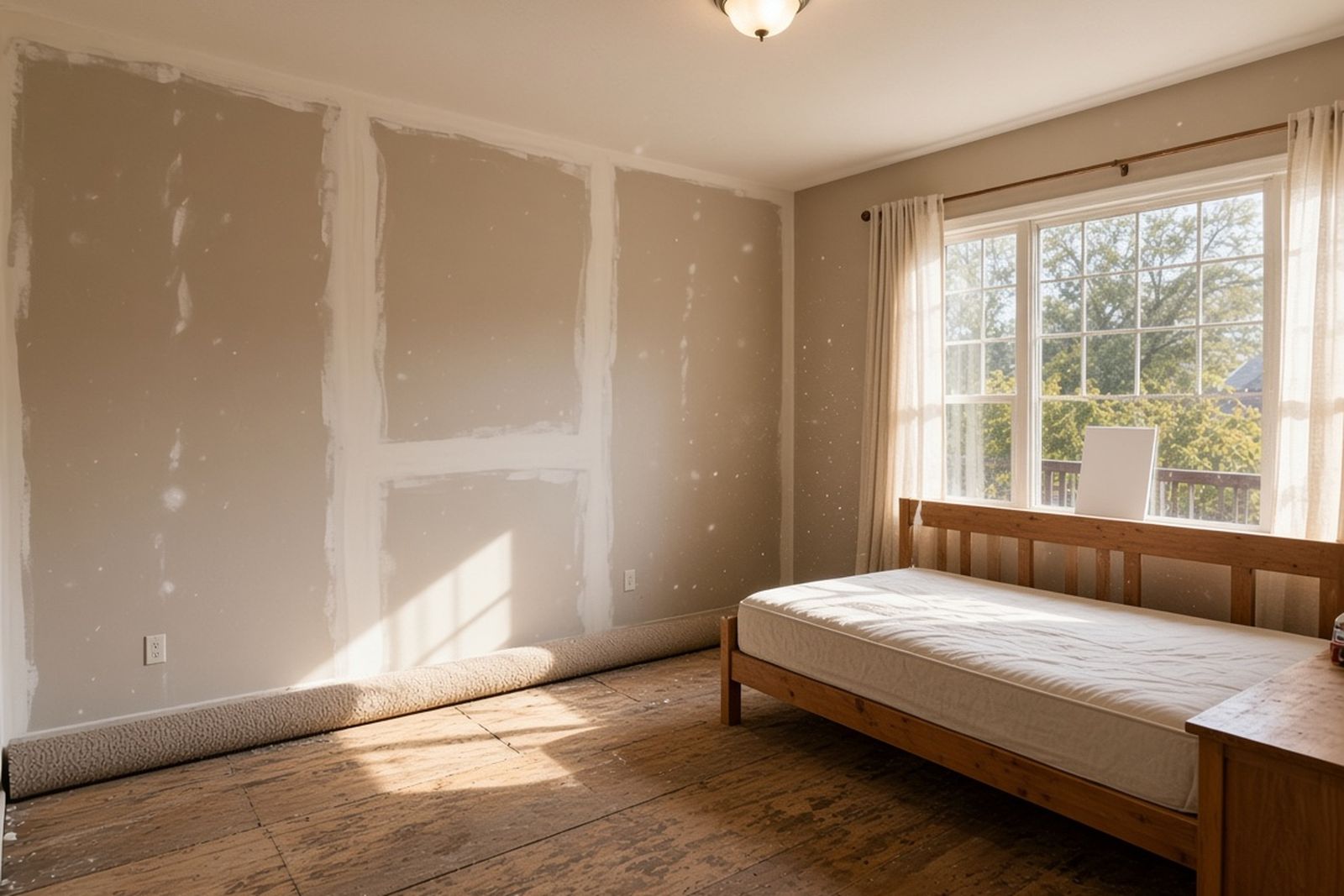
Updated 2026-08-02
Crime Scene Cleanup: Assisted-Living Guide
When a crime scene happens in your assisted-living home, officials control the scene while you keep residents cared for. First, move affected residents to a safe place with their medicines, walkers, meals, and records, keep staff with them, and protect their privacy. Keep staff and family out until officials release the exact area. After release, map where residents, responders, staff, gear, linen, waste, air, and drains went, and keep evidence and personal items apart from the home's property. Then you plan worker safety, cleanup, repairs, and updates. Residents go back only after your home gives written approval, because a contractor's bill or the police leaving is not enough.
Read the field guide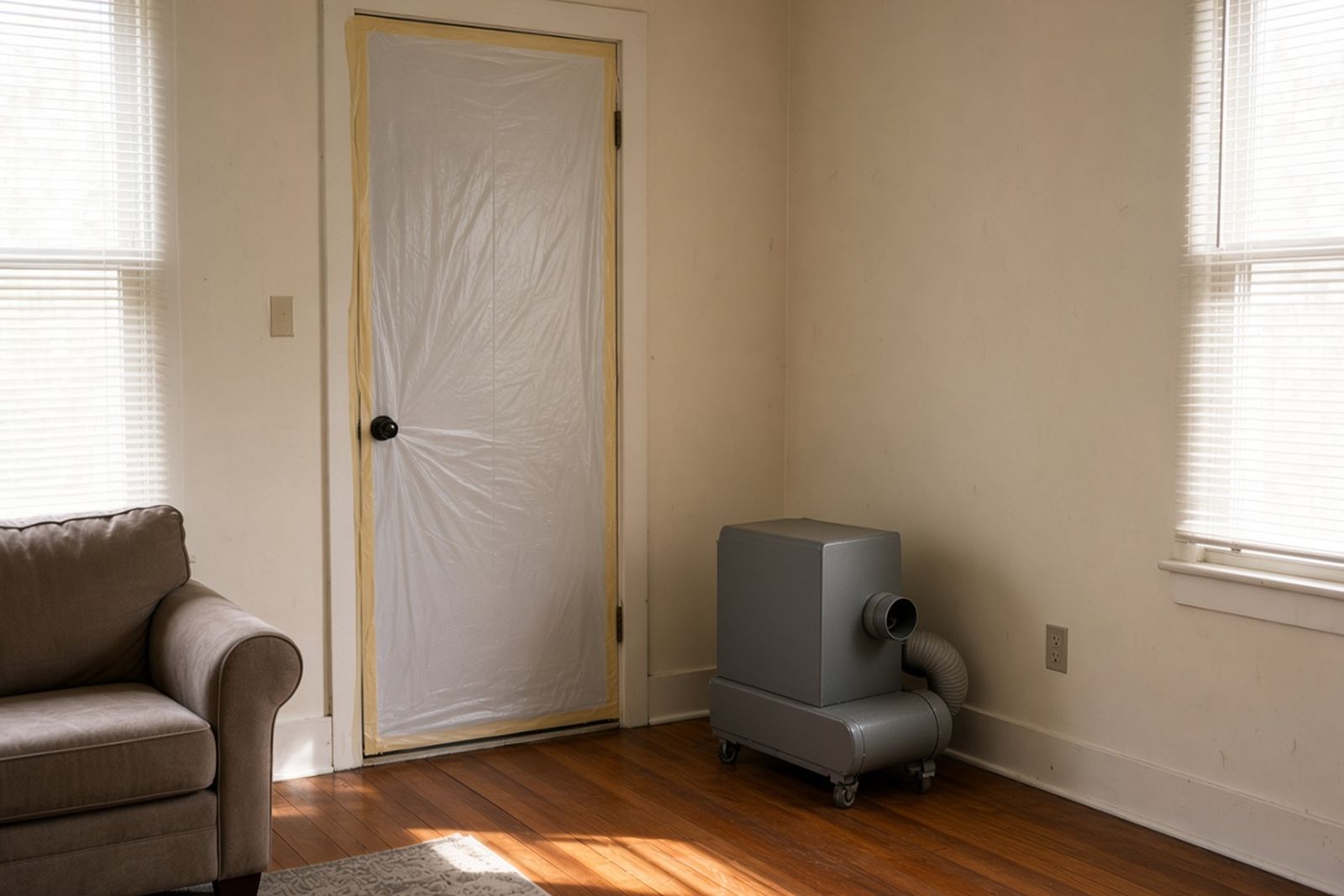
Updated 2026-08-02
Crime Scene Cleanup: Healthcare Facility Guide
When a crime scene happens in your hospital, clinic, surgery center, mental health unit, or other care site, you face two handoffs. The police or other officials release the scene, but your site still owns patients, staff, care, privacy, germ control, utilities, and room readiness. Once you have a clear release, keep any evidence limits in place. Then map how staff, patients, responders, gear, linen, drugs, waste, air, and water move. Infection control, worker safety, facilities, care leaders, security, and the cleanup lead each sign off on their own part of the plan. A cleanup company’s final report alone does not return a care room to use.
Read the field guideUpdated 2026-08-02
Crime Scene Cleanup: Warehouse and Industrial Facility Guide
A crime scene in your warehouse or plant needs more than closing one room. Police and emergency responders come first. After police release an exact area, split your site into zones for closed areas, controlled travel, checking, and normal work. Freeze any machines and stock that matter, and map how workers, responders, forklifts, and dock traffic moved, along with drains and air flow. Give worker safety, property, evidence, cleanup, and keeping the business running each its own owner. Reopen one zone at a time, in writing, once materials, equipment, utilities, trash, repairs, travel routes, and shift handoffs each have an owner and proof of what was done.
Read the field guideUpdated 2026-08-01
Crime Scene Cleanup: Hotel and Guest-Room Guide
Treat a crime scene in your hotel as a police-controlled room and a hotel-wide job. Call emergency services right away for any danger, and save key card and access records. Keep staff and vendors out until police release the room, the guest’s things, and any needed shared areas. After release, name the property signer and map the room, connecting doors, hallways, elevators, laundry, carts, air ducts, plumbing, belongings, and responder routes. Hire a trained cleanup company with a written plan for each material, and protect guest privacy by sharing little. Rent the room only after cleanup proof, building systems, repairs, security, housekeeping, and manager sign-off are each written down.
Read the field guideUpdated 2026-08-01
Crime Scene Cleanup: Rental Turnover Guide
Do not move a rental straight from official release to make-ready work. First write down the exact area released, and keep your building control apart from tenant or estate rights to belongings. Keep maintenance and leasing staff out. Check affected rooms, soft, absorbent materials, responder paths, shared systems, belongings, and common halls. Use a written cleanup scope covering worker safety, product labels, waste, custody of belongings, checks, and sign-off before repairs cover bare surfaces. Insurance, lease responsibility, deposits, disclosure, fitness to live in, and future leasing are legal or contract matters the cleanup company cannot decide. Rent again only once cleanup, rebuilding, systems, security, and management approval are on record.
Read the field guideUpdated 2026-08-02
Crime Scene Cleanup: Office and Workplace Guide
A workplace crime scene brings separate choices for the emergency and police, the employer, the property, worker support, and cleanup. Call emergency services right away for any danger, and save access, security, and incident records. Keep workers and vendors outside the closed area until police or other officials release it. After release, map affected materials and worker and responder routes, with shared air and plumbing systems, tools, desks, vehicles, shared areas, and personal things. Use a cleanup plan you have reviewed, with worker safety controls and a written record of finished work. HR messages, leave, workers’ comp, legal records, business continuity, repairs, and return to work stay separate jobs.
Read the field guideUpdated 2026-08-01
Crime Scene Cleanup: How to Review a Written Scope
A good written plan for crime scene cleanup, often called a work plan, ties each step to damage someone saw. It names the exact rooms and materials, keeps cleanup apart from rebuilding, and says what proof shows the job is done. Review the boundaries, who may enter, worker protection, what is cleaned or removed, product labels, waste, and your belongings. Look at final checks, exclusions, price units, and who approves changes. Do not approve a promise like "complete sanitation" unless it says how each material is handled and how you judge the result. Unknowns can stay open if the contract explains how they will be checked, priced, approved, and written down.
Read the field guideUpdated 2026-08-01
Crime Scene Cleanup: Emergency Response Versus Remediation
Emergency response and cleanup solve different problems, so you handle them in order. Call 911 for any immediate threat to life, fire, violence, or active hazard. While they are in charge, follow the directions of police, fire, EMS, the medical examiner or coroner, and health, utility, or building officials. A cleanup company should enter only after the affected area is released and the owner allows it. Its job is then to check the property, control exposure during work, handle affected materials, manage waste, and record the agreed finish line. Security, plumbing, electrical work, structural repair, mental health support, and rebuilding stay separate jobs unless your contract includes them.
Read the field guideUpdated 2026-08-01
Crime Scene Cleanup: Remediation Versus Reconstruction
Cleanup and rebuilding each have their own finish line. Cleanup finds the affected materials, keeps people safe from exposure during the work, removes or cleans those materials, handles the waste, and records what is left. Rebuilding replaces what was taken out, restores looks and use, meets building codes, or makes the space livable again. One company may do both, but you should keep the scopes, prices, approvals, insurance, records, and sign-offs separate. Do not let new drywall, floors, paint, or cabinets cover an affected area until the cleanup boundary and final cleanup record are written down. A room that looks finished is not proof the biohazard work was done.
Read the field guideUpdated 2026-08-01
Crime Scene Cleanup: Documented Completion Plan
A cleanup is finished when the final report answers the questions set in the work plan you approved. Before work starts, agree on what proof you will accept. The report should show the final work area, what was removed and kept, methods, products, label directions, access, and changes. Where it applies, it shows waste handling, plus inspection or targeted checks, photos, open problems, and who is responsible next. A finished job does not mean your home is sterile or free of every hidden or future risk. Save that proof before rebuilding covers walls and floors, and get a clear statement of scope, findings, actions, limits, and what stays off limits.
Read the field guideUpdated 2026-08-01
Crime Scene Cleanup: Qualified Provider Checklist
Judge a cleanup company by its work plan and the proof it can give you. A badge, a flashy truck, or a claim of being certified is not enough alone. Before you sign, confirm the scene has been released and find out who has the right to sign the contract. Ask for a written work plan made for this site, ask how the company protects its workers, and check the insurance yourself. Follow the waste to a proper place, and agree on what "finished" means. Licensing and waste rules vary by state and by material, so the company must tell you which rules really apply to your home and this job.
Read the field guideHow to use these guides
The guides in this section walk through the choices that come up after police release a crime scene. They run from the first phone call to the final report. They cover questions like these. Can a surface be cleaned, or must it be removed? How do you tell police residue from body fluids? What should you ask before signing a work agreement? How should you sort photos and papers for an insurer or an estate? Each guide is written for the person who has to decide. That may be a homeowner, a landlord, a property manager, or a family member acting for someone else. None of them replace an on-site review. But they should leave you better able to understand one.
Along with the text, you will usually find a decision table and a checklist tied to the release timeline. Read a decision table one row at a time. The left column names a situation. The middle columns describe what you are likely to see. The right column points to a sensible next step. If your case matches more than one row, follow the more cautious option. Work through checklists in order. Each item is worded so you can mark it done, not done, or does not apply. Where a step depends on state or county rules, the guide says so. It tells you which office to ask instead of making up an answer. Keep a copy of your finished checklist with your property file.
Facts worth knowing
California's victim compensation program pays back up to $1,709 per claim for crime scene cleanup, for applications filed on or after July 1, 2022.
Why it matters: If you are an eligible victim in California, keep your cleanup invoice and ask about filing a claim; other states pay different amounts.
Flooded residents in New Brunswick focus groups said the paperwork for insurance and government compensation was confusing.
Why it matters: Expect the forms to take effort, and ask your adjuster or a local aid office to walk you through them.
In a study published in 2022, 18% of 521 insured people whose homes flooded said they had an insurance dispute or a denied claim.
Why it matters: Claim disputes do happen, so keep your photos, receipts and every letter or email from your insurer.
Questions about these field guides
Which guide should I read first after a violent incident at my property?
Start with the guide on the first hours after the scene is released. It explains what to leave alone, what to photograph, and who to tell before any cleanup begins. Next, move to the guide on choosing a company. The guides on materials and insurance make more sense once you know what the scene involves and who will do the work.
Are the guides written for professionals or for property owners?
They are written for property owners, family members, and managers who need to make informed choices. They are not written for workers. The wording avoids trade terms where it can, and it explains terms when it cannot. Pros may still find the checklists useful for explaining their process to clients. But the guides assume you have never dealt with a trauma scene before.
How do the guides handle differences between states?
Each guide flags the points where rules differ. Examples are waste hauling permits, worker registration, and building permits for tearing out materials. The guides do not list every state. Instead, they tell you which type of agency to contact and what to ask. That approach stays correct as rules change. It also keeps you from relying on a summary that may not match your county.
Can I use a checklist from these guides during a company's walkthrough?
Yes, and that is one of the best uses for it. Bring the checklist, ask each question as it comes up, and note the answers next to the items. A company who welcomes that kind of structured conversation is usually one that documents its own work well. If a question makes the company uncomfortable or vague, that is worth noticing before you sign anything.
What should I do if my situation does not fit any row in a decision table?
Treat the table as a starting point, not a verdict. Note which rows come closest, choose the more cautious path between them, and raise the mismatch with the company during assessment. Tables are built around common patterns, and unusual scenes happen. The guide text around each table usually explains the reasoning, which helps you adapt it to a case the authors did not anticipate.
Can I print the guides to use during a walkthrough?
Yes. The guides are designed to work on paper as well as on a screen. Printing the checklist and decision table lets you take notes during a company's walkthrough and compare answers later. Bring a pen, keep the printout with your other records and write the date and company name at the top of each page so you can tell your notes apart.
How often should I check back for changes to a guide?
Check again when you reach a new stage, such as moving from choosing a company to reading a final report. A different section may apply then. Practices and public advice can change over time, and local rules vary. Treat each guide as a starting point. Confirm current rules with the right agency or company in your area before you rely on a specific step.
More on crime scene cleanup
Crime Scene Cleanup services
See what crime scene cleanup covers, from blood and police residue to tear gas and cars, and what the work does not include.
Costs explained
What drives the price, published cost ranges, and how to read a written quote line by line.
Insurance and payment
Which policies may respond, how to document a claim, and what to do if coverage is denied.
Planning tools
Planners, checklists, and guides you can click through for the days after police release a crime scene, each built for this situation.
Community polls
See what other readers think about the choices people face after a crime at their property, from picking a company to what surprised them most.
Knowledge quiz
Test what you know about scene release, sealing off the area, disinfecting, waste, and checking the work, with a short quiz and a plain study guide.
Articles and resources
Read about common kinds of crime scenes, like a break-in where someone got hurt, tear gas left after a standoff, or the mess from a police search. Written for owners.
City guides
Find local facts and reach companies by area, with reminders that license and disposal rules vary by state and county.