Crime Scene Cleanup articles and resources
Clear answers on cost, insurance, safety and choosing a company.
Read about common kinds of crime scenes, like a break-in where someone got hurt, tear gas left after a standoff, or the mess from a police search. Written for owners.
Get an email reply about crime scene cleanup
Send a short message to the follow-up inbox. A coordinator can reply by email. This form does not send emergency help; call 911 first if anyone is in danger.
Browse crime scene cleanup articles

Plain answers about crime scene cleanup: what to do first, how to stay safe, what it costs, and what to expect from a cleanup company.
What to Expect During Professional Crime Scene Cleanup
A step-by-step look at professional crime scene cleanup. Follow the job from the police release and first visit to the work itself, waste di...
The Science Behind Crime Scene Cleanup
How blood, germs, absorbent materials and police residue shape crime scene cleanup. Learn why crews clean, disinfect and check their work in...
How Long Does Crime Scene Cleanup Take?
What decides how long your crime scene cleanup will take. The police release, the materials, fingerprint powder, odor, waste pickup and late...
How to Evaluate Equipment Proposed for Crime Scene Cleanup
How to judge the gear listed in a crime scene cleanup offer. Look at protective gear, disinfectants, air filters, tools for police residue a...
DIY vs Professional Crime Scene Cleanup: The Critical Differences
Where cleaning a crime scene yourself falls short: hidden blood, the risk of disease, chemical mistakes, waste rules, missing paperwork and ...
10 Crime Scene Cleanup Safety Risks to Assess Before Work Begins
Ten hazards to check before anyone starts crime scene cleanup at your property. They are germs in blood, sharp objects, hidden blood, chemic...
OSHA Regulations and Crime Scene Cleanup
Which OSHA rules shape crime scene cleanup, and who has to follow them. Learn how you can check that a crew's training, protective gear and ...
PPE Planning for Crime Scene Cleanup: Start With the Hazard Assessment
Why a cleanup crew's protective gear starts with a written look at the hazards, and how crews match gloves, suits, eye and lung protection t...
What Drives Crime Scene Cleanup Cost?
What raises or lowers your bill for crime scene cleanup: how far the mess spread, what soaked it up, police residue, after-hours calls and w...
Does Homeowners Insurance Cover Crime Scene Cleanup?
How a homeowners policy treats cleanup after a burglary, assault or break-in at your home. Learn what adjusters ask for and where victim com...
How to Compare Low and High Crime Scene Cleanup Bids
How to compare low and high crime scene cleanup bids line by line. Learn to spot missing work and choose the quote that makes your property ...
Which Federal, State, and Local Rules Apply to Crime Scene Cleanup?
A plain map of the federal, state and local rules behind crime scene cleanup, from OSHA and DOT to state waste programs, and how to check wh...
How to Research Waste Rules for Crime Scene Cleanup
A step-by-step way to look up the waste rules behind crime scene cleanup. Learn which agencies to check, which records to ask for and what t...
10 Questions to Ask Before Hiring a Crime Scene Cleanup Company
Ten plain questions to ask a crime scene cleanup company before you sign. They cover training, the written work plan, police residue, waste ...
Red Flags When Hiring Crime Scene Cleanup Services
Warning signs when you hire crime scene cleanup: companies that show up uninvited, fake police ties, promised payments and vague plans for f...
Training, Documentation, and Credentials for Crime Scene Cleanup
Which training records, OSHA documents and registrations really matter when you hire crime scene cleanup, and how to check them without bein...
Managing Stress and Disruption During Crime Scene Cleanup
Practical ways to cope with the stress, fear and upheaval of crime scene cleanup, from staying somewhere else and helping kids to feeling sa...
How Crime Scene Cleanup Practice Has Changed
How crime scene cleanup grew from families scrubbing floors into careful, recorded work shaped by OSHA rules, EPA disinfectant lists and vic...
The Difference Between Cleaning and Disinfection in Crime Scene Cleanup
Why crime scene cleanup needs both cleaning and disinfection, in that order. See how fingerprint powder, dried blood and soft materials chan...
Crime Scene Cleanup for Property Managers: What You Need to Know
What you need to do as a property manager after a crime. Wait for the police release, protect tenants and neighbors, get a written work plan...
When ATP Testing Helps—and When It Does Not—in Crime Scene Cleanup
What a quick swab test can and cannot tell you after blood is cleaned from a crime scene, how readings are taken, and why they never replace...
Crime Scene Cleanup Planning Example: Building a Defensible Scope
A fictional crime scene, followed from police release to the final report. See how each line of a cleanup work plan is explained, priced and...
Urgent Crime Scene Cleanup: What to Do Before a Provider Arrives
What to do in the first hours after a crime at your home or business, before a cleanup crew arrives. Stay safe, wait for police, keep people...
Commercial vs Residential Crime Scene Cleanup
How crime scene cleanup differs in a home and in a store, office, hotel or restaurant. Who signs, what staff need, when you can reopen and w...
Environmental Responsibility in Crime Scene Cleanup
How a crime scene cleanup can protect both people and nature. A good crew removes only what it must, sorts waste, uses chemicals with care a...
How to Evaluate Technology Used in Crime Scene Cleanup
A plain way to judge the sprayers, UV lights, air machines and digital reports a cleanup company may offer you. Learn when a tool helps and ...
Mental Health Resources During Crime Scene Cleanup
Where to find emotional support while your home or business is cleaned after a crime. Options include victim advocates, counseling, 988, and...
When Enzymes or Microbial Products Fit Crime Scene Cleanup
Where enzyme and microbial cleaners really help at a crime scene, where they do not, and how they fit safely with EPA-registered disinfectan...
How to Compare Local and National Crime Scene Cleanup Providers
How to compare a local crime scene cleanup company with a national brand or a call center. Find out who really shows up, who knows local rul...
Questions about crime scene cleanup?
If the articles did not answer your question, send a short message and a coordinator will reply by email.
Your request is sent to the follow-up inbox. A coordinator can reply by email.
If anyone is hurt or in danger, call 911 first.
Facts worth knowing
Ohio's Crime Victims Compensation Program pays back no more than $750 per claim for crime scene cleanup, under its fiscal year 2024 rules.
Why it matters: This may not cover the full bill, so ask your insurer and the cleanup company about the rest before work starts.
Some insured flood victims in a study published in 2022 said their premiums went up a lot after they made a claim.
Why it matters: Before you file, you may want to ask your insurer or agent how a claim could affect what you pay later.
Crime scene and after-death cleanup is usually billed at $400 to $600 per hour, according to a 2025 cost guide from Fixr.
Why it matters: Local prices vary widely, so ask for a written estimate with the hourly rate and expected hours before you agree.
Questions about the articles
Where should I start if a crime just happened at my property?
Begin with the article on what to do first after an urgent crime scene. It focuses on safety, the police release, and keeping the area closed. From there, read the articles on what to expect during professional cleanup and on questions to ask before hiring. Save cost, insurance, and deeper science topics for later. Wait until the first steps are under control and you have a moment to breathe.
Where do I find reading on police release, fingerprint powder or an insurance claim?
The library is split into groups. They are process and what to expect, safety, costs and insurance, choosing a company, rules, health and wellness, education, and industry insights. Each group's page collects its articles along with common questions on that topic. Pick the group closest to your current worry. For example, choose costs and insurance if a claim is pending. Then follow the links inside each article to related reading.
Once I have read about cleanup costs or vetting a company, which tool should I open next?
The reading explains why each choice matters. The tools let you apply that to your own property. After a cost article, the cost estimator can sketch a range. It takes into account surface types and police residue, such as fingerprint powder or tear gas. After reading about warning signs, the company vetting checklist helps you question companies. Many articles link straight to the matching tool.
Should I read the articles or the guides?
Use articles to understand a topic and guides when you need to work through a specific decision step by step. Articles tend to explain why things happen, such as why porous materials are removed. Guides tend to walk you through what to do next, with checklists and decision tables. Many readers start with an article and move to a guide when they are ready to act.
Are the example situations in the articles based on real cases?
No. The examples are made up to show how choices fit together without exposing real people. They reflect common patterns, but your case will have its own details. Use them to see what a good job plan, timeline, or talk might look like. Then ask a company how those ideas apply to the property you are responsible for.
What should I read if I am a landlord or property manager?
Start with the article written for property managers. Then read the ones on comparing bids, home insurance, and business versus home cleanup, since they touch on owner and tenant roles. The article on federal, state, and local rules helps you see who oversees what. Keep the rules and choosing-a-company groups handy for later questions.
Can I share these articles with family members or a tenant?
Yes. Many readers send an article to someone who is helping them or who is also affected. The articles avoid graphic detail and use plain language, so they suit most adults. If you are sharing with someone who is grieving or shaken, you might start with the health and wellness articles. Those focus on coping and support.
More on crime scene cleanup
Crime Scene Cleanup services
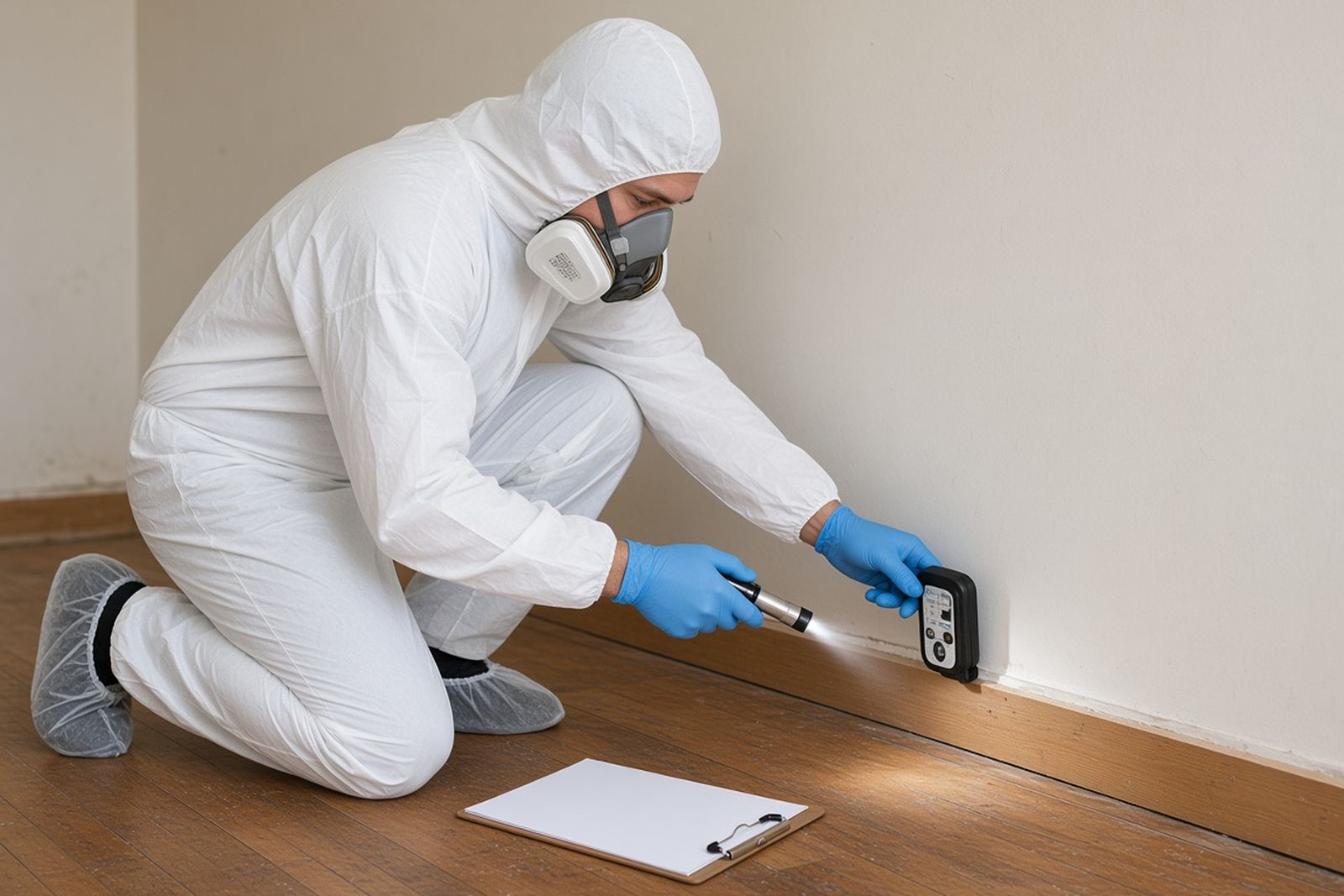
See what crime scene cleanup covers, from blood and police residue to tear gas and cars, and what the work does not include.
Costs explained
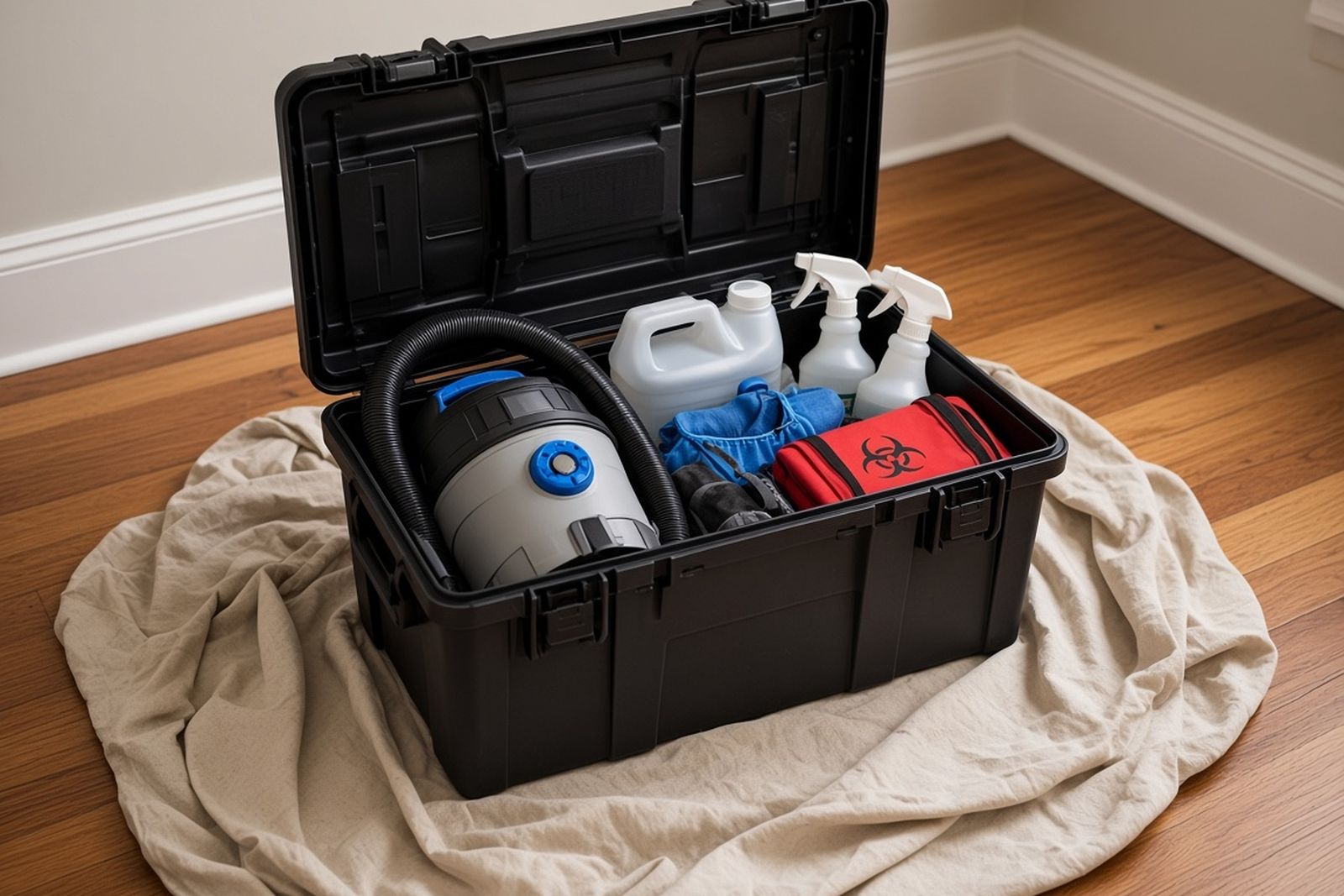
What drives the price, published cost ranges, and how to read a written quote line by line.
Insurance and payment
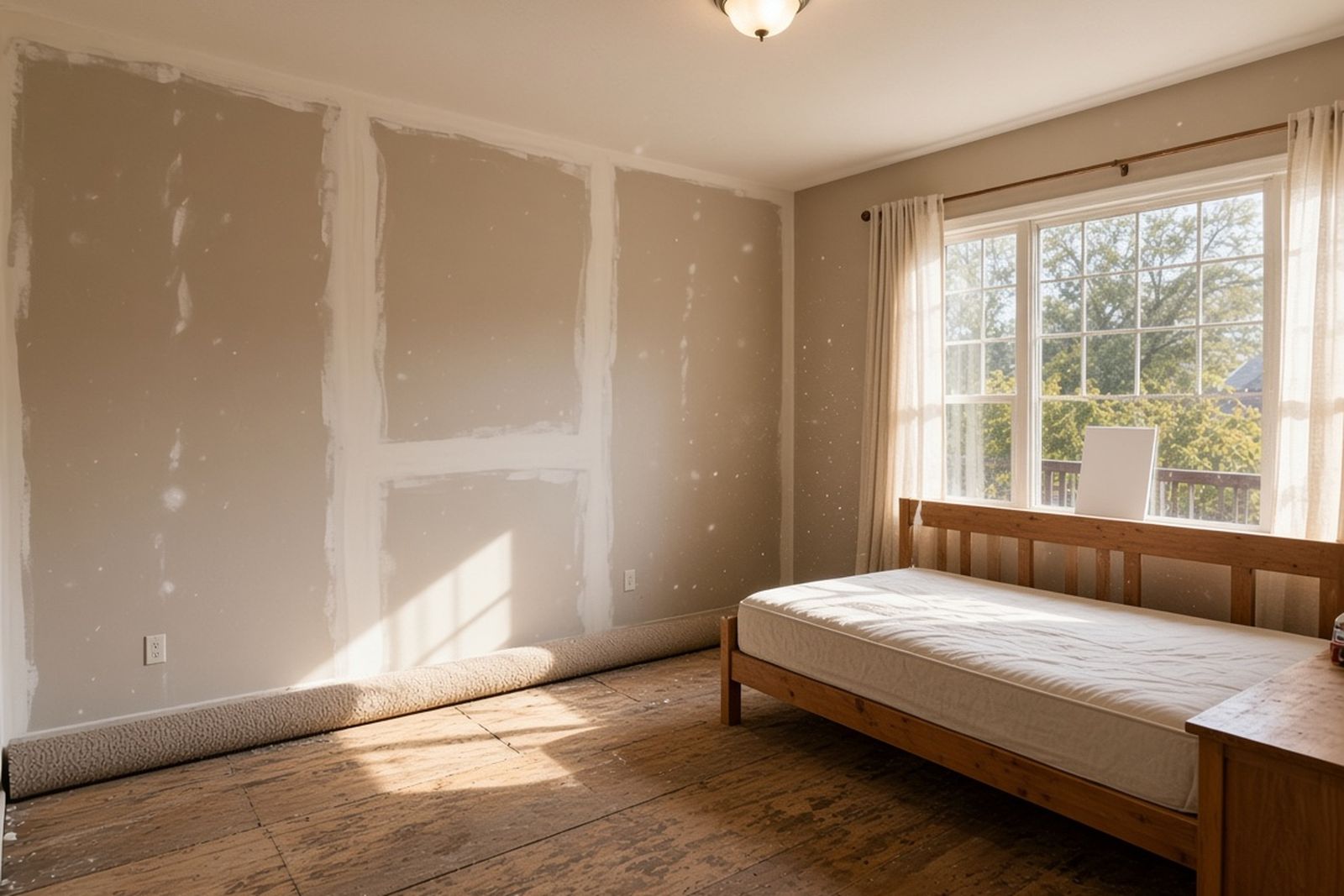
Which policies may respond, how to document a claim, and what to do if coverage is denied.
Planning tools
Planners, checklists, and guides you can click through for the days after police release a crime scene, each built for this situation.
Community polls
See what other readers think about the choices people face after a crime at their property, from picking a company to what surprised them most.
Knowledge quiz
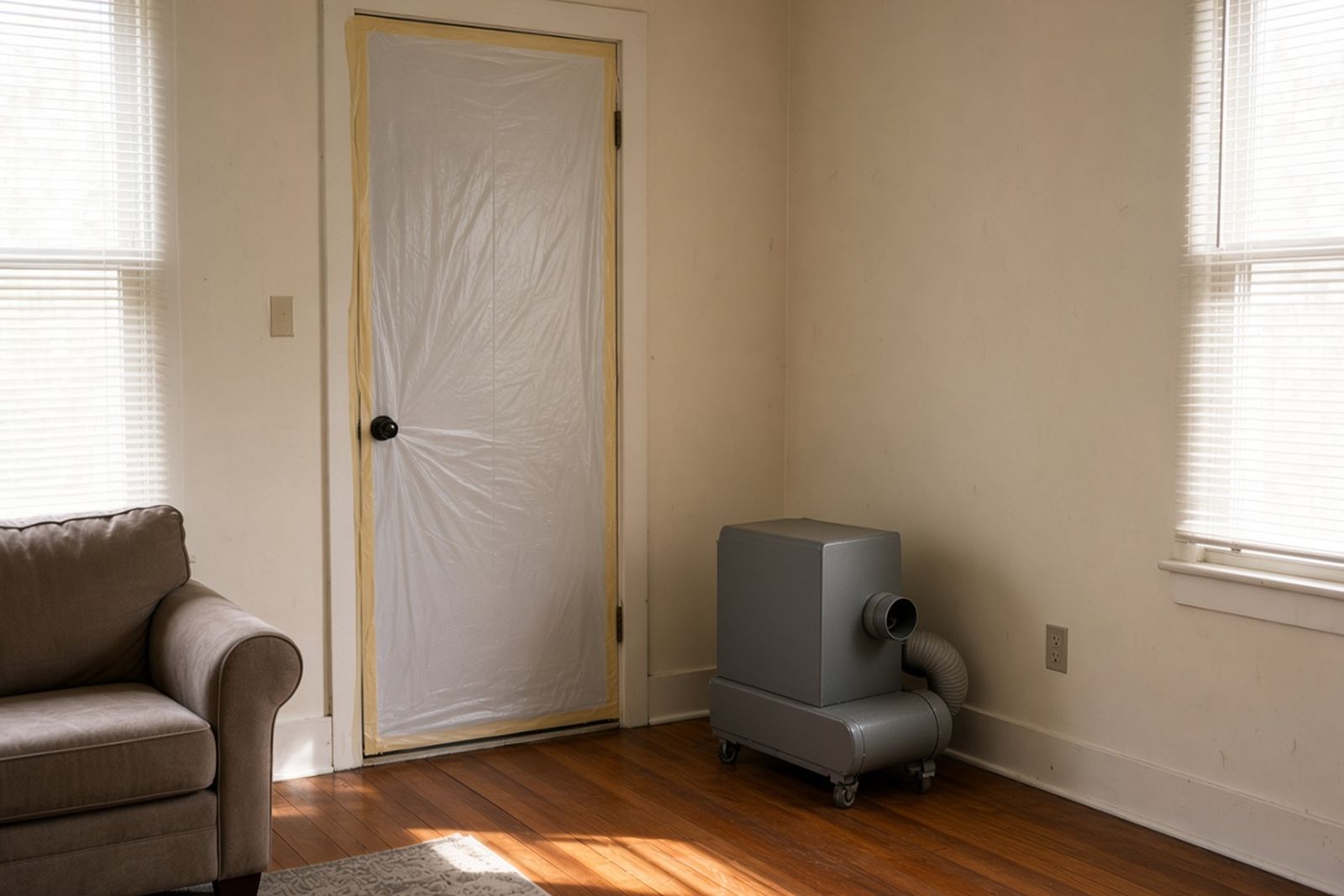
Test what you know about scene release, sealing off the area, disinfecting, waste, and checking the work, with a short quiz and a plain study guide.
Field guides
Longer step-by-step guides on confirming scene release, working with insurers, reading a cleanup job plan, and keeping people safe while work is underway.
City guides
Find local facts and reach companies by area, with reminders that license and disposal rules vary by state and county.