Does Insurance Cover Crime Scene Cleanup?
How property coverage, claims, and victim compensation fit together after a crime.
Insurance can sometimes help pay to clean a property after a violent crime. But coverage depends on the policy, the cause of the loss, and who holds the policy. This page walks through which types of coverage may apply and the exclusions that come up most. It explains how to document a claim. It also covers other sources of money that may be available.
Get an email reply about crime scene cleanup
Send a short message to the follow-up inbox. A coordinator can reply by email. This form does not send emergency help; call 911 first if anyone is in danger.
What published figures say about coverage and payment
- 40%
40% reported being financially affected very much or quite a lot (514 answers).
Read with care: Historical selected service referrals; item denominators vary; not all crime victims.
Source: Victim Support et al. (2005)545 postal responses from three English Victim Support areas; 21% response rate; staff research also included.
- 23.5%
23.5% reported high-level need for help with practical or administrative tasks.
Read with care: Pandemic-specific and self-selected; overlapping follow-up studies must not duplicate baseline findings.
Source: Harrop et al. (2021)711 UK adults bereaved March–December 2020; nonprobability recruitment.
- 5.3%
In 2023, 5.3% of insured U.S. homes had a claim, and the average homeowners claim severity was $20,062.
Read with care: Covers all peril types (wind, water, fire, liability); biohazard-specific claim data is not published.
Source: Insurance Information Institute (Triple-I) (2023)United States, homeowners insurance claims, 2023
- $400-$600 per hour
Professional crime scene and after-death cleanup is typically billed at $400 to $600 per hour, according to Fixr's 2025 cost guide.
Read with care: Fixr figures are editorial cost estimates compiled from contractor and industry data, not a statistical survey of completed jobs; local prices vary widely.
Source: Fixr (2025)United States, residential biohazard cleanup, estimates as of January 2025
- $1.95 billion
The federal Crime Victims Fund annual obligation cap was set at $1.95 billion for fiscal year 2026, up from $1.353 billion in FY2024.
Read with care: The Fund is financed by federal fines and penalties, not taxes; state allocations lag the cap.
Source: U.S. Department of Justice, Office for Victims of Crime (2026)United States, federal fiscal years 2024-2026
- 2.34
Insurance disputes were associated with depression (aOR 2.34; 95% CI 1.4–3.9).
Read with care: Observational and self-selected; negative-comment denominator is comments, not all insured people.
Source: McKenzie et al. (2022)521 insured, inundated-household respondents from a 2,530-person survey six months after flooding.
These figures are public research and agency data, not this network's own job records. Keep each number with its population, year and limits; none of them predicts cost, timing or outcome at a specific property.
Which insurance policies might respond after a crime scene?
For a private home, a homeowners policy is usually the first place to look. Many property policies cover sudden, accidental physical damage to the home. Some insurers treat contamination from a violent act as that kind of loss. A renters policy mostly covers personal belongings. It may help with contaminated furniture or clothing. The landlord's own policy covers the building itself. Whether any of these pay depends on the exact wording.
Businesses may turn to commercial property coverage. In some cases, business interruption coverage may help if the location must close during cleanup. If the incident happened in a vehicle, an auto policy with comprehensive coverage might pay for inside contamination. Employers whose workers were exposed or hurt may also use workers' compensation. That coverage is for the employee, not the building.
- Homeowners policies for the home and sometimes belongings
- Renters policies for a tenant's personal property
- Landlord or dwelling fire policies for rental buildings
- Commercial property and business interruption for businesses
- Auto comprehensive coverage for vehicle interiors
- Workers' compensation for employees hurt on the job
How often do homeowners file claims, and what does that tell you?
Claims are less common than many people think. The Insurance Information Institute (Triple-I) says that in 2023, about 5.3% of insured U.S. homes had a claim. That figure covers every kind of property loss, not just crime scene cleanup. Still, it reminds you that most people rarely go through the claim process. They may not know how it works when a crisis comes.
Since the process is new to most people, it helps to slow down and gather facts before you assume an answer. Call your agent or insurer. Describe what happened in plain terms. Ask them to explain which parts of your policy might apply. Ask for the answer in writing. Many people find coverage details they never noticed when they bought the policy. Some help, and some limit what is paid.
What exclusions commonly limit crime scene coverage?
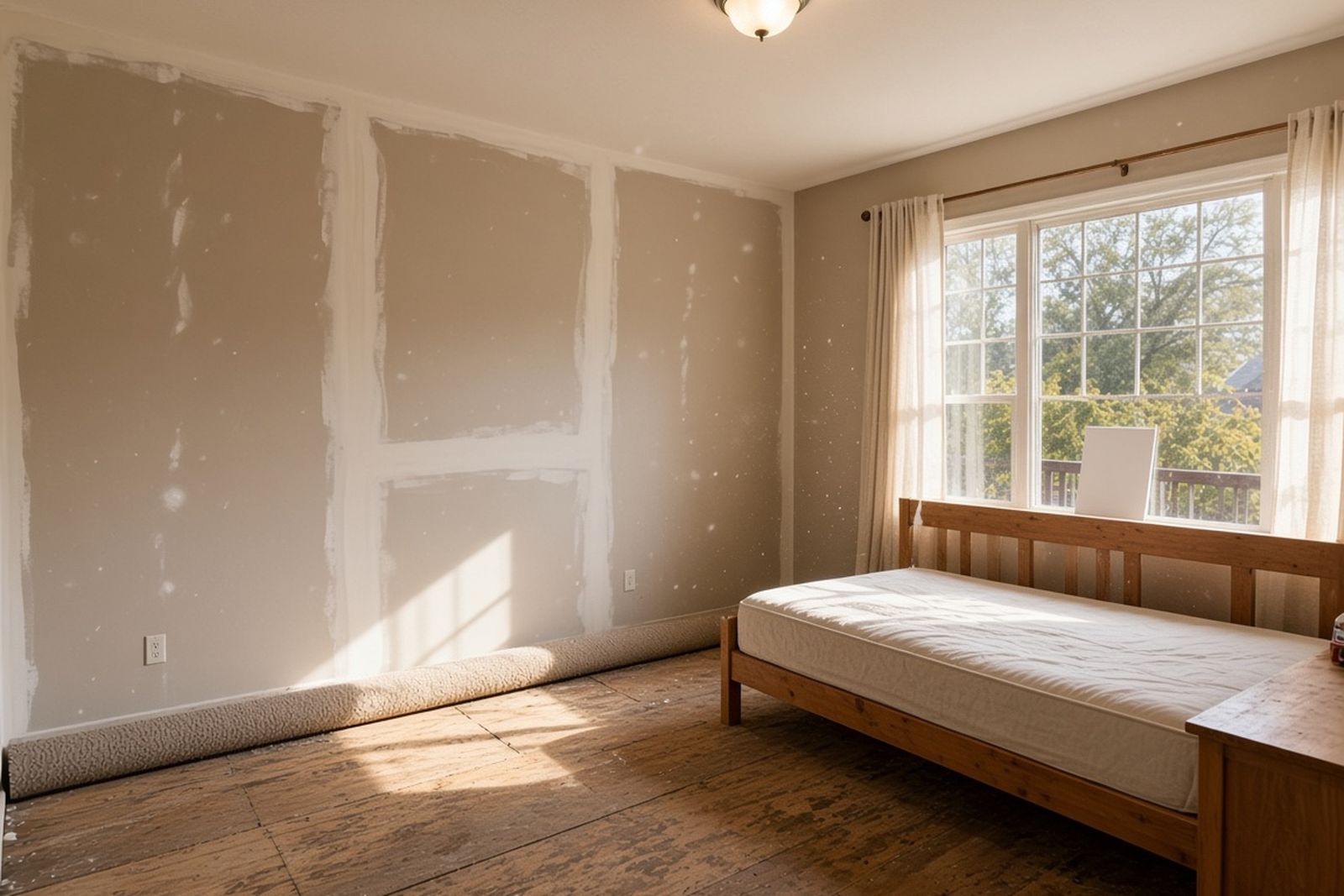
Policies often exclude damage done on purpose by an insured person. If someone listed on the policy committed the act, the insurer may deny or limit the claim. Some policies do protect innocent co-insureds. Other exclusions can involve an empty home, wear and tear, slow decay, or contamination and pollution wording. An insurer may read that wording broadly. Each of these depends on the wording and the facts of your case.
Coverage may also be limited by smaller caps within the policy, called sublimits. Deductibles and conditions like giving notice quickly can also limit it. Some policies cap how much they pay for certain cleanup or for some kinds of belongings. Wording differs a lot. So ask the insurer to name, in writing, any exclusion or limit it thinks applies. Ask it to quote the exact policy section. That record matters if you later need to challenge the decision.
How should you document a crime scene cleanup claim?
Good records are the base of any claim. Once police release the scene, the provider should photograph it from several angles before cleanup starts. You do not need to go into the affected area yourself. Keep the police report number, the release date, and the names of anyone you spoke with. Ask the cleanup company for a written estimate. It should separate labor, sealing off, removal, police residue cleaning, disposal, and final checks.
When the job is done, collect a full closing package. It should have before and after photos and a list of materials removed. It should list products used, test readings, and waste disposal records. Keep receipts for anything you paid for directly, like a place to stay or new locks. Keep everything in one folder, digital or paper. Note the date and topic of each talk with the insurer. Organized records make reviews faster and disputes easier to settle.
What should you expect when working with the adjuster?
An adjuster may want to inspect the property or review the provider's estimate. They may want to speak with the cleanup company directly. It is fair to ask the provider to join that talk. Then technical questions about how far fluid soaked in, what was torn out, and disposal get correct answers. Share the records you have. Answer questions honestly, and do not guess about facts you do not know. A calm, organized approach helps.
If the adjuster questions part of the estimate, ask them to explain why in writing. Ask which policy language supports their view. Sometimes a disagreement comes from a missing detail, like photos of contamination under the flooring. More evidence can settle it. Keep your tone calm and factual. You can also ask whether the insurer will pay the provider directly and how your deductible will be handled.
What can you do if your claim is denied or underpaid?
First, ask for the denial or partial payment decision in writing. It should list the exact policy terms. Compare that reason with your policy and your records. Sometimes a denial comes from a misunderstanding that new evidence can fix. Most insurers have an internal appeal or second review process. You can send more photos, a letter from the provider, or a clearer account of the facts.
If the insurer's review does not settle it, many states let you file a complaint with the state insurance department. Some people also talk to a licensed public adjuster or a lawyer who handles insurance disputes. This is more common when a lot of money is involved. Rules vary by state and county. Check with the local authority or your state insurance regulator about deadlines and options, because time limits may apply.
How can victim compensation help when insurance falls short?
States run crime victim compensation programs, and many list crime scene cleanup as a cost they cover. These programs usually pay only for costs that insurance or other sources did not cover. Limits vary a lot. For example, the California Victim Compensation Board (CalVCB) says it repays crime scene cleanup costs up to $1,709 per claim, as of its 2022 update. The Ohio Attorney General's 2024 materials describe a $750 cap on crime scene cleanup repayment per claim.
Programs usually need a police report and cooperation with police. You must usually apply within a set time. A victim advocate at the local prosecutor's office or a community group can help you with the paperwork. Ask your cleanup provider if they have worked with the program before. Ask if they can give you bills in the format the program needs. Rules vary by state and county. Check with the local authority before you rely on any benefit.
Which other funding sources are worth exploring?
If the person responsible for the property has died, the estate may pay for cleanup as a cost of settling the estate. That depends on the executor's choices and probate rules. In rentals, the landlord's coverage may pay for the building. A tenant's renters policy may pay for belongings. Some businesses have crime or special event coverage that includes cleanup costs. It depends on the add-ons they bought.
Community resources can help fill small gaps. Local victim service agencies, faith groups, and nonprofits sometimes help with urgent costs. They may also point you to emergency funds. Some employers offer employee assistance programs that give referrals. None of these is certain, and each has its own rules. But asking early gives you more options. It also eases the pressure to make every money decision at once.
Keep the claim organized
Crime Scene Cleanup insurance claim organizer
A checklist to keep the claim orderly. It stores nothing on our servers; copy the summary to your own notes.
0 of 18 steps recorded (0%)
Print or paste the summary into your own records. Coverage is the carrier's decision under the policy; keep every answer in writing.
Open the full tool page for a worked example and more answers.
State crime victim compensation programs
Many state programs can reimburse crime-scene cleanup costs for eligible victims and families, subject to their own rules, deadlines and limits. Links go to each program's official site; confirm eligibility with the program directly.
| State | Program | Agency |
|---|---|---|
| Alabama | Alabama Crime Victims' Compensation Commission | Alabama CVCC |
| Alaska | Alaska Violent Crimes Compensation BoardVerify: linked via NACVCB directory | Alaska Dept. of Administration |
| Arizona | Arizona Crime Victim Compensation ProgramVerify: linked via NACVCB directory | Arizona Criminal Justice Commission |
| Arkansas | Arkansas Crime Victims Reparations Board | Arkansas Dept. of Public Safety |
| California | California Victim Compensation Board (CalVCB) | CalVCB |
| Colorado | Colorado Crime Victim Compensation Program | Colorado Division of Criminal Justice |
| Connecticut | Connecticut Victim Compensation ProgramLists crime-scene cleanup as a covered expense | Connecticut Judicial Branch, Office of Victim Services |
| Delaware | Delaware Victims' Compensation Assistance Program (VCAP)Lists crime-scene cleanup as a covered expense | Delaware Dept. of Justice |
| District of Columbia | D.C. Crime Victims Compensation ProgramLists crime-scene cleanup as a covered expense | D.C. Superior Court |
| Florida | Florida Bureau of Victim Compensation | Florida Attorney General |
| Georgia | Georgia Crime Victims Compensation Program | Georgia CJCC |
| Hawaii | Hawaii Crime Victim Compensation Commission | Hawaii CVCC |
| Idaho | Idaho Crime Victims Compensation Program | Idaho Industrial Commission |
| Illinois | Illinois Crime Victim Compensation ProgramLists crime-scene cleanup as a covered expense | Illinois Attorney General |
| Indiana | Indiana Violent Crime Victim Compensation FundLists crime-scene cleanup as a covered expense | Indiana Criminal Justice Institute |
| Iowa | Iowa Crime Victim Compensation Program | Iowa Attorney General |
| Kansas | Kansas Crime Victims Compensation BoardVerify: linked via NACVCB directory | Kansas Attorney General |
| Kentucky | Kentucky Crime Victims Compensation Fund Program | Kentucky Crime Victims Compensation Board |
| Louisiana | Louisiana Crime Victims Reparations ProgramLists crime-scene cleanup as a covered expense | Louisiana Commission on Law Enforcement |
| Maine | Maine Victims' Compensation ProgramLists crime-scene cleanup as a covered expense | Maine Attorney General |
| Maryland | Maryland Criminal Injuries Compensation Board | Maryland GOCPP |
| Massachusetts | Massachusetts Victim Compensation ProgramVerify: linked via NACVCB directory | Massachusetts Attorney General |
| Michigan | Michigan Crime Victim Compensation Program | Michigan DHHS, Crime Victim Services Commission |
| Minnesota | Minnesota Crime Victims Reimbursement ProgramLists crime-scene cleanup as a covered expense | Minnesota DPS, Office of Justice Programs |
| Mississippi | Mississippi Crime Victim Compensation ProgramLists crime-scene cleanup as a covered expense | Mississippi Attorney General, Bureau of Victim Assistance |
| Missouri | Missouri Crime Victims' Compensation Program | Missouri Dept. of Public Safety |
| Montana | Montana Crime Victim Compensation ProgramVerify: linked via NACVCB directory | Montana Dept. of Justice, Office for Victim Services |
| Nebraska | Nebraska Crime Victim Reparations ProgramLists crime-scene cleanup as a covered expense | Nebraska Crime Commission |
| Nevada | Nevada Victims of Crime Program | Nevada Dept. of Human Services |
| New Hampshire | New Hampshire Victims' Compensation ProgramVerify: linked via NACVCB directory | New Hampshire Dept. of Justice |
| New Jersey | New Jersey Victims of Crime Compensation Office | New Jersey Office of the Attorney General |
| New Mexico | New Mexico Crime Victims Reparation Commission | New Mexico CVRC |
| New York | New York State Office of Victim Services | NY Office of Victim Services |
| North Carolina | North Carolina Crime Victims Compensation ProgramLists crime-scene cleanup as a covered expense | NC Dept. of Public Safety |
| North Dakota | North Dakota Crime Victims Compensation Program | ND Dept. of Corrections and Rehabilitation |
| Ohio | Ohio Crime Victims Compensation ProgramLists crime-scene cleanup as a covered expense | Ohio Attorney General |
| Oklahoma | Oklahoma Crime Victims Compensation ProgramLists crime-scene cleanup as a covered expense | Oklahoma District Attorneys Council |
| Oregon | Oregon Crime Victims' Compensation ProgramLists crime-scene cleanup as a covered expense | Oregon Dept. of Justice |
| Pennsylvania | Pennsylvania Victims Compensation Assistance ProgramLists crime-scene cleanup as a covered expense | Pennsylvania Commission on Crime and Delinquency |
| Rhode Island | Rhode Island Crime Victim Compensation ProgramVerify: linked via NACVCB directory | Rhode Island Office of the General Treasurer |
| South Carolina | South Carolina Crime Victim Compensation Program | South Carolina Attorney General |
| South Dakota | South Dakota Crime Victims' Compensation Program | South Dakota Dept. of Public Safety |
| Tennessee | Tennessee Criminal Injuries Compensation Program | Tennessee Dept. of Treasury |
| Texas | Texas Crime Victims' Compensation Program | Texas Attorney General |
| Utah | Utah Crime Victim Reparations | Utah Office for Victims of Crime |
| Vermont | Vermont Victims Compensation Program | Vermont Center for Crime Victim Services |
| Virginia | Virginia Victims FundLists crime-scene cleanup as a covered expense | Virginia Victims Fund (Criminal Injuries Compensation Fund) |
| Washington | Washington Crime Victims Compensation Program | Washington Dept. of Labor & Industries |
| West Virginia | West Virginia Crime Victims Compensation Fund | West Virginia Legislature |
| Wisconsin | Wisconsin Crime Victim Compensation ProgramLists crime-scene cleanup as a covered expense | Wisconsin Dept. of Justice |
| Wyoming | Wyoming Crime Victims Compensation Program | Wyoming Division of Victim Services |
What research has found
Findings from published studies of people and properties in situations like this one. They describe what researchers observed in a specific group; they are not predictions for your case.
Insurance and government compensation paperwork was described as confusing.
Delayed insurance assessments were described as obstructing timely remediation.
Insurance questions about crime scene cleanup
Will my homeowners insurance definitely cover crime scene cleanup?
There is no single answer for everyone. Some homeowners policies treat contamination from a violent act as sudden, accidental damage. Others limit or exclude it, depending on the wording and the facts. The only sure way to know is to open a claim. Ask the insurer which terms apply, and ask for its answer in writing. Your cleanup provider's records will help the insurer judge the loss correctly. But no provider can promise that a claim will be approved.
Should I call my insurer before or after the cleanup starts?
Contact your insurer as early as you reasonably can. Ideally, do it before or when cleanup begins. Many policies require quick notice of a loss. But you should not leave a biohazard in place for a long time waiting for approval, especially if it is a health risk. Ask the insurer if it wants to inspect first. Make sure the provider photographs everything well before work starts. That keeps proof of the damage.
What if a family member caused the damage?
Many policies have exclusions for acts done on purpose. They may apply when an insured person caused the harm. Some policies or state rules protect an innocent co-insured who had no part in the act, but this varies. Explain the facts honestly to the insurer. Ask how its policy language treats your case. If you are denied, think about talking to a licensed professional who handles insurance disputes. Victim compensation programs may also help victims who qualify.
Does a renter's policy pay to clean the apartment itself?
Usually not. A renters policy mainly covers the tenant's belongings and liability. The building is usually the landlord's responsibility, under the landlord's policy. A renters policy may help with contaminated belongings. It may also pay for temporary living costs if you cannot live in the unit, depending on the terms. Talk with both your insurer and your landlord. Make clear who is handling each part of the cleanup and replacement.
Can victim compensation pay for cleanup if I have insurance?
Victim compensation programs usually pay as a last resort. They look at costs that insurance and other sources did not cover. You may be able to apply for your deductible or for items your policy left out. Programs usually ask for the insurer's explanation of benefits and the bills. Contact your state program or a victim advocate to learn the steps. Rules vary by state and county. Check with the local authority before you assume you qualify.
Do I need a police report to file a claim?
Insurers often ask for a police report or case number when a loss involves a crime. Victim compensation programs almost always require one. If you do not have the report yet, ask the police agency how to get a copy, or at least the case number. Keep it with your claim file. The report helps show the date, cause, and type of incident. That supports both insurance and compensation reviews.
What should I avoid saying or doing during a claim?
Do not guess about facts you do not know. Do not overstate the damage or sign papers you have not read. Stick to what you saw and what the records show. Do not throw away contaminated items before they are photographed and listed. The exception is an urgent safety reason, and then the provider should record them. Keep copies of every message. Ask for important decisions in writing so you can review them calmly later.
What other visitors said
Every count is a real visitor vote; nothing is seeded or padded. One vote per poll per device, and you can change your answer.
What was the hardest thing to figure out in the first day after the scene was released?
Which type of incident brought you to this topic?
More on crime scene cleanup
Crime Scene Cleanup services
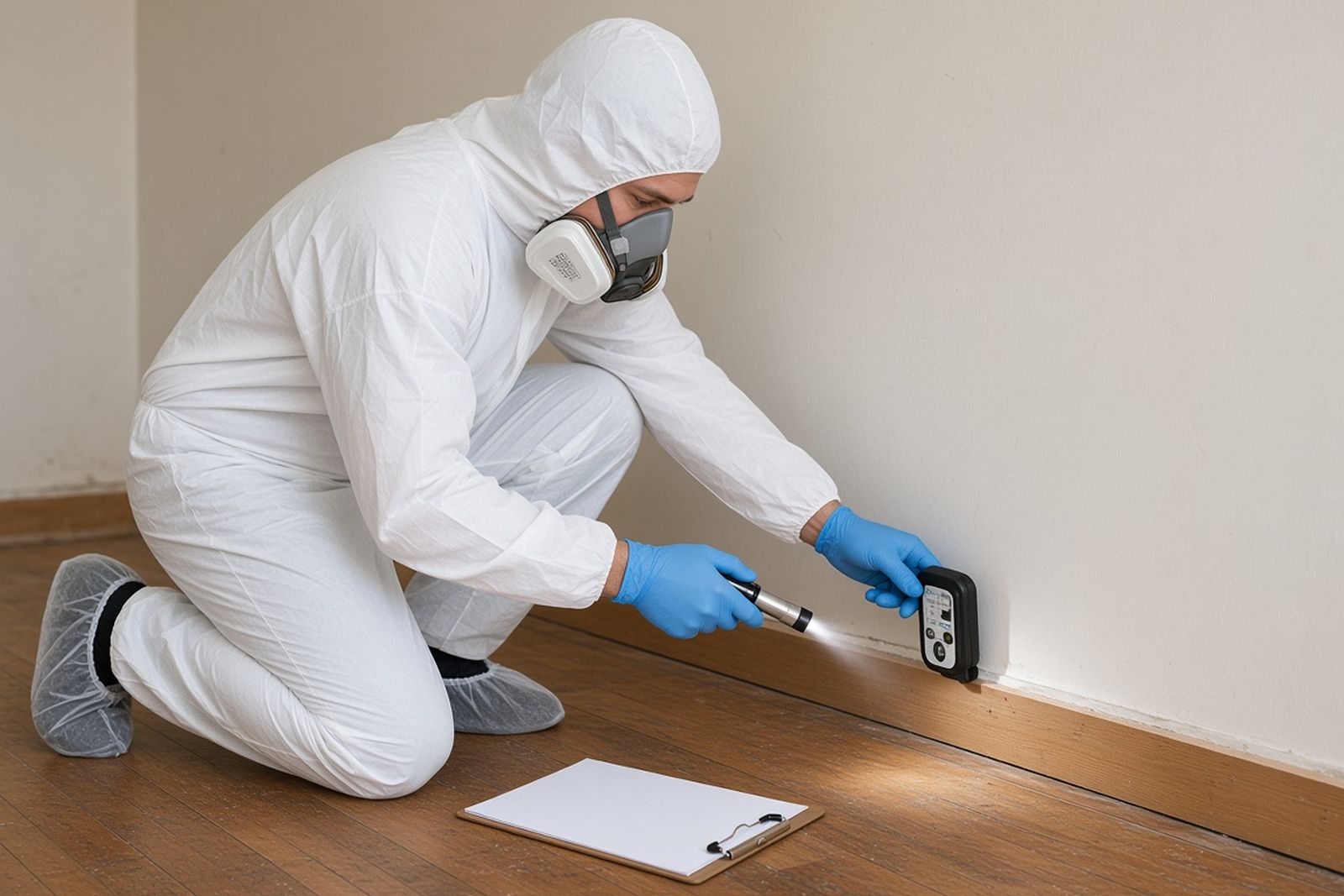
See what crime scene cleanup covers, from blood and police residue to tear gas and cars, and what the work does not include.
Costs explained
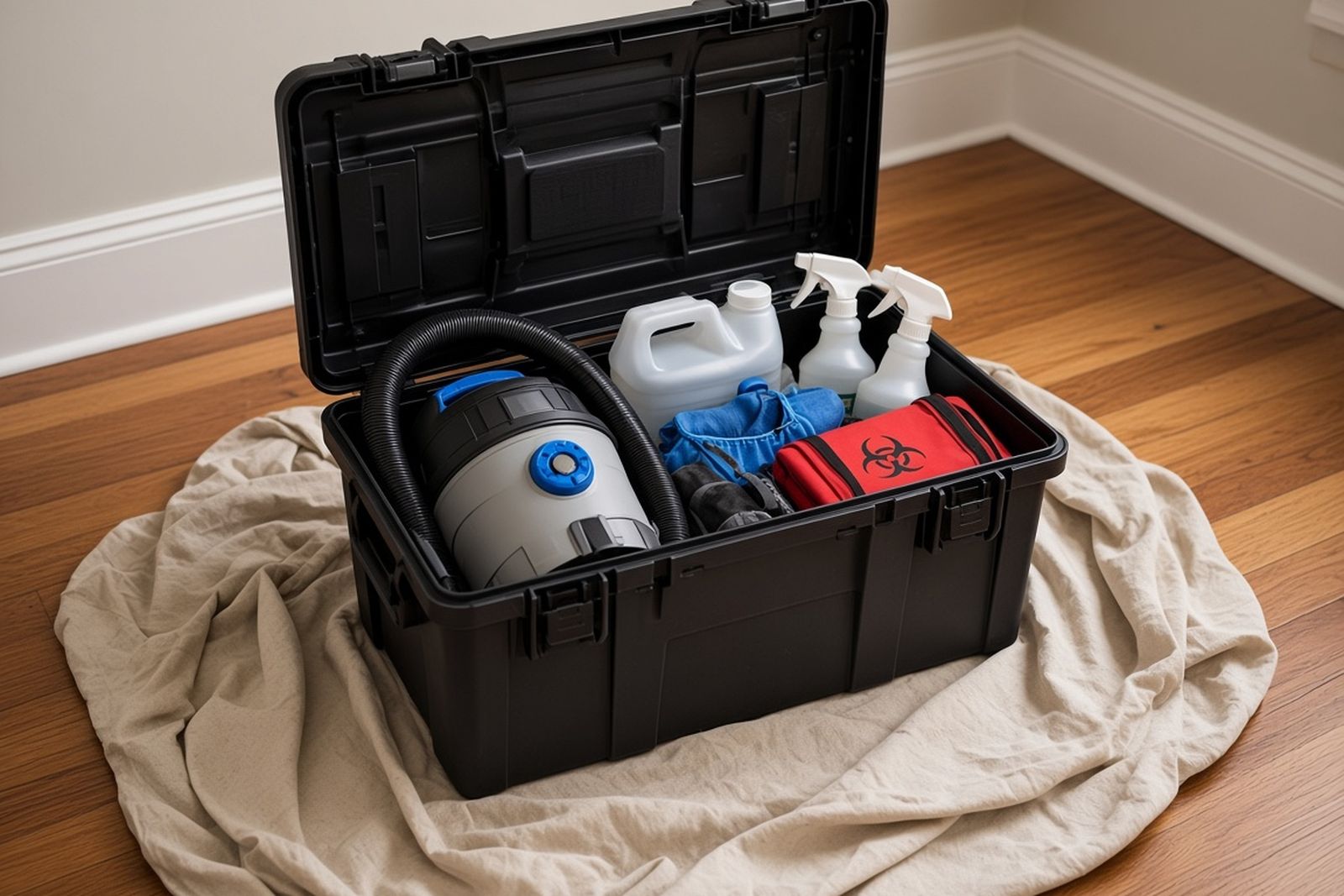
What drives the price, published cost ranges, and how to read a written quote line by line.
Planning tools
Planners, checklists, and guides you can click through for the days after police release a crime scene, each built for this situation.
Community polls
See what other readers think about the choices people face after a crime at their property, from picking a company to what surprised them most.
Knowledge quiz
Test what you know about scene release, sealing off the area, disinfecting, waste, and checking the work, with a short quiz and a plain study guide.
Articles and resources
Read about common kinds of crime scenes, like a break-in where someone got hurt, tear gas left after a standoff, or the mess from a police search. Written for owners.
Field guides
Longer step-by-step guides on confirming scene release, working with insurers, reading a cleanup job plan, and keeping people safe while work is underway.
City guides
Find local facts and reach companies by area, with reminders that license and disposal rules vary by state and county.