Free crime scene cleanup tool
Crime Scene Cleanup Cost Range Estimator
Set the affected area, surface types, severity and extras to see an educational cost range and the factors that move it.
Quotes for crime scene cleanup can look wildly different for what seems like the same job. The reason is almost always in details a stranger cannot see from a description. This estimator asks you to describe the affected area and the mix of hard and soft surfaces. It asks how bad the contamination looks. It also asks about extras, such as after-hours work, more than one room, odor treatment, or removing parts of walls or floors. It then shows a cost range for learning purposes. More important, it explains which of your answers pushed the range up or down. The goal is not to predict your bill. It is to help you see why a company might quote what it does, so a written estimate makes sense line by line.
Crime scenes have cost drivers that other biohazard jobs do not. Police residue adds cleaning products and often air filter work. Tear gas or pepper spray from a standoff can turn a small blood cleanup into a whole-house job with soft items replaced. Sharps and bullet debris slow the work, because every surface must be swept before wet cleaning starts. Vehicles bring their own hassles, since seats and carpet soak up fluids and may need to be replaced rather than cleaned. The estimator points out these factors so you can spot them in a quote. Then you can ask about any that seem missing or too high. Ranges are examples only. The network does not set, review, or promise any company's prices.
How to use it
- 1Pick the rough size of the affected area, and choose if the surfaces are mostly hard, mixed, or soft.
- 2Pick the level that best matches what you see, without going into the space or moving anything.
- 3Check any extras that apply, such as more than one room, after-hours work, odor treatment, or likely removal of walls or floors.
- 4Review the range and the listed cost drivers. Then use the quote checklist to ask each company for a written, itemized job plan.
Prefer to ask a person?
Your request is sent to the follow-up inbox. A coordinator can reply by email. Not for emergencies; call 911 first if anyone is in danger.
Estimate a cost range
Crime Scene Cleanup cost range estimator
Educational only. Real pricing needs an on-site assessment and a written scope. Insurance coverage is decided by your carrier, not by this tool.
Educational range: $3,000 – $5,000
Scaled from a published reference range (typical biohazard cleanup project, national) reported by Fixr (2025). Your region, provider and the actual findings on site can move the real number outside this range.
Cost level: Mid range.
None of the big cost multipliers are selected. Minimum service charges, travel and waste fees still apply.
Ask every quote to itemize labor, containment, product, waste disposal, verification sampling, and any rebuild, and to state what is excluded.
A worked example
Picture this made-up case. A small business owner arrives at a store the morning after a break-in. The intruder cut a hand on the broken door. There is blood on the tile entry, along the counter, and on part of the carpet in the back office. Police worked the scene overnight, so fingerprint powder coats the door frame, the register area, and several shelves. The owner runs the estimator. She picks a medium area, mixed surfaces, medium severity, and the extra for more than one room, since the mess spans the entry and the office. The result shows a mid-range estimate and lists the drivers. The office carpet is soft and may need to come out. The powder adds HEPA vacuuming across many surfaces well beyond the blood. Two separate zones mean more setup to seal off each area. The owner also sees a reminder to ask if the air filters need replacing, since the system ran all night. With that list, the owner asks for two written quotes. She checks whether each one lists carpet removal, powder cleanup, and filter service on separate lines, rather than lumping it all together.
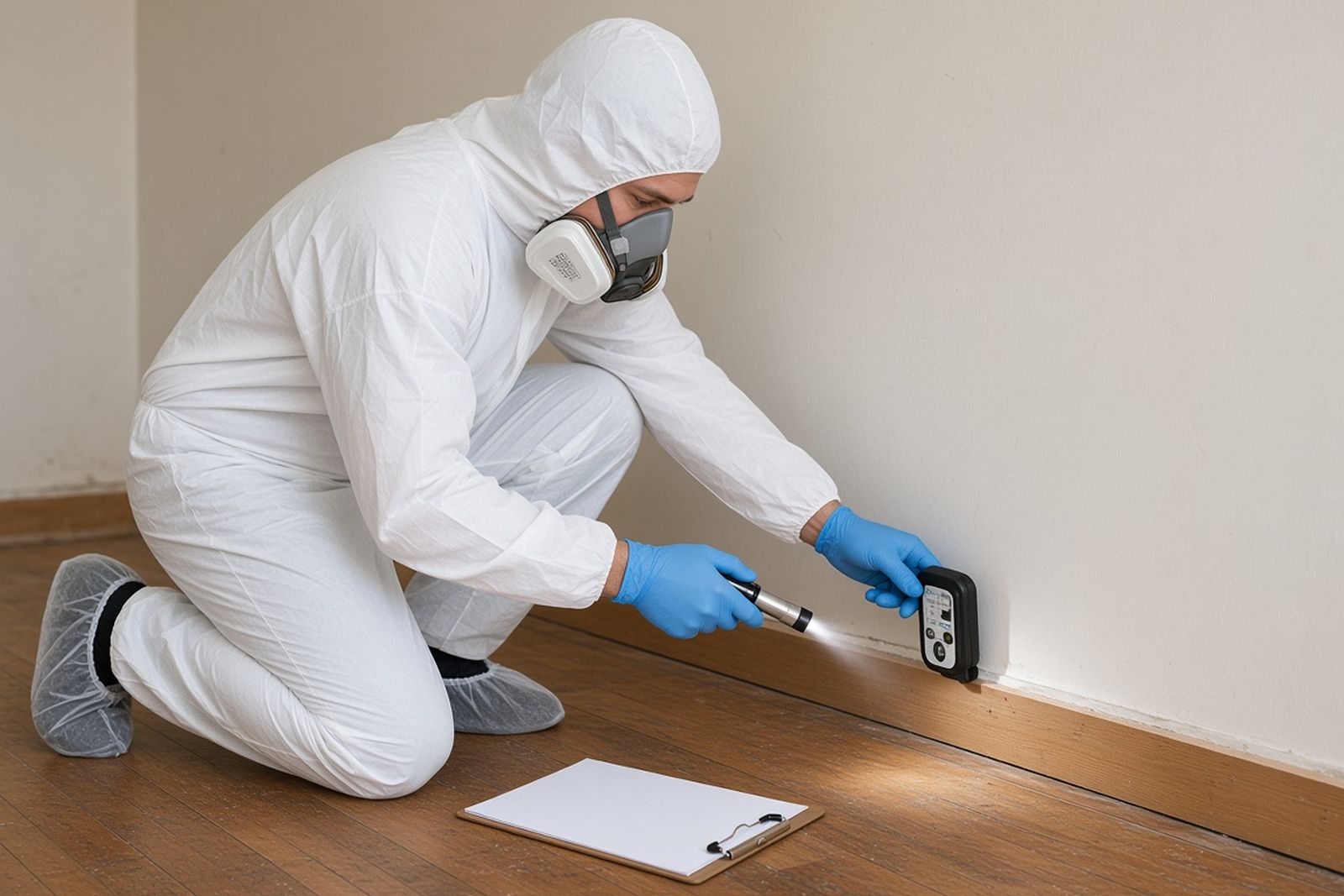
Numbers behind cost estimator decisions
- $70,000
Eligible California crime victims can receive up to $70,000 in total reimbursements for crime-related expenses through CalVCB.
Read with care: Cap covers all expense categories combined; cleanup is subject to its own lower sub-limit.
Source: California Victim Compensation Board (CalVCB) (2022)California, overall per-claim cap as of July 2022
- $4,869
Utah's Office for Victims of Crime paid $4,869 in crime scene cleanup expenses across all claims in its 2024 reporting year.
Read with care: Single state, single year; shows cleanup is a small share of total compensation outlays.
Source: Utah Office for Victims of Crime (2024)Utah, 2024 annual report period
- 2.34
Insurance disputes were associated with depression (aOR 2.34; 95% CI 1.4–3.9).
Read with care: Observational and self-selected; negative-comment denominator is comments, not all insured people.
Source: McKenzie et al. (2022)521 insured, inundated-household respondents from a 2,530-person survey six months after flooding.
- $760,704,172
State VOCA-funded victim compensation programs paid $760,704,172 supporting 453,051 claims in federal fiscal years 2019-2020.
Read with care: Aggregate across expense types; OVC does not publish a national breakdown of cleanup payouts.
Source: U.S. Department of Justice, Office for Victims of Crime (2020)United States, all state compensation programs, FY2019-FY2020 combined
These figures are public research and agency data, not this network's own job records. Keep each number with its population, year and limits; none of them predicts cost, timing or outcome at a specific property.
Cost Range Estimator questions for crime scene cleanup
Why does the estimator ask about surface types instead of just square footage?
Because the same amount of blood on tile and on carpet leads to very different work. Hard surfaces can usually be cleaned and disinfected where they are. Soft materials such as carpet pad, drywall, and furniture often have to be removed and thrown out as regulated waste. Surface type changes the labor, the supplies, how much waste there is, and whether rebuilding is needed later.
How does investigation residue affect the range?
Fingerprint powder and police sprays spread the cleaning area far beyond where blood was found. That is because police process door frames, windows, and surfaces all through the building. That residue needs a HEPA vacuum and matching cleaners, not disinfectants. The estimator treats it as a cost driver. It adds time across many surfaces, even when the blood itself is limited.
Should I include tear gas as an extra even if only one room was affected?
Yes, if it was used anywhere in the building. Tear gas and pepper spray (CS and OC) travel through air systems. They settle into fabric far from the room where the canister landed. The estimator flags this because replacing soft items and air filters is often the biggest part of a standoff cleanup. That is true no matter where the blood was.
Can I use the estimator for a vehicle?
In a rough way. Select a small area with mixed or porous surfaces, since vehicle interiors are mostly foam, fabric, and seams. Keep in mind that vehicle work sometimes involves comparing cleanup cost to the vehicle's value, which the estimator does not do. The network's vehicular biohazard site covers that decision in more depth.
After a walkthrough, which details about fingerprint powder, blood removal and waste should appear on paper?
A bid based on a walkthrough should list each room. It should say which materials, such as carpet pad or parts of drywall, will come out. It should explain how fingerprint powder and other police residue will be removed. It should name the disinfectants and say how long they stay wet. It should say how the finished work is checked. And it should explain how regulated waste is hauled away and recorded. The estimator only sketches a rough range. Those details come from someone who has actually seen the property.
Should I share my estimator result with providers when I call?
You can, but it is often better to describe the scene first and let each provider give its own view. Sharing a range too early can anchor the conversation. Once you have quotes, the estimator result becomes a useful point of comparison. If a quote falls far outside the range, ask the provider which factors at your scene explain the difference rather than assuming either number is wrong.
How do I use the estimator if I have not been able to see the affected area?
Answer the questions using what police, a family member, or the company has told you. Where you are unsure, choose the more cautious option. Treat the result as a very rough starting point. Once someone can safely look at the space, run the estimator again with better facts. Do not go into the area just to answer the questions, since that can expose you to hazards.
Related community polls
Every count is a real visitor vote; nothing is seeded or padded. One vote per poll per device, and you can change your answer.
What was the hardest thing to figure out in the first day after the scene was released?
Which type of incident brought you to this topic?
Other crime scene cleanup tools
Provider Vetting Checklist
Fifteen questions to ask any remediation provider, a readiness score, and a copyable list of what is still unanswered.
OpenInsurance Claim Organizer
A guided checklist from finding the policy to tracking the carrier decision, with a printable summary of where the claim stands.
OpenFirst 24 Hours Planner
Tell the planner a few facts about the situation and get an ordered list of who to call, what not to touch, and what to photograph.
OpenWaste & Disposal Classifier
Five questions about the material point to the likely waste category and which authority to confirm the rules with.
OpenDIY or Call a Pro? Risk Check
Eight yes-or-no questions that produce a risk level and explain when professional help is the safer choice.
OpenMore on crime scene cleanup
Crime Scene Cleanup services
See what crime scene cleanup covers, from blood and police residue to tear gas and cars, and what the work does not include.
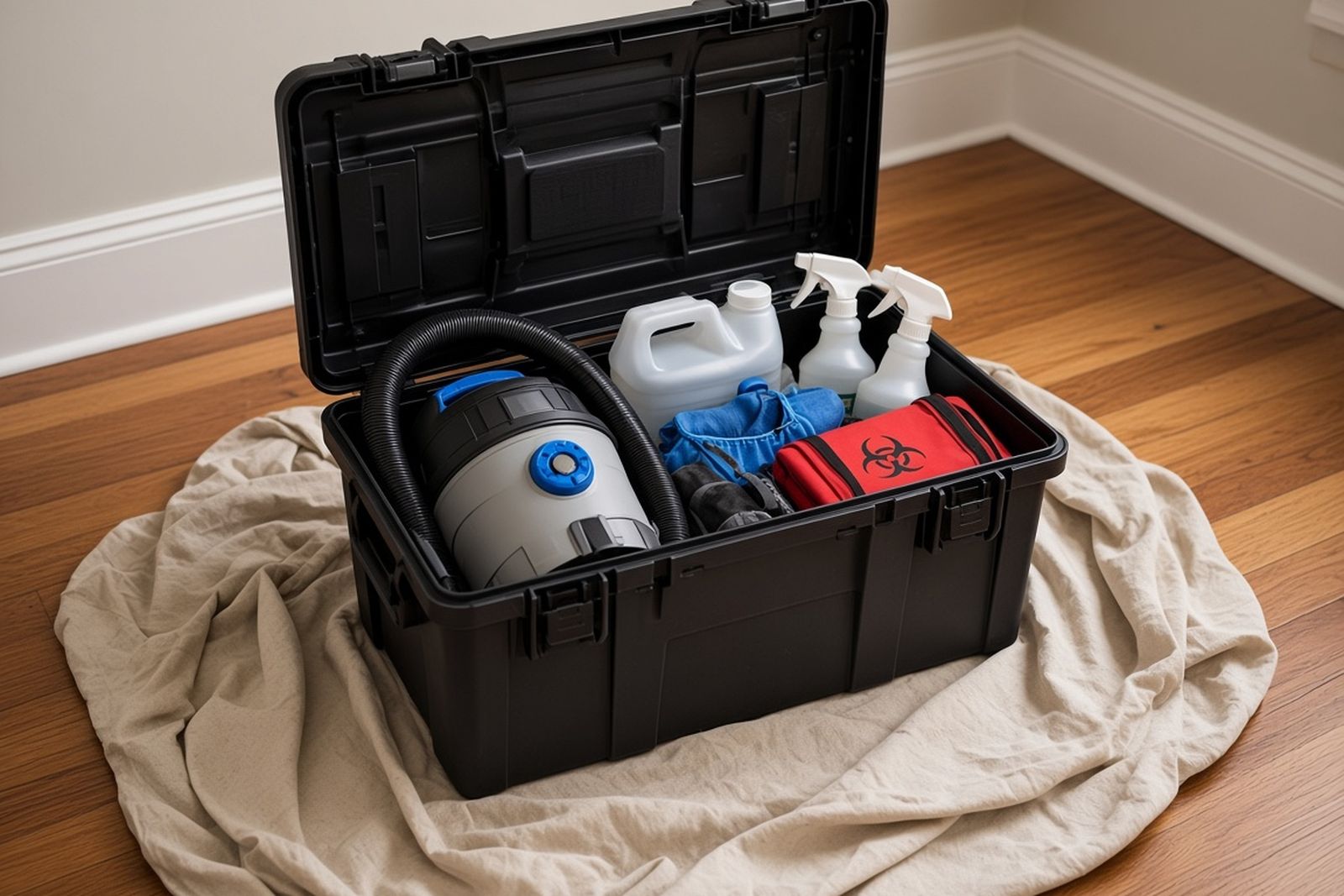
Costs explained
What drives the price, published cost ranges, and how to read a written quote line by line.
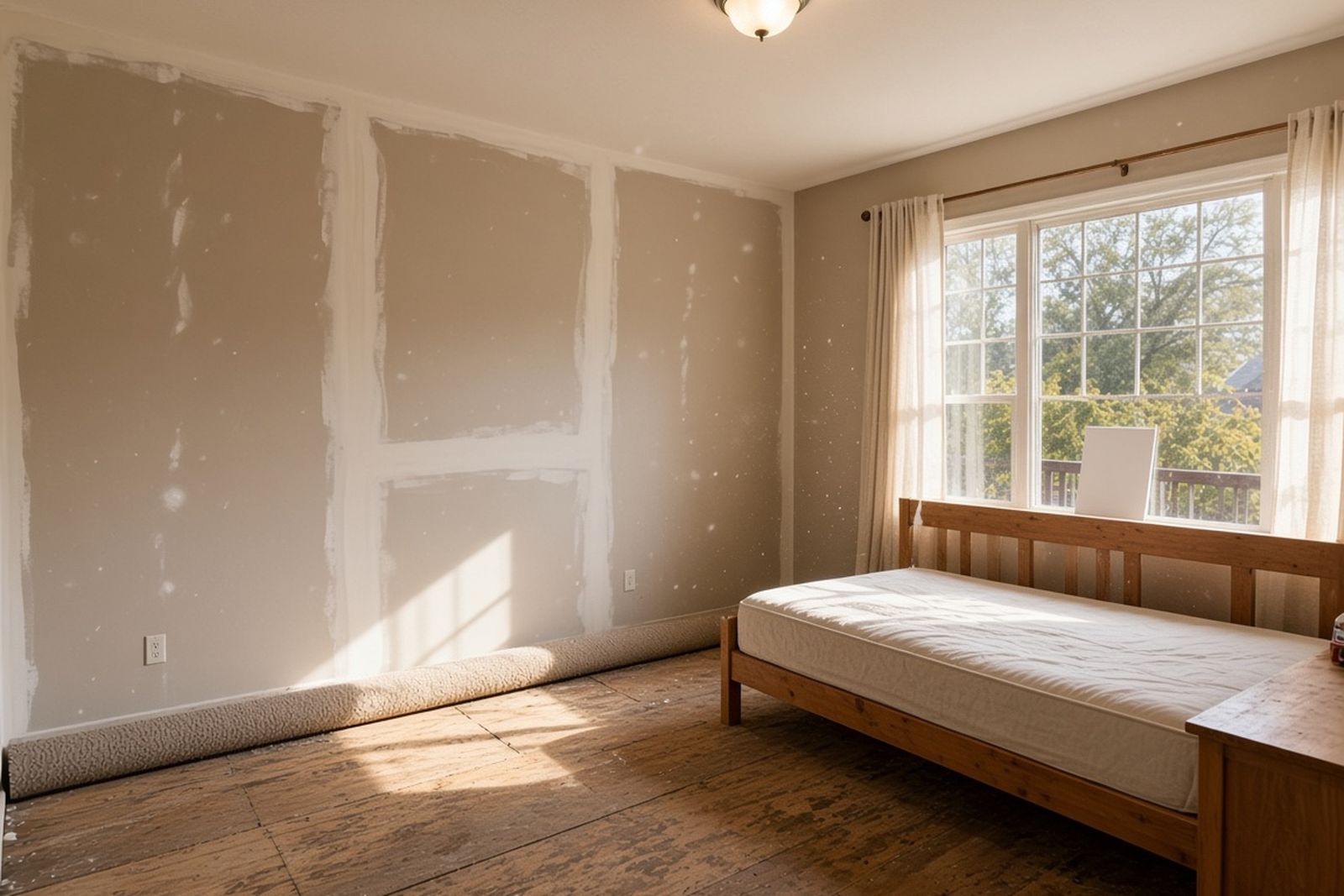
Insurance and payment
Which policies may respond, how to document a claim, and what to do if coverage is denied.
Community polls
See what other readers think about the choices people face after a crime at their property, from picking a company to what surprised them most.
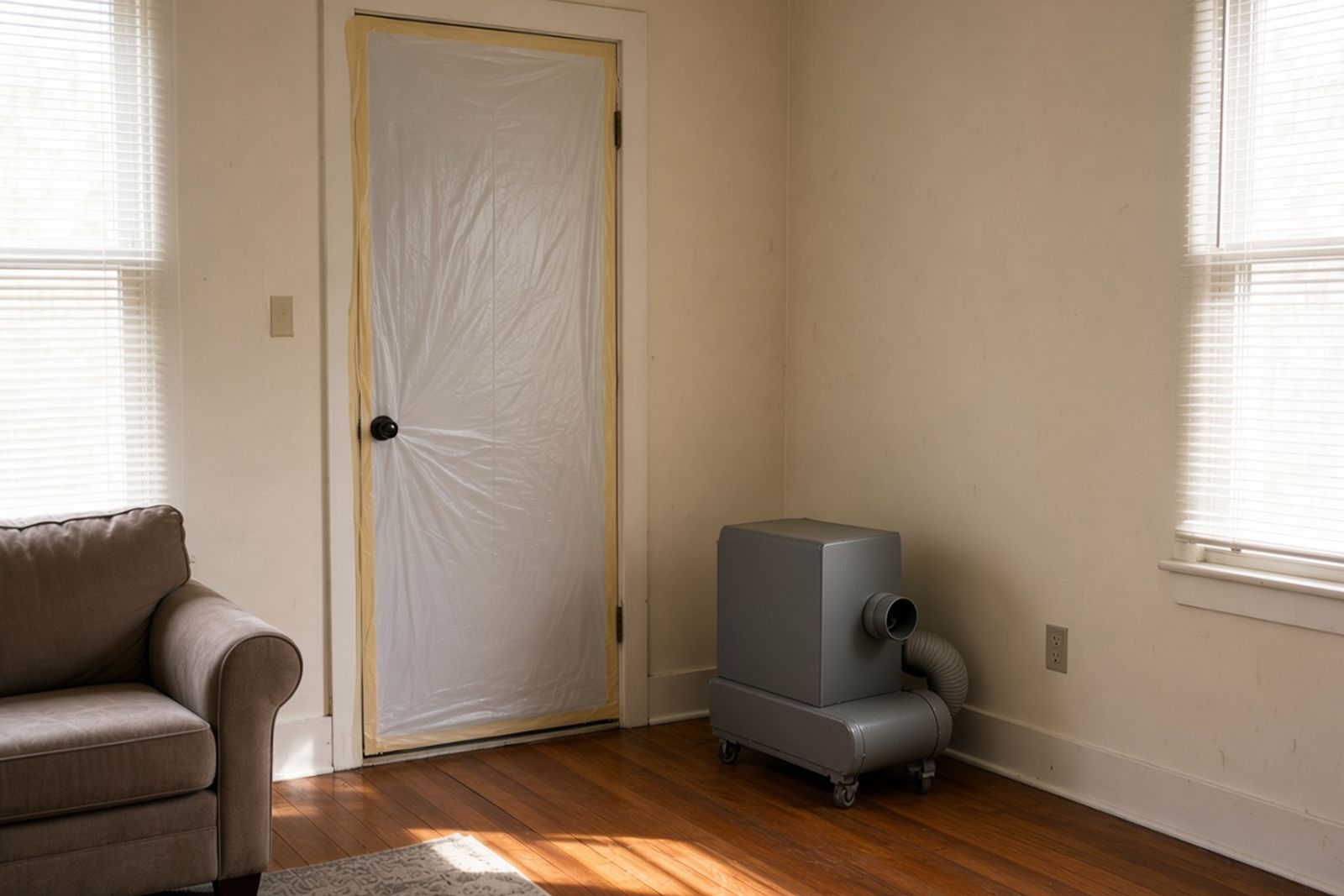
Knowledge quiz
Test what you know about scene release, sealing off the area, disinfecting, waste, and checking the work, with a short quiz and a plain study guide.
Articles and resources
Read about common kinds of crime scenes, like a break-in where someone got hurt, tear gas left after a standoff, or the mess from a police search. Written for owners.
Field guides
Longer step-by-step guides on confirming scene release, working with insurers, reading a cleanup job plan, and keeping people safe while work is underway.
City guides
Find local facts and reach companies by area, with reminders that license and disposal rules vary by state and county.