Short answer
Before cleanup begins, someone should check ten risks. They are germs carried in blood, sharp objects and broken glass, hidden blood, chemical hazards and dust in the air. They also include damage to the building, site security and unexpected items, utility hazards, heat stress in protective gear and emotional strain. A good company finds each risk during its walkthrough. It tells you how it will control each one and writes the plan down before work starts.
Why assess risks before any cleaning starts?
After police release a crime scene, your natural instinct is to start cleaning right away. Professional crews do the opposite. They pause, walk the space and look for hazards first. What they find shapes the protective gear they wear, the order they work in and the tools they bring.
Knowing these risks helps you in two ways. It explains why household cleaning is rarely safe. It also gives you a way to judge whether a company is taking your property seriously. If a company cannot describe how it will manage the hazards below, keep looking.
The list that follows is not ranked by importance, because the biggest risk varies from scene to scene.
Risks 1 and 2: pathogens and hidden contamination
Risk 1 is bloodborne pathogens, the germs carried in blood. Blood and certain body fluids can carry hepatitis B, hepatitis C and HIV. No one can tell from a stain whether a germ is present. So professionals follow universal precautions and treat all such material as able to spread disease. Dried blood still counts, and scrubbing can release flakes and fine particles.
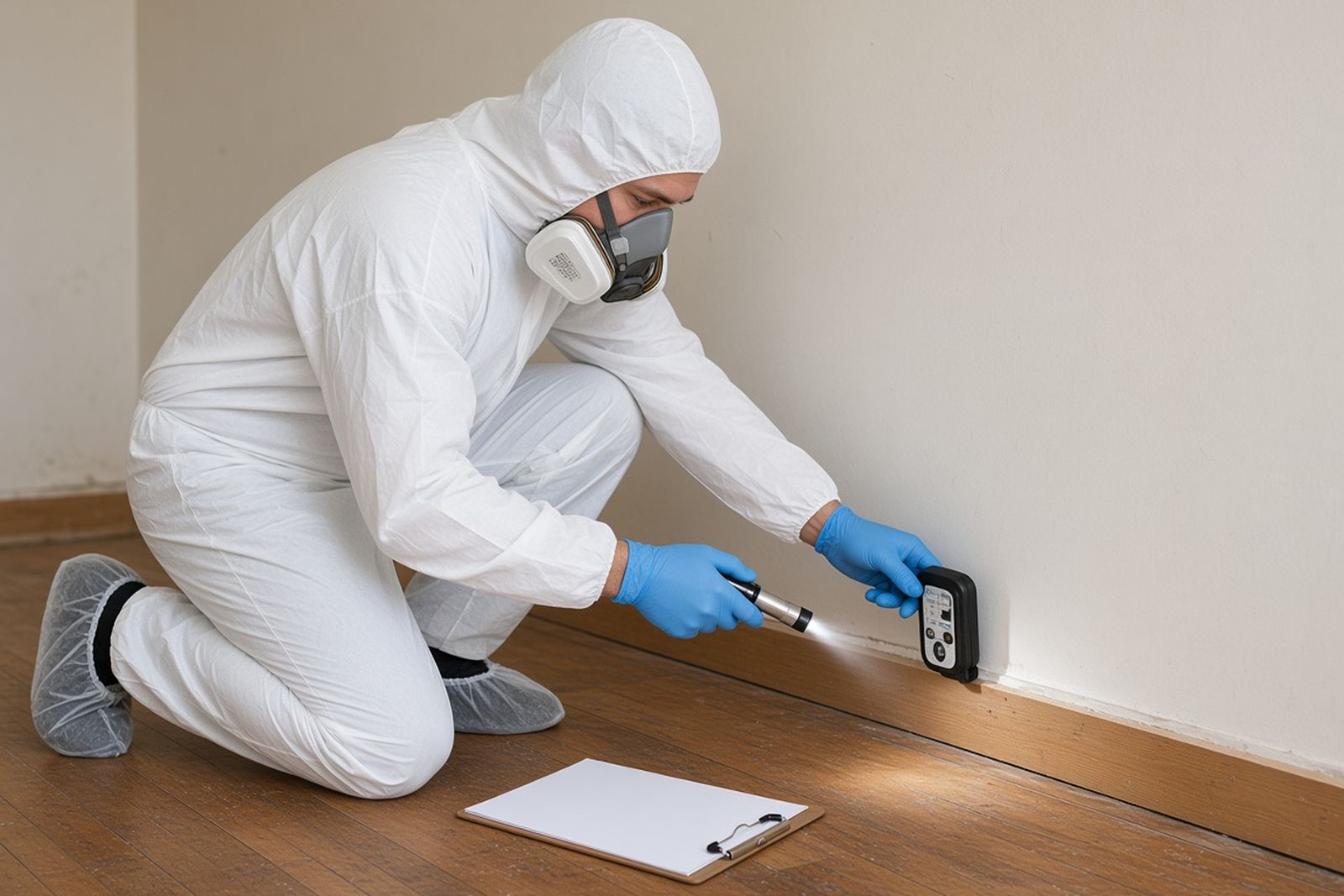
Risk 2 is hidden and spreading blood. Blood soaks into carpet pad, subfloor, grout and seams. Droplets can land on ceilings, lampshades and the undersides of furniture. People moving through after the event often carry traces along hallways and stairs. A careful check uses light held at an angle and, where needed, lifts flooring to find the true edge. Without that, blood can be left behind or tracked into your clean rooms on shoes and tools.
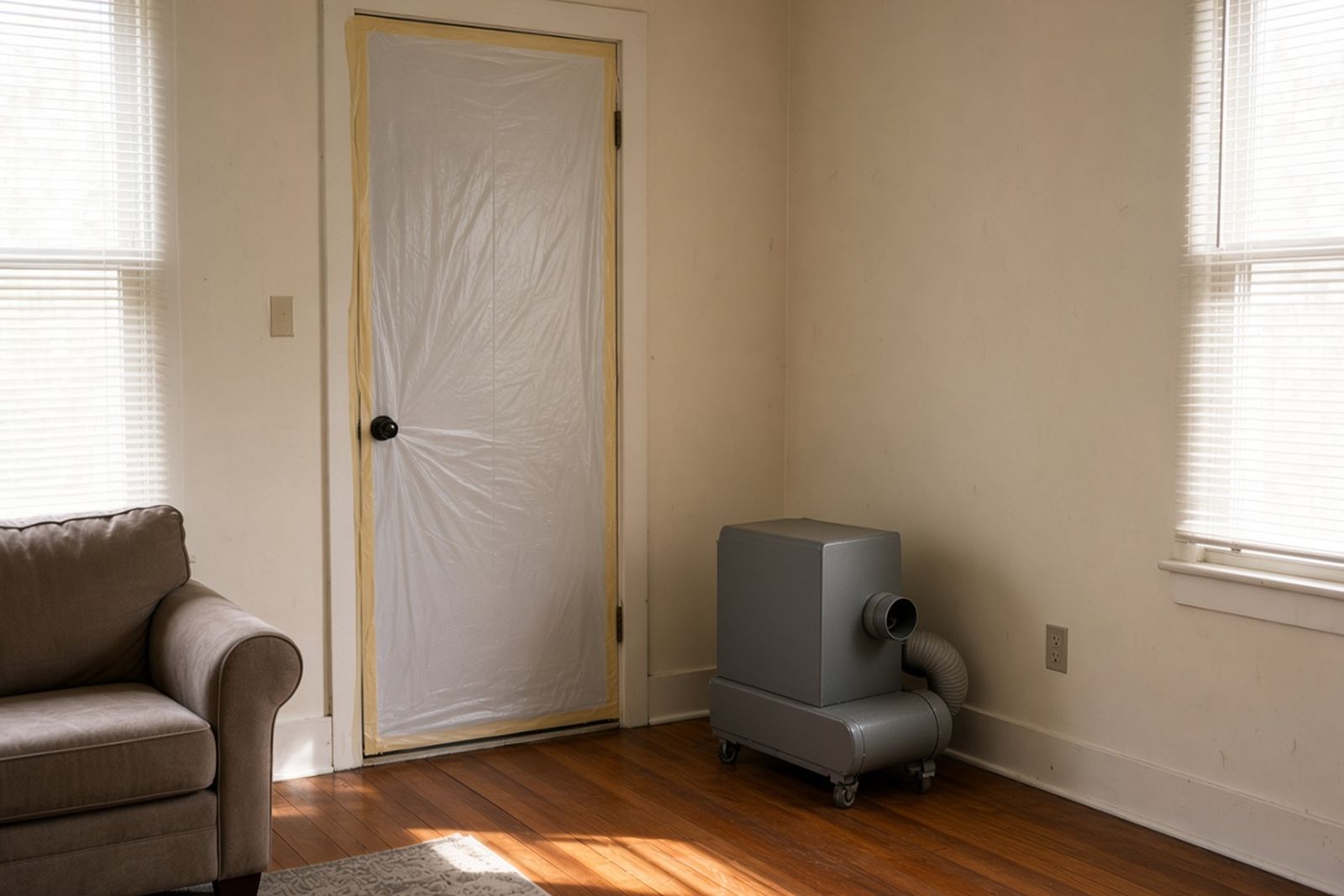
A good crew controls these risks in several ways. Workers wear fluid-resistant suits, two layers of gloves and eye protection. They close off the area with plastic sheeting and set aside a place for taking off gear. They work in a strict order from clean areas to dirty ones.
Vehicles deserve a mention here. If your car was involved or was parked near the scene, blood may be on door handles, seats or floor mats. Cloth seats soak up fluid much like a sofa cushion. The car should be checked along with the building, not treated as an afterthought.
Risk 3: sharps and broken materials
Risk 3 is sharp objects and broken materials. Violent crimes and forced entry can leave broken glass, splintered wood, damaged fixtures and, at some scenes, discarded needles. The FBI reported that in 2024, firearms were used in 32.8% of aggravated assaults reported to U.S. law enforcement, and knives or cutting instruments in 16.6%. Even after police collect evidence, fragments and debris from those events may remain.
Sharp debris can cut through thin nitrile gloves and give germs in blood a direct way into the body. Crews use cut-resistant outer gloves and tongs or scoops for glass. They use hard, puncture-proof containers made for sharp objects. They do not reach blindly under furniture or into cracks, and you should not either.
Carpet tack strips and staples uncovered when flooring is removed are an often missed source of cuts. Crews treat them as sharp objects too.
Risk 4: chemical exposure
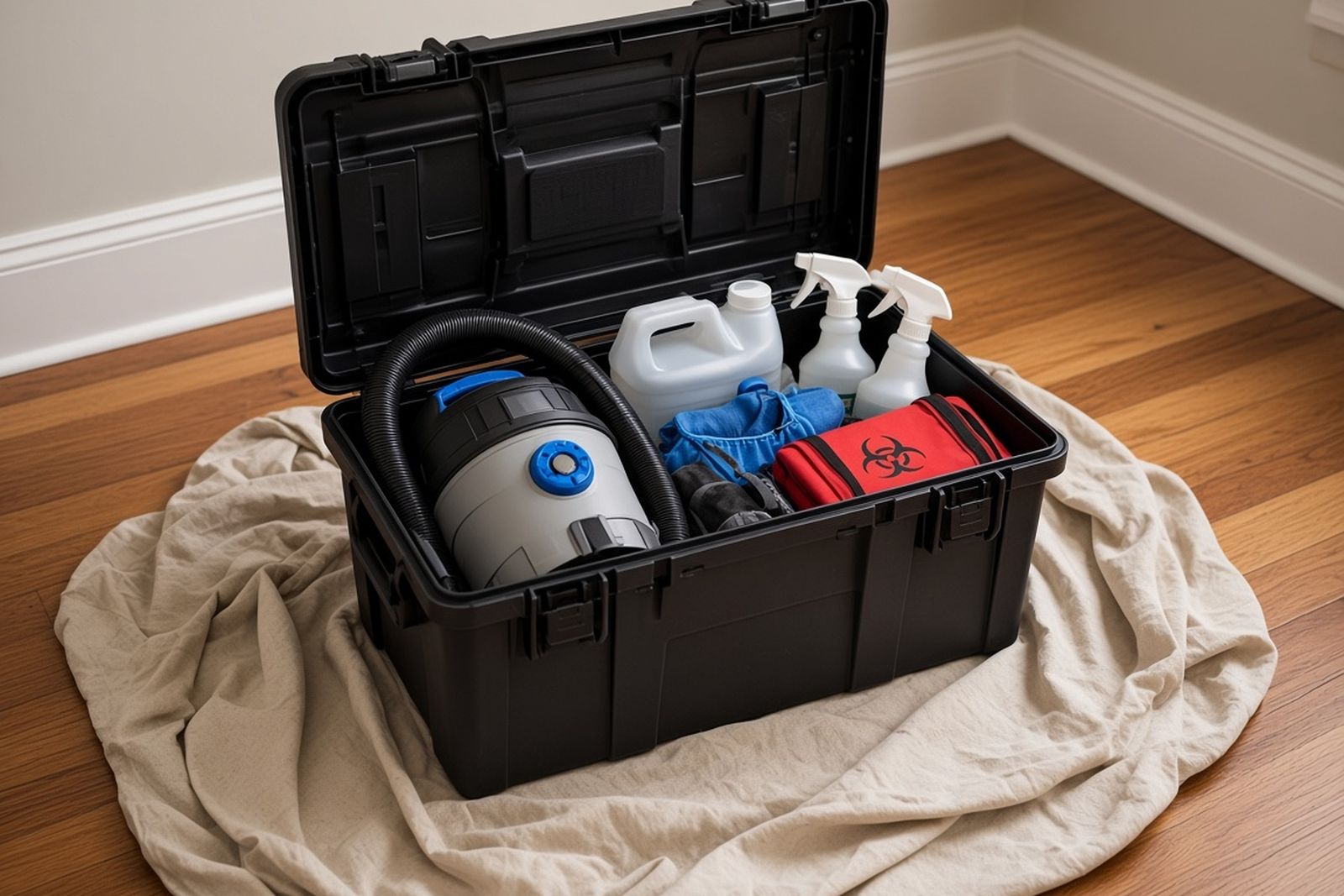
Risk 4 is chemical exposure. Cleanup uses detergents, enzyme cleaners and disinfectants, and some of them are strong. Mixing bleach with ammonia or acidic cleaners makes toxic gases. Using products in small, closed spaces can let fumes build up. Professionals use EPA-registered disinfectants as the label directs. They bring in fresh air as needed and never combine products that should not be mixed.
- Never mix bleach with ammonia or acids
- Follow the disinfectant label for how much water to add and how long the surface must stay wet
Risk 5: airborne particles
Risk 5 is particles in the air. Cutting drywall, pulling carpet and removing fingerprint powder can put fine particles into the air of your home. Some police residue is very fine and clings to surfaces. Crews decide whether respirators, which are fitted breathing masks, are needed and which type. They decide whether HEPA air machines, which trap very fine particles, should run. They decide whether vents need to be sealed to keep particles from traveling through your ductwork.
Anyone wearing a respirator should be trained and fit tested for it. The filters should be matched to what is in the air.
- Match respirators to the dust, fine spray or fumes in the air
- Seal nearby vents and use HEPA air filters when dust is expected
Risks 6 and 7: structural damage, security and unexpected items
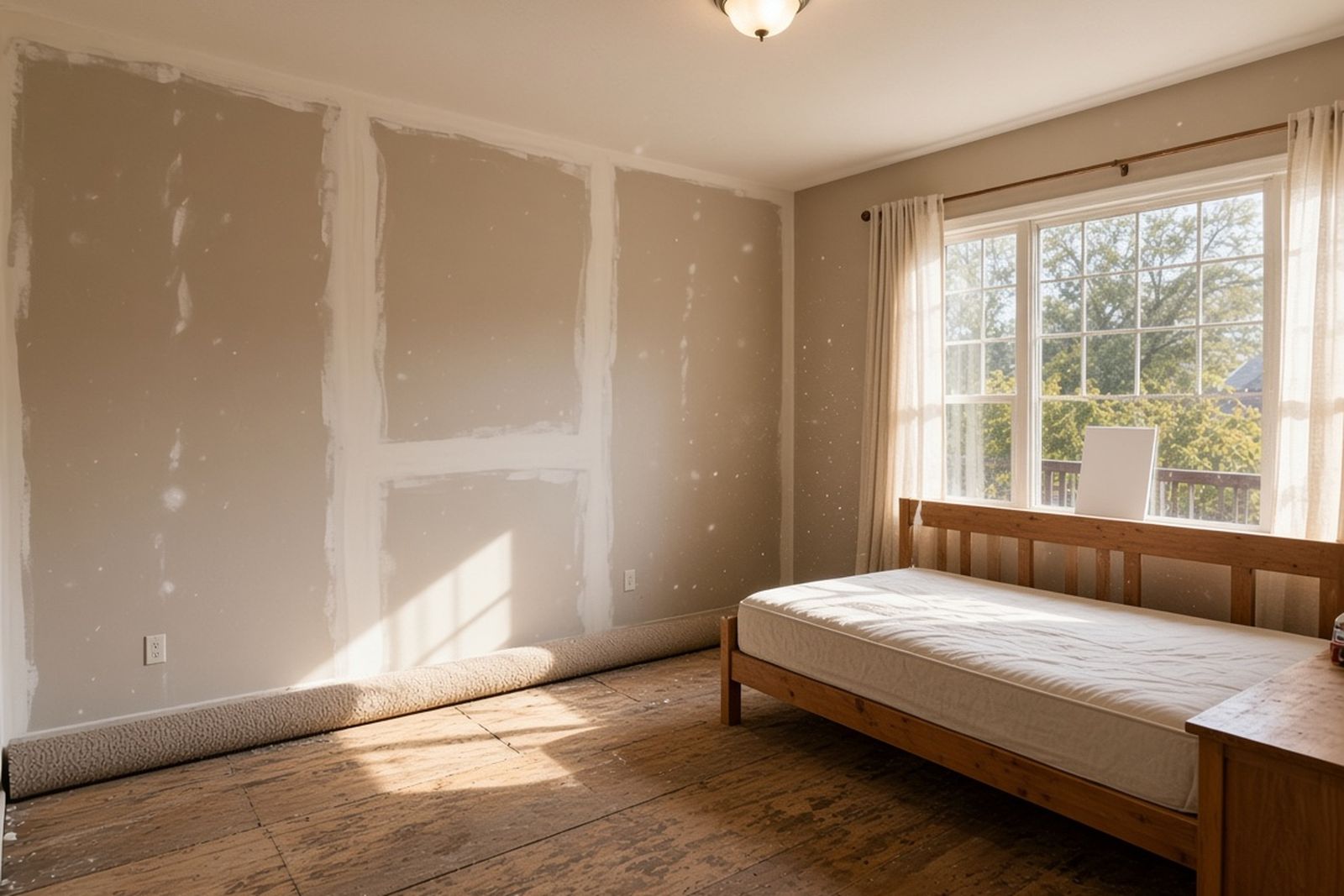
Risk 6 is damage to the building and its contents. A violent event or forced entry can leave damaged doors, loose railings, broken windows, shaky shelving or furniture that could tip. Wet floors and removed flooring create slip and trip hazards. Soaked mattresses and furniture are heavy and awkward. Lifting them in tight spaces causes injuries.
Risk 7 is site security and unexpected items. Your property may not be secure if a lock or window is broken. That matters for crews working inside and for the belongings you left behind. Crews may also come across items that seem out of place, such as ammunition, drugs or something that might matter to the investigation. The safe response is to stop, leave the item untouched and contact the police.
Risk 8: utilities, plus weather and daylight
Risk 8 is utility hazards. Damaged outlets, exposed wiring, broken plumbing or gas appliances that were disturbed need attention before work begins. If a lot of water was used during an earlier attempt to clean, electrical safety matters even more.
Weather and daylight belong in this part of the check too. Outdoor areas such as your porch, driveway and steps can be slippery after rain. Working outdoors at dusk makes small droplets and bits of glass harder to see. Crews may bring portable lighting or schedule outdoor work for daylight hours.
Risks 9 and 10: heat stress and psychological strain
Risk 9 is heat stress. Fluid-resistant suits, respirators and gloves trap heat. In warm homes or during summer, workers can overheat quickly. Supervisors plan work and rest cycles and provide water. They watch for signs of heat illness, such as dizziness, confusion or heavy sweating that suddenly stops.
Risk 10 is emotional strain. Crime scenes carry emotional weight for everyone involved: the crew, you as the owner, your family members and your neighbors. Crime can affect people deeply even when no one is physically harmed. Violent scenes can be harder still.
Professional companies train staff for this work, rotate tasks when needed and offer support resources. For your family, the best protection is often distance. Let trained people handle the scene, and do not take it on yourselves.
A risk assessment in practice
To see the list applied, take an illustrative convenience store job. After an armed robbery, an employee is injured behind the counter. Police release the store the next morning. The owner calls a cleanup company so he can reopen as soon as it is safe.
The supervisor walks the store before work begins. She notes blood on the vinyl floor, the counter and a rubber floor mat. She notes broken glass from a display case and fingerprint powder on the front door, the register and a cooler handle. The rear door lock is damaged. One outlet near the counter has a cracked cover. The store has no air conditioning on a hot day.
Her written plan calls for cut-resistant gloves and a hard container for glass. The rubber mat will be thrown out, and the counter area will be closed off. The plan names a disinfectant and the wet time on its label. Loose powder will be vacuumed with a HEPA filter before wiping. The lock gets a temporary repair before the crew leaves, and an electrician is called about the outlet. The crew gets scheduled cooling breaks. She also advises that employees stay out until the final checks are done.
The store is not a real one. But the example shows you how an orderly review turns ten general risks into specific steps for one site.
What should you ask a company about these risks?
Use the ten risks as a checklist. Ask the company which ones apply to your property and how it will control each. Ask what protective gear the crew will wear and whether workers who use respirators are fit tested. Ask how soiled gear is taken off and bagged.
Ask how they handle sharp objects and how they protect the clean areas of your property. Ask what they do if they find an unexpected item and how they manage heat stress. Ask how regulated waste will be packed and hauled away. Ask whether you will receive a written summary, photos and disposal records at the end.
Clear, specific answers are a good sign. Be wary of vague comfort, or a promise to be in and out quickly without a walkthrough. Either one suggests that hazards may be missed.
What can property owners do safely before the crew arrives?
Keep the affected area closed off, and keep children, pets and employees away. Do not try to clean or move soiled items. If glass or damaged fixtures pose a risk near entry points, mark them or block the way. Do not handle them.
Secure your property as well as you can without entering the affected area. Tell the cleanup company about any damaged locks or windows. Gather the police report number, your insurance information and a list of items you want saved. Then let the crew do its review, and ask them to walk you through what they found.
If you own a business, tell employees plainly that the area is closed and that a trained crew is handling the cleanup. Staff may feel shaken, and some may want to help. Thank them. Point them toward any employee assistance program or counseling your business offers. Do not ask them to help with the scene.