Short answer
A responsible cleanup never trades safety for being green. It removes only what is truly soiled and keeps regulated biohazard waste apart from ordinary debris. It uses registered products the way their labels direct. It keeps rinse water and residue out of storm drains, controls fingerprint powder and records where every bag went. Ask each company how it does these things at your property.
Safety first, then targeted removal
Care for the environment fits into crime scene cleanup as long as the order of priorities is clear. Protecting people from germs carried in blood and from chemical residue comes first. No green goal is a reason to leave soiled material in your home or to cut corners on disinfection.
Within that limit, there is a lot of room for good judgment. A thoughtful crew can cut how much material goes to a landfill or treatment plant. It can avoid chemicals it does not need and keep dirty water out of the environment. It can handle waste so each bag ends up exactly where it should.
These choices often match what you want anyway: less tearing out, lower disposal costs, fewer strong fumes in your home and a clear paper trail.
The biggest environmental decision on most jobs is how much to tear out. Removing a whole room of carpet, all the drywall and every piece of furniture is simple. But it creates a large amount of waste and a large rebuilding bill. Leaving soiled materials in place is unsafe. The responsible path lies between the two.
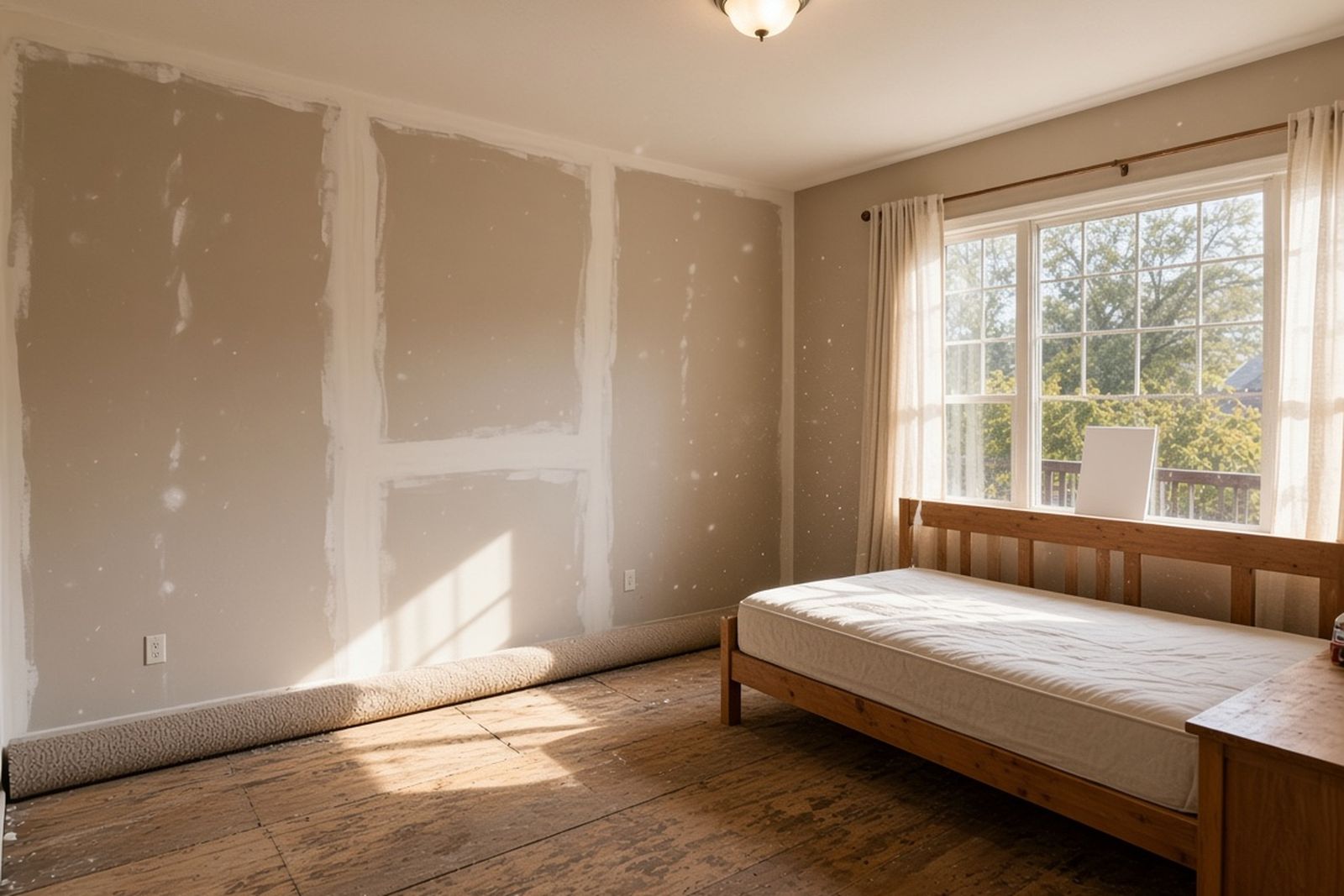
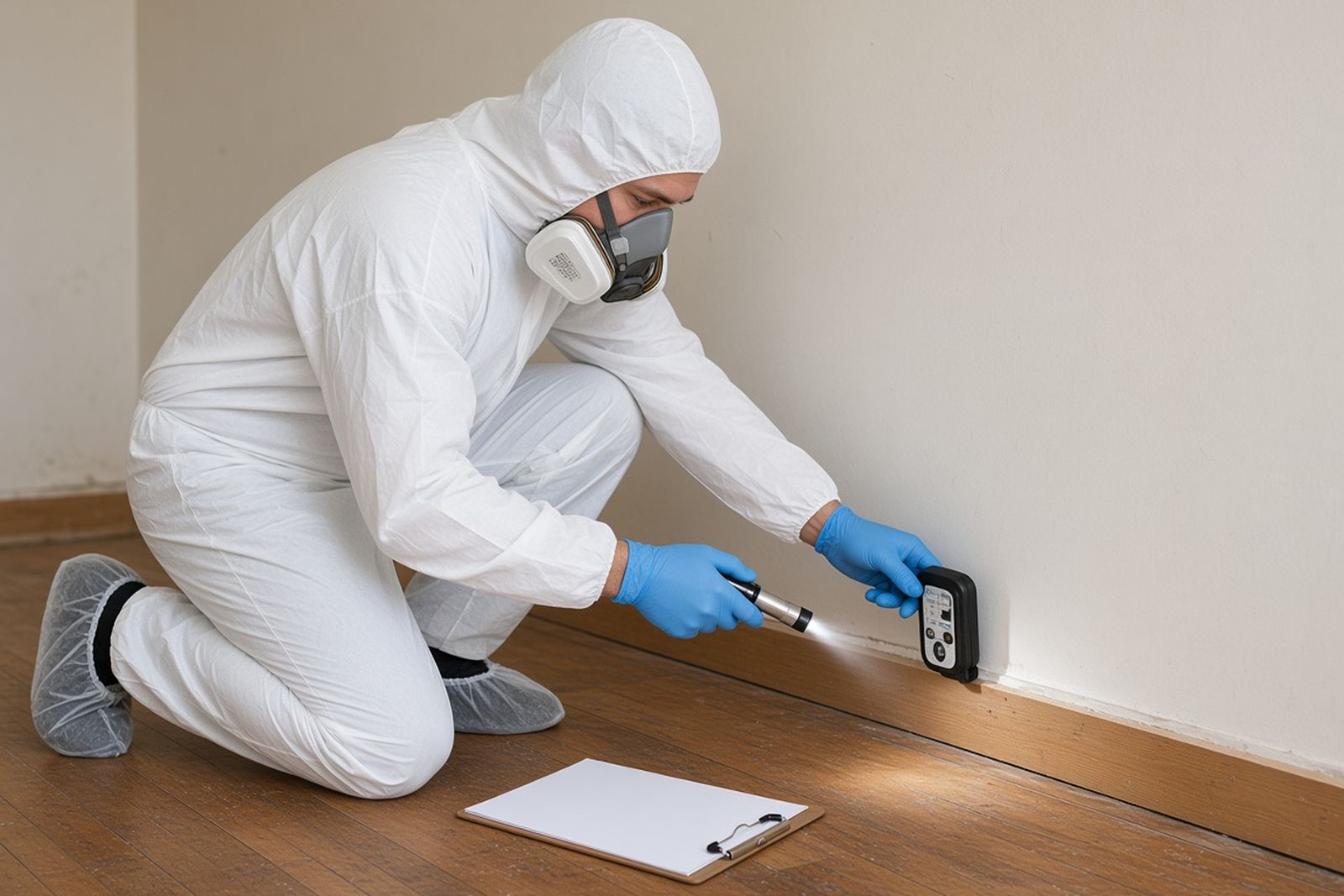
Skilled workers trace where the blood really traveled. They use careful inspection, good lighting and sometimes moisture meters. They cut out the soiled section of carpet and pad plus a reasonable margin. They remove a strip of drywall, not a whole wall. They clean sealed surfaces in place and do not replace them.
Good records support this approach. Photographs show how far the blood reached, with a clear margin around it. They explain to you and your insurer why the crew removed what it did and why it left the rest.
Removing only what is needed also depends on timing. The sooner a crew reaches the scene after police release it, the less time blood has to wick into nearby materials. That means a smaller area has to come out in the end. Delays can turn a modest carpet cut into a full room replacement.
Why does waste sorting matter so much?
Not everything that leaves a crime scene is biohazard waste. Bloody carpet pad, soaked drywall, blood-soiled sharp objects and used protective gear belong with the regulated waste. Clean packaging, clean trim removed to reach the work, and household trash from untouched rooms usually do not.
Items caked with dried blood and blood-soiled sharp objects count as regulated waste, which needs special handling. If ordinary debris is mixed in with it, more material is treated, hauled and disposed of at a higher cost and with more energy than needed. Mixing soiled material into ordinary trash is far worse. It puts sanitation workers and the public at risk.
Ask your cleanup company how it keeps these kinds of waste apart on site. Look for labeled containers, a clear plan for sharp objects and a licensed hauler for regulated waste. The company should know what your state environmental agency and county health department require.
- Regulated waste: blood-soaked soft materials, blood-soiled sharp objects, used protective gear from the affected area
- Ordinary construction debris: clean trim, packaging and clean materials removed to reach the work
- Household items: unaffected belongings, sorted with you for keeping, donating or throwing away
- Recyclables: cardboard and metals that never touched the mess, where local programs accept them
Choosing and dosing chemicals
Disinfectants are pesticides under federal law, and there are many to choose from. The EPA reported in 2025 that more than 4,000 antimicrobial products are currently registered with EPA and sold in the marketplace. With that many options, a crew can almost always find a product suited to the surface and the germs involved. It can also suit the people who will live in the space afterward.
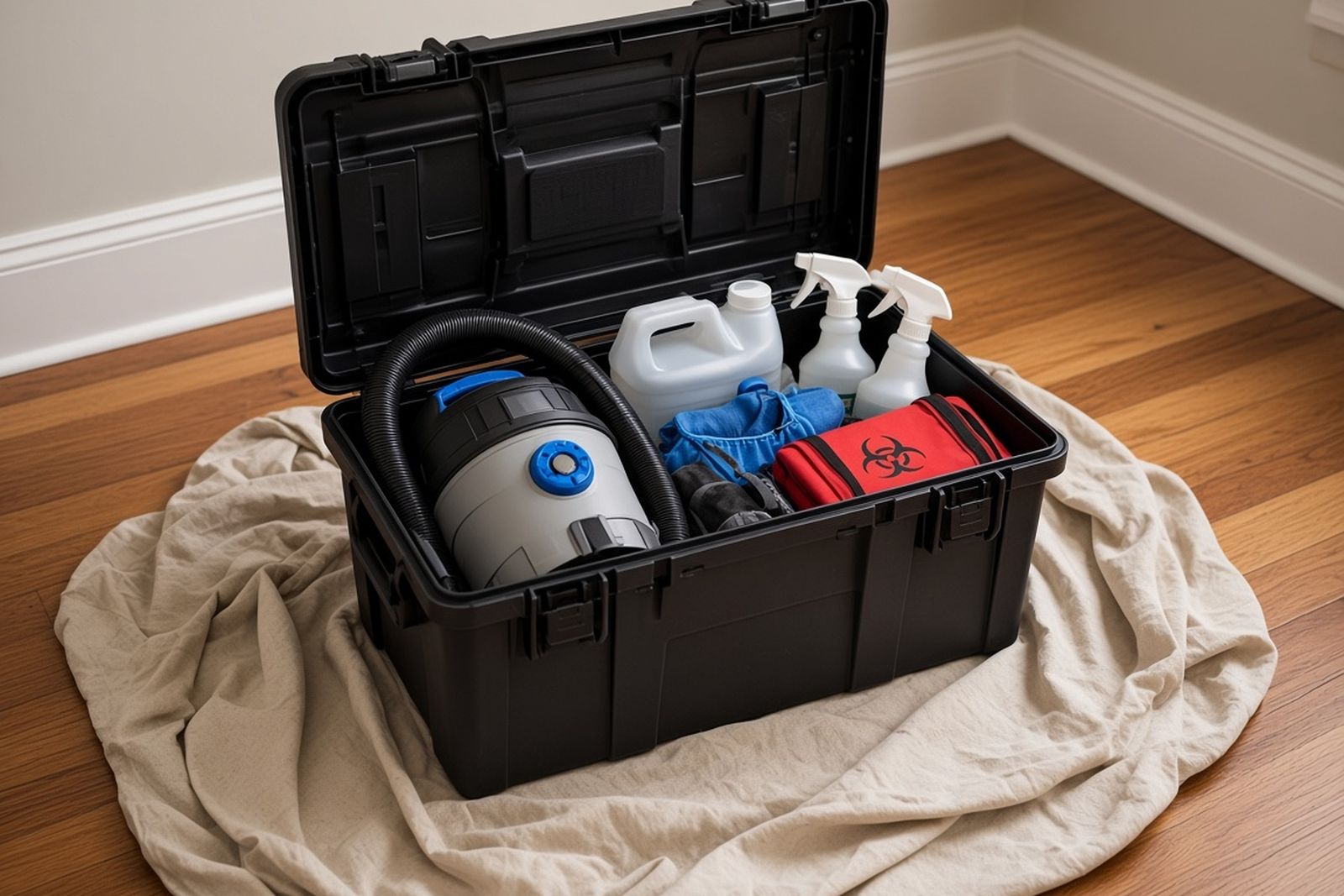
Being responsible here is mostly about discipline. A good crew cleans first, so less disinfectant is needed. It uses the product the label supports for that surface and those germs. It applies the amount the label calls for and keeps the surface wet for the full time the label requires. It does not drench the room. It never mixes products, since some mixes create harmful gases.
Ask the company which products it plans to use and whether safety data sheets are available. Ask how long you should air out the home afterward. If someone in your household has asthma or reacts to chemicals, say so before work begins.
Rinse water, runoff and outdoor scenes
Cleaning blood from hard surfaces leaves dirty water and used wipes. Responsible crews use as little liquid as they can. They capture what they do use with absorbent materials or wet vacuums and dispose of it under local rules. Some places allow small amounts to go into a sanitary sewer, and others restrict it. Your cleanup company should know which applies.
What should never happen is dirty water running into a storm drain, a yard or a street gutter. Storm drains generally flow to local waterways without treatment.
Outdoor scenes need special care. Well-meaning neighbors may have hosed down your driveway, sidewalk, parking lot or porch before professionals arrived. That can spread blood into cracks, soil and drains. A careful crew will close off the area, clean with very little water and collect the runoff. It will check nearby drains and landscaping. That can mean covering a drain or setting absorbent barriers along a lawn edge. It can mean removing a small section of affected sod as regulated waste.
Inside your house, crews also think about plumbing. Pouring used cleaning solution down a sink or toilet may seem harmless. But local wastewater rules differ, and some products should not go down drains at all. A company that can explain where its liquid waste goes is showing you it has thought about it.
Why does fingerprint powder need containment?
Police residue creates its own environmental concern inside your home. Fingerprint powders are fine particles that can float into the air when disturbed. Wiping them with a dry cloth or sweeping them spreads dust into the air and into your heating and cooling system.
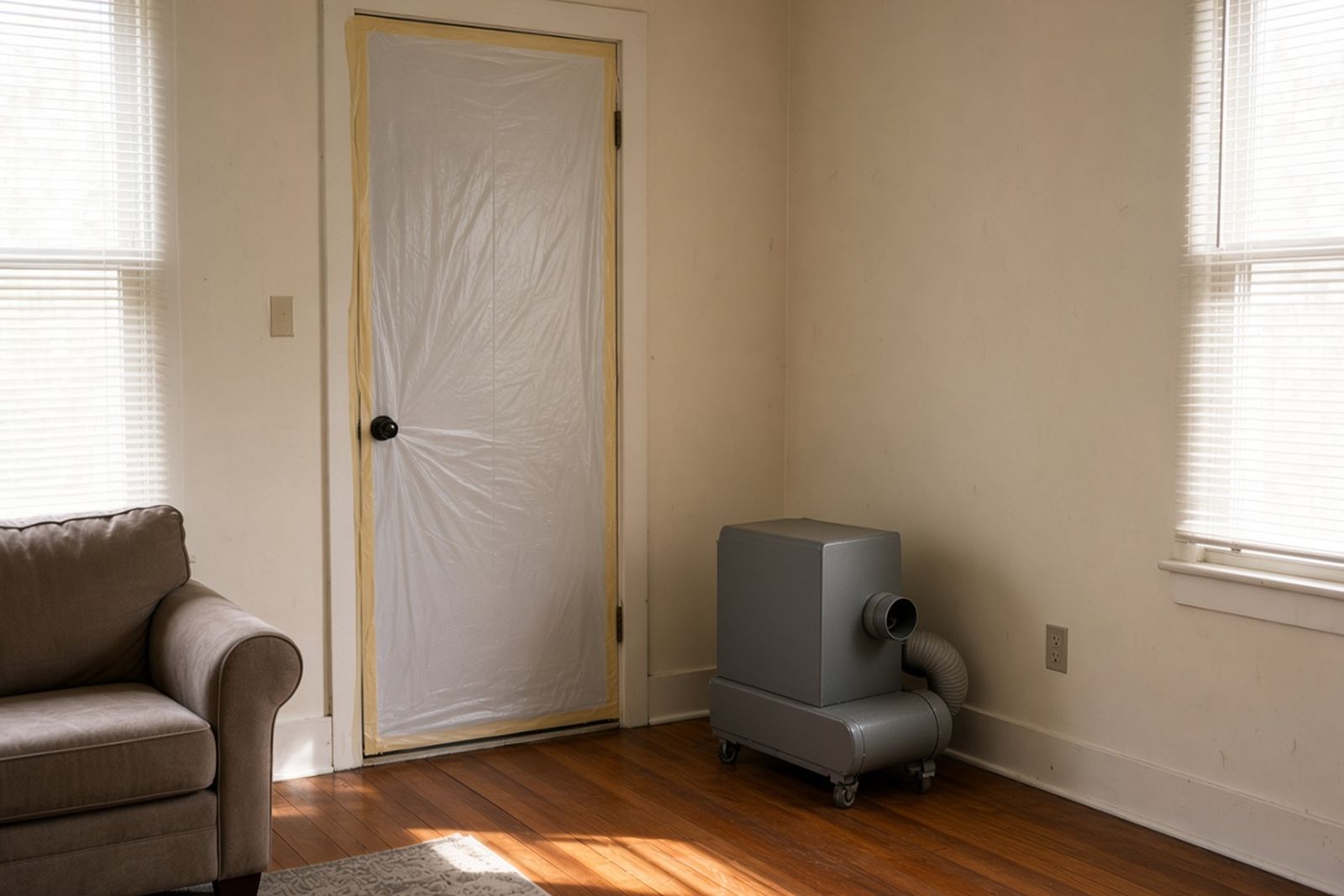
Crews usually vacuum up loose powder first, using a HEPA filter that traps very fine dust. Then they clean the film that is left with products suited to the surface. They may replace the filters in your heating and cooling system and check nearby vents. Collected powder and wipes are bagged and disposed of according to the materials involved.
This step protects the air indoors for the people who will live or work in the space afterward. For most families, that is the environment that matters most right now.
Belongings: clean, keep or donate
After a crime, you may want to throw out everything in the room, and that impulse is easy to understand. But many items were never touched by blood. Others were only lightly affected on a hard surface that can be cleaned. Lamps, framed photos with glass fronts, ceramic dishes, metal tools and hard-shell electronics can often be cleaned and returned to you.
Items that sat in a clean part of the house usually need nothing more than ordinary care. If you no longer want them because of what happened, you can often donate them or give them to relatives. They do not have to go to a landfill. A crew can help by setting these items aside early and keeping them protected while work continues.
Soft items that soaked up blood are a different matter. These include padded cushions, mattresses, pillows and clothing. Trying to save them is rarely worth the risk. They belong with the regulated waste.
The key is that you decide, at your own pace. Green goals should never pressure a grieving or frightened person to keep something that is painful to look at.
How can I tell whether a company takes this seriously?
Ask direct questions and listen for specific answers. A company with a real approach will explain how it decides what to remove and how it sorts waste. It will tell you which products it uses and how it handles liquids and outdoor areas. Be wary of vague claims such as "green cleaning" with no detail. Be wary of companies that seem eager to tear out more than the evidence supports.
Also ask for disposal records, such as a waste log with photographs of what was bagged and where it went. A responsible company can tell you which licensed hauler took the regulated waste. It can give you records showing the waste was handled properly. That paper trail protects you as the property owner. It also confirms that the soiled material left your home and went where it should.