Field guide
Crime Scene Cleanup: Emergency Response Versus Remediation
Learn who is in charge after a serious event. See who handles safety, scene release, urgent fixes, biohazard cleanup, utilities, repairs, and return.
Who this is for: Families, property owners, and landlords who are working with several responders and vendors after a serious event.
Updated 2026-08-01. Rules differ by state and city, so check the details with your local authority.
Ask about your situation
Your request is sent to the follow-up inbox. A coordinator can reply by email. Not for emergencies; call 911 first if anyone is in danger.
In short
The short answer
Emergency response and cleanup solve different problems, so you handle them in order. Call 911 for any immediate threat to life, fire, violence, or active hazard. While they are in charge, follow the directions of police, fire, EMS, the medical examiner or coroner, and health, utility, or building officials. A cleanup company should enter only after the affected area is released and the owner allows it. Its job is then to check the property, control exposure during work, handle affected materials, manage waste, and record the agreed finish line. Security, plumbing, electrical work, structural repair, mental health support, and rebuilding stay separate jobs unless your contract includes them.
Sort out who is in charge before choosing vendors
Your first choice is not which cleaning company to call. It is whether anyone faces an immediate threat, and whether a public agency or the property's owner controls the area. Some events need the right emergency line. These include violence, fire, medical emergencies, chemical leaks, buildings that may collapse, electrical danger, or a person in crisis. Police may protect evidence, and fire crews may control a danger zone. A coroner or medical examiner may control remains. A utility may control service, and a building official may limit who can stay. Their directions and boundaries come before any private cleanup schedule you set.
A short log of who is in charge will save you from confusion later. For each agency or person, write down the contact, what they control, the time, and what is still off limits. “Scene released” should say exactly what is released, whether that is the whole property, one room, the contents, a vehicle, or only a path. Don't assume you have permission just because responders left. The owner or estate may also need to name who can approve cutting into walls or floors. Your log keeps a cleanup contractor, insurer, landlord, or family member from making a choice that isn't theirs by mistake.
Use urgent fixes to stop harm, not to finish the job
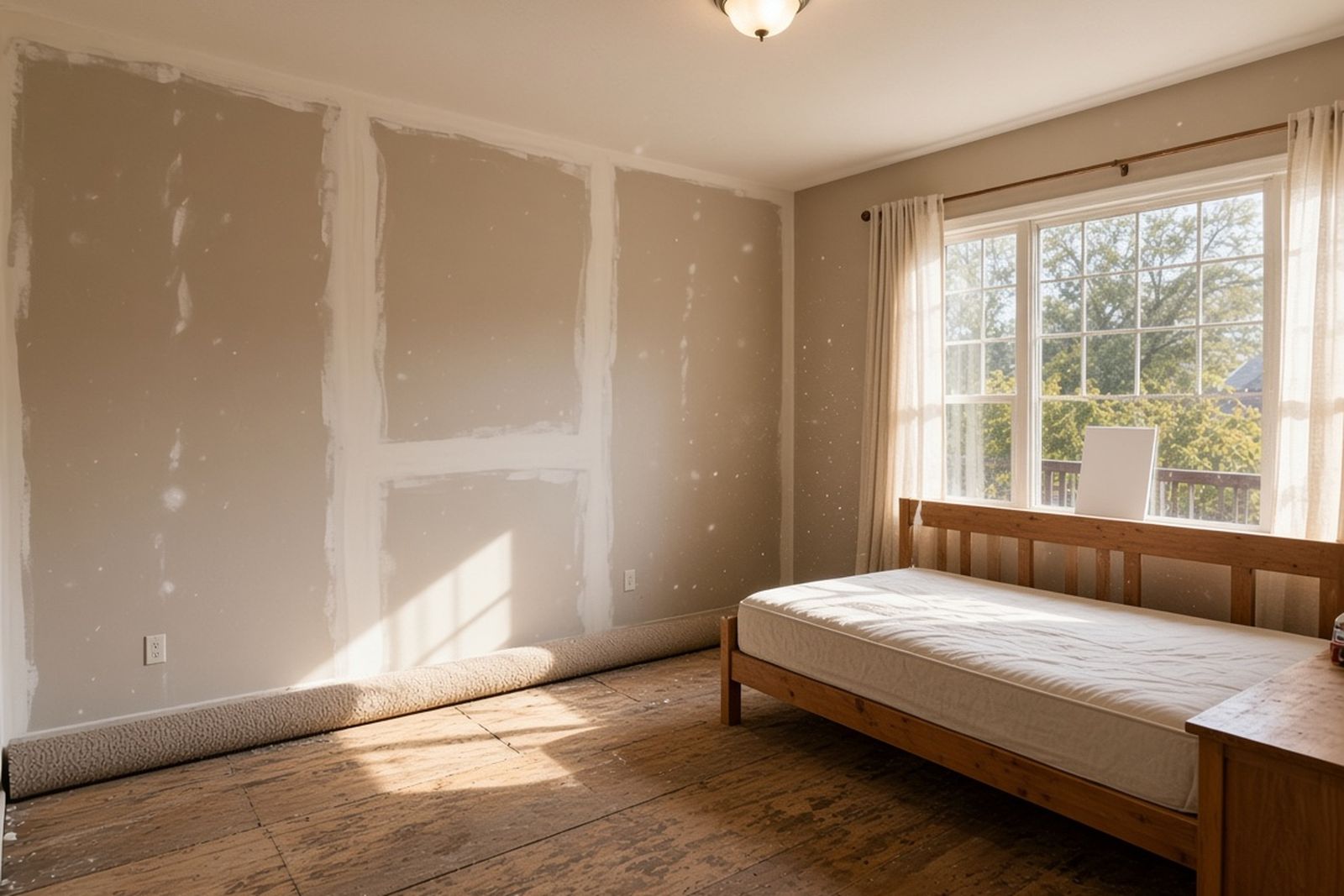
After release, your property may need a few urgent fixes before the full scope is approved. You might limit who can enter or secure a broken door or window, and a qualified trade might stop a plumbing leak at its source. You might protect a clean route, isolate a needle or other sharp object, move an approved essential item, or keep weather out. Urgent fixes should keep your options open and record how things looked at first. They should not disturb evidence, spread material, or cover up affected surfaces. They should not become an open-ended approval for tearing things out. Ask for a record of the purpose, the area, photos, materials used, and what decision starts the next step.
Being in a hurry doesn't mean you skip a clear contract. If work must happen right away, set the largest area it can cover, how labor or price is figured, and who signs. Also set where work stops and what you will receive. A good company explains why waiting changes the risk, and it does not use fear or smell to make a sale. Some damage or soaking-in can keep going. But there is no set clock that makes every material impossible to save. Ask what is changing, how they saw it, and which short-term fix fits the problem.
Start cleanup with a fresh check of the property
When emergency crews leave, you still don't have a cleanup scope. Those crews focus on saving lives, evidence, putting out fires, rescue, or public control. A cleanup check is a separate step, and it should map material you can see and material that may be affected. It should map the paths of responders and people in the home. It should cover soft, absorbent layers, liquids, sharps, utilities, shared areas, contents, and places no one could reach. It should also note what emergency work changed the scene, such as water, fresh air, cutting, powder, medical supplies, or moved objects. These can raise new questions about your property. That does not mean responders did anything wrong.
From that map, a good company plans who can enter your property and what to do with each material. It picks work methods and products, sorts waste by type, and plans its records and how it will check the work. OSHA rules protect covered workers, and EPA-approved labels control how disinfectants and similar products may be used. Neither agency certifies the property or picks the contractor for you. The proposal you receive must turn these rules into a plan for this site. It must also say where other rules need separate checking. That could mean state, local, building, or transport rules, or the rules of the place that takes the waste.
Leave utilities, security, and building systems to qualified people
Many building systems can affect safe work, and most of them are not the cleanup company's to control. These include power, gas, water, sewer, elevators, fire alarms, and sprinklers. They include heating and cooling, refrigeration, and door access systems. A good cleanup team finds these links and stops when a problem is outside its role. You may need someone else to shut off or restore a system. That could be a utility, electrician, plumber, engineer, alarm company, elevator contractor, locksmith, or building operator. Turning equipment on to help drying or airflow can cause harm if no one in charge has approved it. It can spread material or power up damaged parts. It can break a lockout, where a system is locked off for safety, or change evidence.
A status board for each system helps you keep track. Mark each one on, off, locked, damaged, or unknown, and list who is responsible and what must happen before it changes. Make sure your emergency exits and fire safety systems keep working when barriers go up. Work in shared areas should be planned without sharing private details about the event. If the plan includes running heating and cooling, it should name the affected zones, filters, and return vents. It should note which way air should flow and why the system will run or be shut off. Be wary if a cleanup company promises that a new filter solves every duct or shared-air concern.
Keep cleanup, rebuilding, and move-back decisions apart
Several decisions follow a serious event, and you will get better results if you keep them apart. Cleanup deals with affected material and gives a written finish line for its own scope. Rebuilding replaces what was removed and brings back looks or function. Security puts doors, windows, and keys back under control. An insurer decides coverage, and a landlord or owner handles lease duties. In some cases, a building or health official may control who can stay. These choices can happen at the same time, but they should not be merged into one. New flooring can hide a subfloor that still has a problem. A room can look clean and still need electrical repair. Claim approval does not prove an area is ready to use.
Clear handoffs protect you at each step. Your cleanup report should name removed materials, kept surfaces, and open walls or floors, and it should list limits and proof. Your builder should accept those conditions and record any changes before covering them. Then the owner or approved manager decides about moving back in, using the right records and any official directions. Be careful with promises of total safety. A contractor can describe the work done and known limits. But it cannot guarantee every future problem, what people will do, hidden spaces, or unrelated hazards.
Share information with the right people, and no more
Families, workers, tenants, guests, and neighbors each need different information from you. You should name one contact for the work and, where it helps, a separate contact for the family. Keep some information within the smallest group that needs it. That includes emergency details, clinical support, property decisions, claim records, and contractor schedules. Your building notices can explain closed areas and timing. They don't need to name a cause of death or share graphic details. Photos should be taken only for real evidence, claim, scope, or final report needs, and you should store them where access is controlled.
It helps to know what a cleanup company is not. It is not a crisis counselor, investigator, insurer, legal adviser, or spokesperson to the public. It can speak with kindness and send each of your questions to the right expert. If anyone is in immediate danger or crisis, use emergency or crisis services, not the job contact. A clear plan for who talks to whom cuts down on repeat calls and protects your privacy. It also means a grieving person won't have to approve technical changes without support.
End each step by naming who is responsible next
Every step should end with a written record, so you always know who holds the next job. The record includes the date and time, who decides, what was done, and what is still off limits. It also includes the records handed over and the next contact. For emergency response, that may be a release boundary. For urgent fixes, it may be a secured area waiting for a check. For cleanup, it may be an open but well-documented wall or floor ready for rebuilding. For utility work, it may be a tagged system ready for testing. Handoffs keep “someone else handled it” from being the only answer you get months later.
Keep one main timeline for your property, but keep the technical records separate. Include your official releases, access, the property check, the approved work plan, changes, and the product and material records. Where they apply, include waste records. Then add checks of the work, repairs, and move-back decisions. Fix factual errors, but don't copy graphic details into every file. A later reviewer should be able to see who was in charge, what each party did, and what was left. Your record should not suggest that one vendor controlled the whole event.
What to do in each case
Send each problem to the party that controls it.
| Situation | Who leads | Property handoff |
|---|---|---|
| Immediate threat, fire, violence, or medical crisis | 911 or the emergency agency in charge | Record boundaries and wait for a clear release |
| Evidence, remains, or a closed scene | Police, coroner, medical examiner, or the named agency | Record which areas and property are released |
| Broken door or window, leak, utility, or building damage | Security, utility, licensed trade, engineer, or building official | Record urgent fixes and system status |
| Released affected materials | A cleanup company that has checked the site | Hand over scope, material, waste, and completion records |
| Removed surfaces and damaged systems | A qualified rebuilding or specialty trade | Accept the cleanup conditions before covering the work |
| Return to use | Owner or approved manager, with input from officials as needed | Record limits, duties, and follow-up checks |
Checklist
- 1Call the right emergency line for any immediate danger.
- 2Record every agency, contact, boundary, and limit.
- 3Confirm who can approve property access and cutting into walls or floors.
- 4Limit urgent fixes to a written purpose, area, and stop point.
- 5Ask for a fresh check of the property after responders leave and the scene is released.
- 6Map utilities, building systems, shared routes, and the trades in charge.
- 7Get a cleanup scope and worker safety plan made for this site.
- 8Keep insurance coverage separate from property and safety choices.
- 9Close out cleanup before rebuilding covers walls and floors.
- 10Share only needed information, with a clear plan for who tells whom.
- 11Name an owner and a set of records for every handoff.
- 12Record move-back decisions without promising total safety.
Common questions
When can a cleanup company enter a crime scene?
Only when two things are true. The right agency must release the area the company needs to enter, and the person with authority over the property must allow access. Release may cover only part of the scene, and it may leave out objects, rooms, vehicles, or records. A good contractor confirms and writes down the boundary instead of guessing. Some hazards may need another agency or a qualified trade, even after police release the scene. These include building damage, utilities, fire systems, or chemicals.
What can urgent fixes include?
They can include small, limited steps after release that protect people or keep things from getting worse. Examples are limiting entry and keeping weather out. A qualified trade might shut off a leak at its source. You might protect shared areas or, with approval, secure needles and other sharps. The exact step depends on who is in charge and the site. Urgent fixes should record how things looked at first, leave room for a later full check, and have a stop point. They should not turn into unapproved tear-out, disturbed evidence, or a vague approval for the full cleanup.
Do the fire department or police set up the cleanup?
It varies, so don't assume any general rule. Emergency agencies control public safety, evidence, or the scene, but they don't always choose or endorse a private cleanup company. Ask the agency in charge what it controls and whether the area is released. Ask whether it offers any official list or referral process. The person who makes property decisions should check the company on their own. That means checking its work plan, insurance, worker safety steps, where the waste goes, the pricing, and what proof of completion you will get.
Can cleanup and rebuilding happen at the same time?
The work can overlap in areas that weren't affected. But affected walls and floors need a written cleanup finish line before new material covers them. Set boundaries, photos, inspection points, and who is responsible at the handoff. Your builder should not remove or cover material outside its job without approval. A cleanup company should not suggest that new finishes are included unless they are in the contract. Keeping records and sign-off points separate protects both the quality of the work and your claim review.
Who decides when people can move back in?
It depends on ownership, the lease, workplace duties, official limits, the building's condition, and the hazards involved. A cleanup company can record the work it finished and its limits, but it should not claim control over every move-back decision. The owner or approved manager should combine the final report with any other facts that apply. That may include utility, structural, fire safety, and health facts, access for people with disabilities, and official directions. Then they should record any closed rooms or follow-up conditions.
Should I board up or secure the property myself?
You can secure the outside of the property after release, for example by locking doors or covering a broken window. Keep your work away from the affected area. Don't go inside the restricted space, move items, or clean while you're securing the property. If securing it means going near affected materials, use a qualified contractor instead. Record what you did, and tell the remediation provider about it.
Who should be the single contact during the transition?
Pick one person with authority over the property to talk with the authorities, the providers, and the insurer. Usually that's the owner, the property manager, or an authorized representative. Having one contact prevents conflicting instructions and repeated calls to people who are grieving or overwhelmed. That person should keep the log of authorities, decisions, and restrictions, and pass updates on to anyone else who needs them.
Sources
These official sources back up the safety and process points above. Use them when you talk with your local office or a cleanup company.
Use this guide with the planning tools
Open the first 24 hours planner to get an ordered list of who to call, what not to touch and what to photograph. When you are ready to compare providers, the vetting checklist turns the questions in this guide into a list you can send.
Related articles
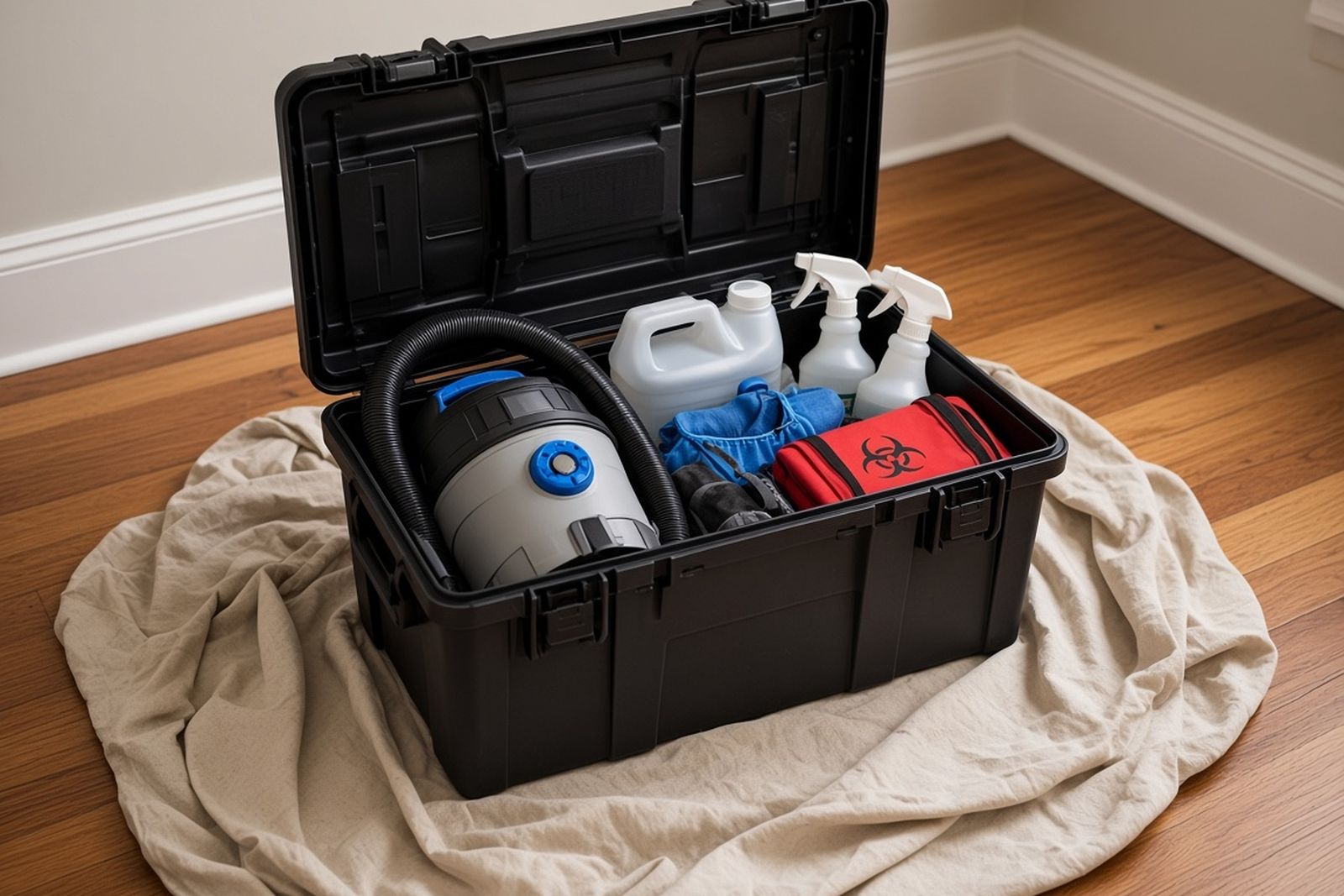 What to Expect During Professional Crime Scene CleanupProfessional crime scene cleanup usually follows a clear order. Police release the scene. A company inspects it and writes a work plan. The crew closes off the area and puts on protective gear. It removes soiled materials, cleans police residue, disinfects what remains, packs the regulated waste and checks the results. You should get records and a clear account of what was cleaned, removed and left for repair.
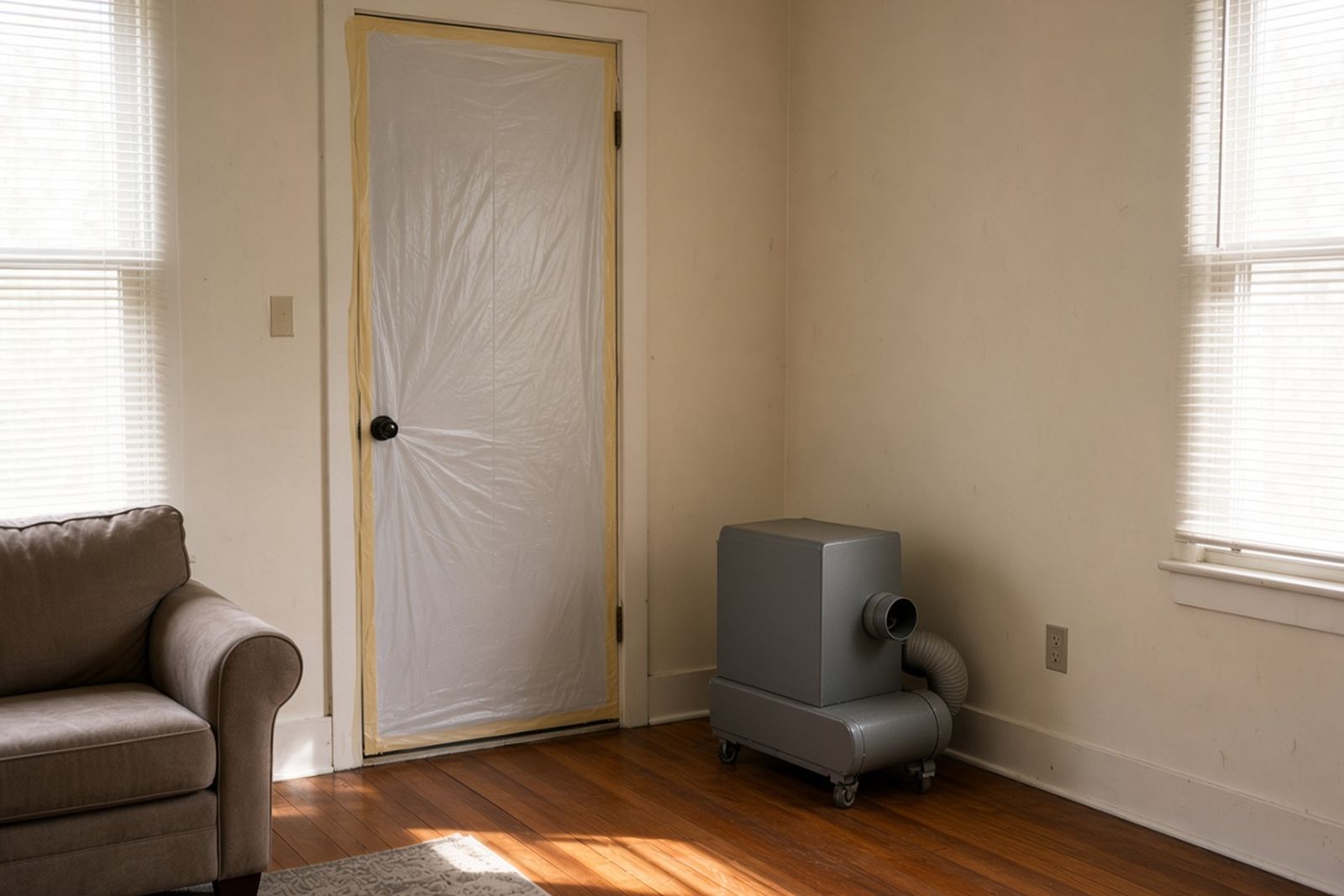 How to Evaluate Equipment Proposed for Crime Scene CleanupFor each item on the list, ask what it does, why your scene needs it and how its use will be recorded. Protective gear should match the hazards. Disinfectants should be EPA-registered for germs carried in blood and used as the label directs. Air filtering should fit the work, and the tools used for final checks should leave you with records. Be wary of equipment that is vague, excessive or unexplained.10 Crime Scene Cleanup Safety Risks to Assess Before Work BeginsBefore cleanup begins, someone should check ten risks. They are germs carried in blood, sharp objects and broken glass, hidden blood, chemical hazards and dust in the air. They also include damage to the building, site security and unexpected items, utility hazards, heat stress in protective gear and emotional strain. A good company finds each risk during its walkthrough. It tells you how it will control each one and writes the plan down before work starts.
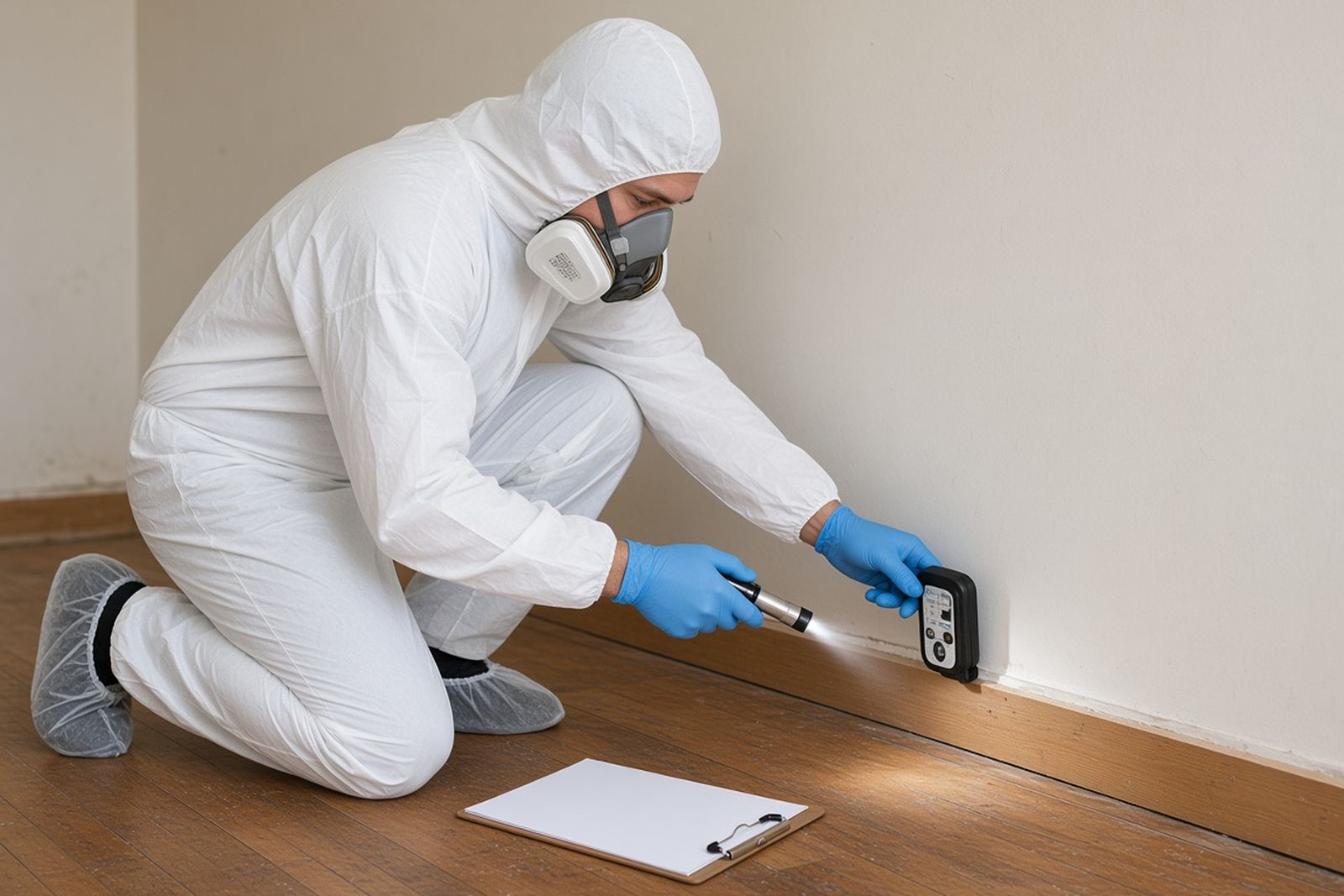 OSHA Regulations and Crime Scene CleanupOSHA rules apply to employers, not to you as a property owner. For crime scene cleanup, the key federal rule is the Bloodborne Pathogens Standard. It requires a written exposure control plan, training, an offer of hepatitis B vaccine, protective gear and records. Rules on breathing protection, general protective gear and chemical hazards also apply. You can ask a company to show how it meets each one before work begins.Red Flags When Hiring Crime Scene Cleanup ServicesThe biggest red flags are companies that approach you uninvited, hint that they work for the police, or promise that victim compensation or insurance will pay. Watch for quotes given without seeing the scene and plans that ignore fingerprint powder and forced-entry damage. Be wary if a company cannot show where regulated waste will go. A company you can trust waits for the police release, puts its work plan in writing and protects your privacy.When ATP Testing Helps—and When It Does Not—in Crime Scene CleanupThis quick swab test checks hard, sealed surfaces for leftover organic residue after blood has been removed. It does not detect germs carried in blood or prove that disinfection worked. It does not check for fingerprint powder or police test chemicals. It cannot see inside carpet, drywall or subfloor. Treat the readings as one piece of evidence inside a written plan for checking the work, not as a certificate of safety.