Field guide
Crime Scene Cleanup: Rental Turnover Guide
A landlord's plan to turn over a unit after a crime scene. It covers release, tenant items, access, cleanup, insurance, repairs, records, and re-renting.
Who this is for: Rental owners and property managers who must turn over a unit after a crime scene.
Updated 2026-08-01. Rules differ by state and city, so check the details with your local authority.
Ask about your situation
Your request is sent to the follow-up inbox. A coordinator can reply by email. Not for emergencies; call 911 first if anyone is in danger.
In short
The short answer
Do not move a rental straight from official release to make-ready work. First write down the exact area released, and keep your building control apart from tenant or estate rights to belongings. Keep maintenance and leasing staff out. Check affected rooms, soft, absorbent materials, responder paths, shared systems, belongings, and common halls. Use a written cleanup scope covering worker safety, product labels, waste, custody of belongings, checks, and sign-off before repairs cover bare surfaces. Insurance, lease responsibility, deposits, disclosure, fitness to live in, and future leasing are legal or contract matters the cleanup company cannot decide. Rent again only once cleanup, rebuilding, systems, security, and management approval are on record.
Pause the usual turnover steps until you know who is in charge
After a crime or traumatic event, your first move is to stop the automatic steps for the affected unit. Stop work orders to get it ready to rent, vendor access, and lock changes. Stop photos, showings, inspections, and trash-outs, and take the unit off online listings. Emergency and official orders come first. Save your records of lawful entry and key or smart-lock activity. Save maintenance tickets, any related camera footage, photos already taken, and messages about the unit, and keep all of these under limited access. Your staff should not go in just because the tenant moved out, the lease ended, or responders left.
You will avoid mistakes if you name one person for each role. You need a contact with officials, a person who makes property decisions, a tenant or estate contact, and an insurer contact. You need a cleanup lead, a construction lead, someone who owns the hold on leasing, and someone who keeps the records. Ask your team to use neutral words like "restricted unit" or "approved property work." Neighbors, rental applicants, and unrelated vendors do not need details about what happened. Your goal is to stop automatic turnover from causing harm while real property choices get sorted out. That harm could mean destroying evidence, moving belongings, exposing workers, or posting private images.
Keep the scene release apart from landlord, tenant, and estate rights
A release tells you what officials no longer control, and nothing more, so record it exactly. Write down who released the unit and exactly which rooms and objects were included. Note the date, time, and any limits still in place. The release may leave out personal items, electronics, a car, a storage space, or a nearby path. It does not settle who owns things or who is responsible under the lease. It does not decide if the unit was abandoned, what comes out of the deposit, insurance coverage, or what must be disclosed. Get advice from a qualified lawyer on access, notice, belongings, the tenancy, the estate, and fair housing. Ask about privacy and future leasing too. Do not ask a cleanup contractor to sort out those questions for you.
A chart of who decides what will keep you from stepping on someone else's rights. List emergency access, opening walls or floors, the landlord's finishes, and the tenant's own upgrades. List personal items, storage, and throwing things away. List talks with the insurer, repairs, sign-off, and putting the unit back on the market. Name the person who signs for each. A tenant or estate may control belongings while you, as the owner, control the building itself. Officials may still restrict certain objects. Write down any disputes and keep the items safe. Do not treat a business deadline as if it gave you permission.
Check the unit, building paths, and anything moved before the pause
The check should cover your unit and every path that leads out of it. Map the rooms that are affected or may be affected, including floor layers, baseboards, and the spaces inside walls. Include cabinets, fixtures, heating and cooling, plumbing, and units below or next door. Include hallways, elevators, stairs, laundry, storage, parking, and trash routes. Write down the paths used by responders, people living there, maintenance, movers, pets, and vendors. Belongings, tools, vacuums, carts, keys, or trash may have moved before the unit was closed off. If so, find them so they can be checked. Keep known contact apart from possible paths, and note clean areas that were protected during the response.
You should not assume a unit next door is affected just because it shares a wall, a duct, an odor, or an address. Define the path you are worried about, which might be liquid, foot traffic, air, pests, or a service line. Then define the question an inspection will answer. Building engineers or specialists may need to check the systems. Lawful notice and access rules still apply to your other units. Write down areas no one could reach, and do not leave them out of the final record. Do not use broad fear to justify work across the whole building.
Keep maintenance and make-ready staff under the employer's safety rules
Your usual turnover workers are not set up to handle affected material with their normal steps. That goes for maintenance staff, painters, cleaners, flooring installers, pest control, and trash-out teams. OSHA's Bloodborne Pathogens standard applies when workers face covered exposure to blood on the job. OSHA has spoken about contractor workers who clean blood after crime scenes. Employers must review the tasks and provide the right work habits, protective gear, and training. They must have a plan if someone is exposed, along with other safety steps. A contractor wearing protective clothing does not mean everyone else may go in.
Simple site rules protect your staff and your building while the work goes on. Ask for a clean area for staging gear, and limit who can enter. Use a sign-in sheet and control the keys. Set a route for debris and a way to clean tools, lock up each day, and keep emergency exits clear. Using a respirator mask can require its own separate program, and chemicals require hazard warnings and following the label. Check that subcontractors have the right insurance for their part of the job, whether that is cleanup, waste, belongings, testing, or rebuilding. Your leasing staff only need a simple hold on the unit. They should not get graphic reports or access to the work area.
Keep building materials, belongings, waste, and repairs separate
The cleanup scope you sign should give a choice for each material. The choices are clean, remove, open, keep, protect, or send to a specialist. This covers flooring, carpet pad, subfloor, drywall, insulation, trim, cabinets, and appliances. It covers furniture, fabric-covered pieces, papers, electronics, and other belongings. Product names and EPA numbers should match the current label, which sets the uses, surfaces, mix, contact time, and safety steps. Fogging, a nice scent, paint, or a broad "sanitize" line cannot replace removing the heavy material. They also cannot replace checking soft, absorbent layers.
Belongings and waste need their own records, kept apart from your building work. Make a list of personal items. For each, note who can decide about it, where it was, and what shape it is in, with photos that are not graphic. Note who has it, how it is packed, where it is stored, and if it will be returned, sent to a specialist, or thrown away. Keep tenant items apart from landlord fixtures and items held for evidence. Waste may come in several types. It may include sharp objects and material with blood and other body fluids that can carry disease. It may also include building debris, chemicals, reusable gear, and ordinary items. Set the route out of the unit, who hauls it, where it goes, and what records come back to you. Rebuild prices and finish choices should not be hidden inside the cleanup total.
Set a cleanup hold point before make-ready repairs
Before new flooring, drywall, paint, cabinets, or trim go in, you should check that the records line up. Look at the final area map, approved changes, what was removed and what stayed, and which products were used. Look at belongings and waste records, when they apply, and at the photos, the inspection, and any focused checks. Note areas no one could reach and any limits still in place. No single check can prove every hidden or future problem. That goes for one odor check, one walk-through, or a product receipt. It also goes for a quick swab test that shows leftover organic residue (it does not detect germs). The sign-off you accept should state exactly what the cleanup proof supports.
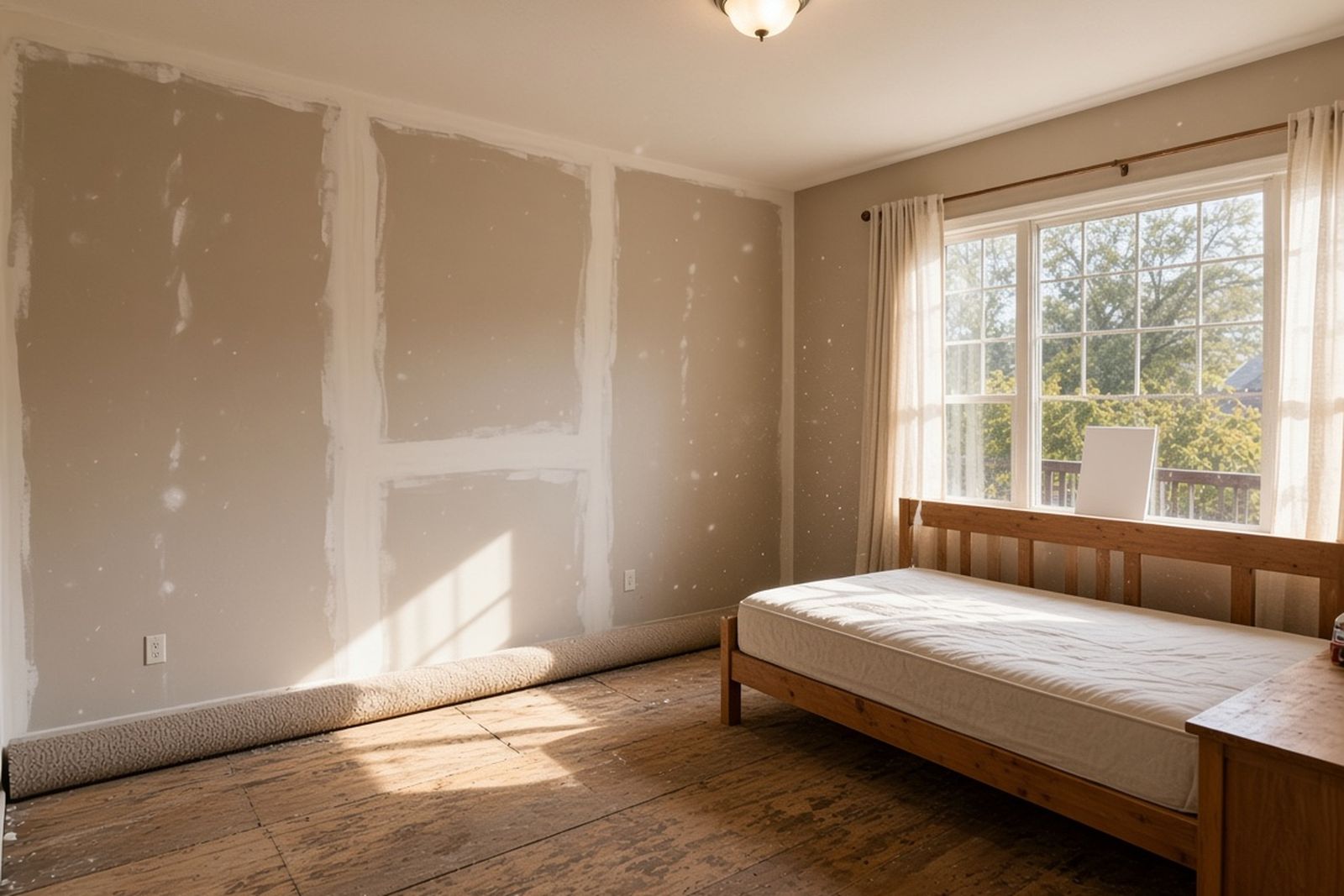
Rebuilding comes next, and it is a different job with its own rules. It deals with the structure, wiring, plumbing, and heating and cooling. It covers fire blocking, access for people with disabilities, permits, inspections, moisture, finishes, appliances, and warranties. Make sure your cleaned surfaces are protected from dust, wet work, tools, and foot traffic. Insurance approval does not mean the work is done. Choices about the security deposit or who is at fault should not change the agreed finish line for the job. If repairs turn up a new problem, stop and take photos. Then send it through the agreed process for changes.
Put the unit back on the market through a recorded management decision
Your final unit file should tie the whole story together, so you can answer questions about the unit years later. It starts with the official release, lawful access, the review, and the work plan. It includes changes, safety steps for staff and vendors, materials, belongings, products, and waste. It includes checks, the cleanup sign-off, and repairs. It ends with systems, security, limits still in place, and who is responsible. Keep private records apart from your normal maintenance history. Give each person only what the law, a contract, or real business needs require. Fix any factual mistakes, and keep past versions rather than quietly rewriting the file.
Putting the unit back on the market should be a choice you make on purpose and write down. Management should confirm that locks and utilities work. It should confirm fire and life safety, heating and cooling, and plumbing. It should confirm that pests are under control, that appliances and repairs are done, and that the unit is clean. It should confirm any required inspection, and legal or disclosure advice. Then it can check that the unit is ready in your leasing system, and record the approval and the date. Do not advertise the unit as totally safe, promise odors will never return, or rely on new finishes as proof. A solid turnover shows each step. The unit moves from closed off, to cleanup and repairs, to a recorded choice about its use.
What to do in each case
Turning over a rental needs separate choices about who is in charge, cleanup, building work, and leasing.
| Turnover choice | Proof you need | Who owns it |
|---|---|---|
| Official and property access | Release area, lawful notice, keys and access log | Contact with officials and the person who makes property decisions |
| Tenant or estate belongings | Item list, who owns or controls it, who holds it, what happens to it | Approved tenant, estate, owner, or official |
| Cleanup boundary | Material map, safety steps, products, waste, checks | Qualified cleanup company and property signer |
| Repairs | Approved bare surfaces, permits, systems, finishes, inspections | Construction lead and owner |
| Legal and insurance | Advice on lease, claim, deposit, disclosure, and privacy | Qualified advisers and the parties to the contract |
| Back on the market | Systems, security, limits still in place, management sign-off | Approved property manager |
Checklist
- 1Pause automatic work orders, vendors, showings, and listings.
- 2Save records of keys, access, cameras, maintenance, and officials.
- 3Write down the exact release area and any limits.
- 4Keep landlord control apart from tenant, estate, and evidence rights.
- 5Map unit materials, paths, shared halls, and gear that was moved.
- 6Keep regular maintenance and leasing staff out of exposure work.
- 7Ask for separate scopes for materials, belongings, waste, and rebuilding.
- 8Check products against current EPA-approved labels.
- 9Use a cleanup hold point before repairs cover bare surfaces.
- 10Keep insurance, lease, deposit, and technical choices separate.
- 11Check systems, repairs, security, inspections, and limits.
- 12Record management approval before listing the unit again.
Common questions
Can a landlord go in after police release the unit?
Not on that basis alone. Official release lifts one limit, but it does not settle the lease or notice rules. It does not settle the tenancy, the estate, belongings, privacy, or evidence rights. Confirm the exact area that was released, and get advice from a qualified lawyer about access to the property. Use a named signer and an access log. Emergency work to make the building stable may fall under different rules. Throwing out personal items or tearing out materials may follow other rules too, so record each one on its own.
Can the landlord throw everything out during the trash-out?
Not on its own. Several things decide what happens to items. These include who owns them, the lease, whether the unit was abandoned, and the estate's status. They also include evidence limits, contamination, and the law that applies. Make a list of items and a plan for who holds them, based on approved choices, with photos that are not graphic. Plan for storage, specialist review, return, and disposal. Some items may need special handling, such as legal papers, medicine, electronics, firearms, ID, keepsakes, and items tied to evidence.
Does new flooring prove the unit was cleaned properly?
No. New flooring shows building work, not what happened to the old floor. It says nothing about the old floor, pad, seams, subfloor, baseboards, or nearby parts of the building. Before the new floor goes in, save the records. Keep the area map, the reasons for each removal, the photos of bare surfaces, the methods, and the products. Keep the waste records, inspection, checks, and limits. Rebuilding should start only after you accept the cleanup hold point.
Who pays for crime scene cleanup in a rental?
It depends on contracts, lease terms, who owns the property, insurance, cause, the law that applies, and other facts. The cleanup company should not decide who is legally at fault, and it should not promise coverage. Keep work to protect the property moving, within the proper approvals. Meanwhile, owners, tenants, estates, insurers, or lawyers can sort out who pays. Keep your costs separate for cleanup, belongings, waste, testing, repairs, storage, and lost rent. That way the dispute does not blur the work record.
When can the unit be advertised again?
Wait until the property has finished or handed off each step. These steps include scene limits, cleanup, repairs, systems, and security. They include inspections, legal or disclosure review, and any rules for living there. Management should sign and date the choice, and then lift the listing hold on purpose. A bill, the lack of odor, or finished cosmetic work is not the full record. Do not make safety promises in ads that you cannot back up.
Should the locks be changed after release?
Often, yes, but coordinate it with the people who have authority over the unit and the belongings. Changing locks can protect the space and the contents, but it can also affect a tenant's or estate's access rights. Record who holds each key, when the locks changed, and who approved it. Give authorized parties access through a documented process instead of leaving spare keys with maintenance.
What should the landlord keep in the unit file?
Keep the release record, the authority and access log, the remediation scope, change orders, the closeout report with photos, contents inventories, waste records, reconstruction records, and management's approval to re-list. Store the file where it can be found years later, and restrict access to protect privacy. A complete file helps with future inspections, insurance questions, and tenant concerns without anyone having to rebuild the history.
Sources
These official sources back up the safety and process points above. Use them when you talk with your local office or a cleanup company.
Use this guide with the planning tools
Open the insurance claim organizer to keep the paperwork orderly from the first call to the carrier decision. When you are ready to compare providers, the vetting checklist turns the questions in this guide into a list you can send.
Related articles
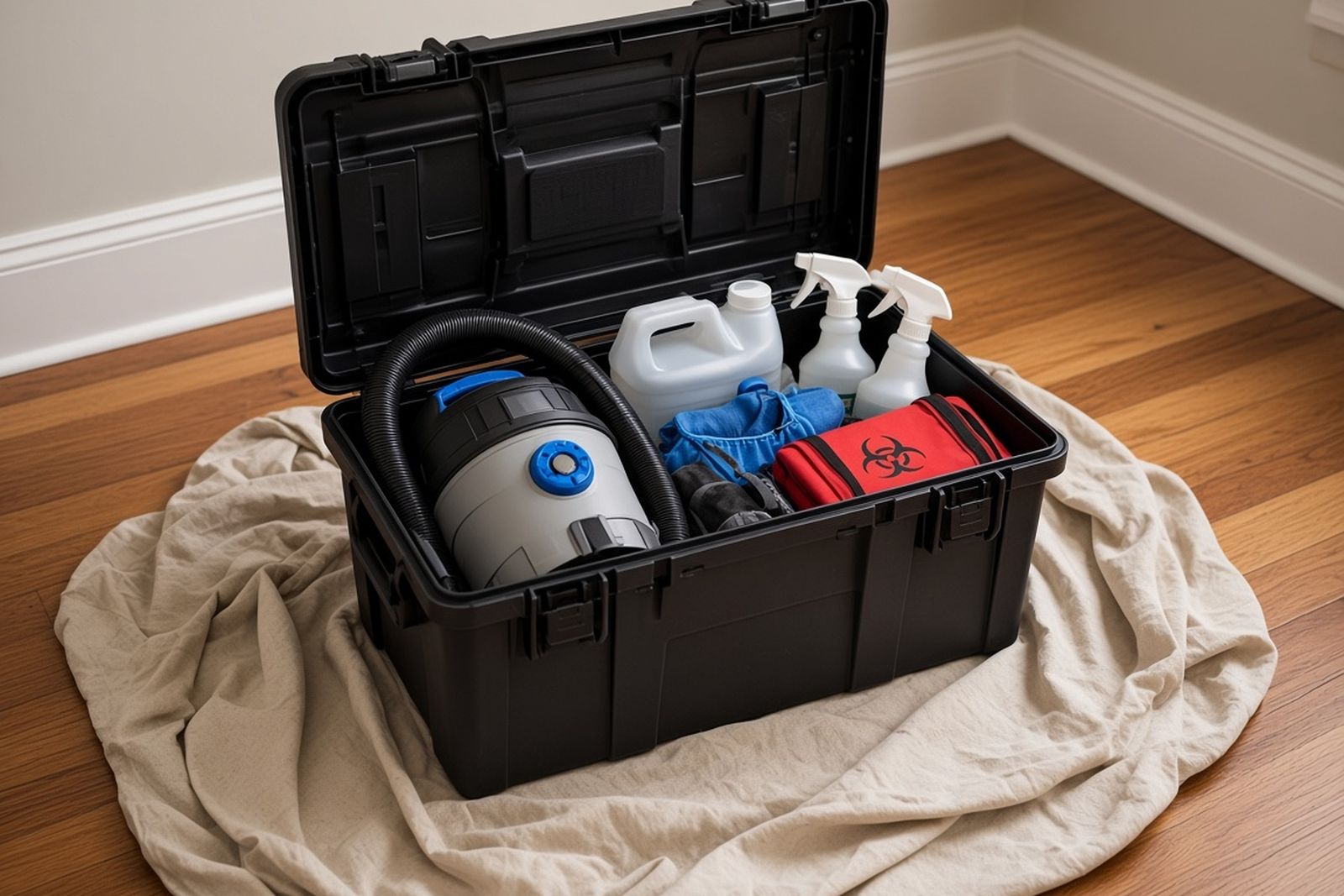 How to Evaluate Equipment Proposed for Crime Scene CleanupFor each item on the list, ask what it does, why your scene needs it and how its use will be recorded. Protective gear should match the hazards. Disinfectants should be EPA-registered for germs carried in blood and used as the label directs. Air filtering should fit the work, and the tools used for final checks should leave you with records. Be wary of equipment that is vague, excessive or unexplained.
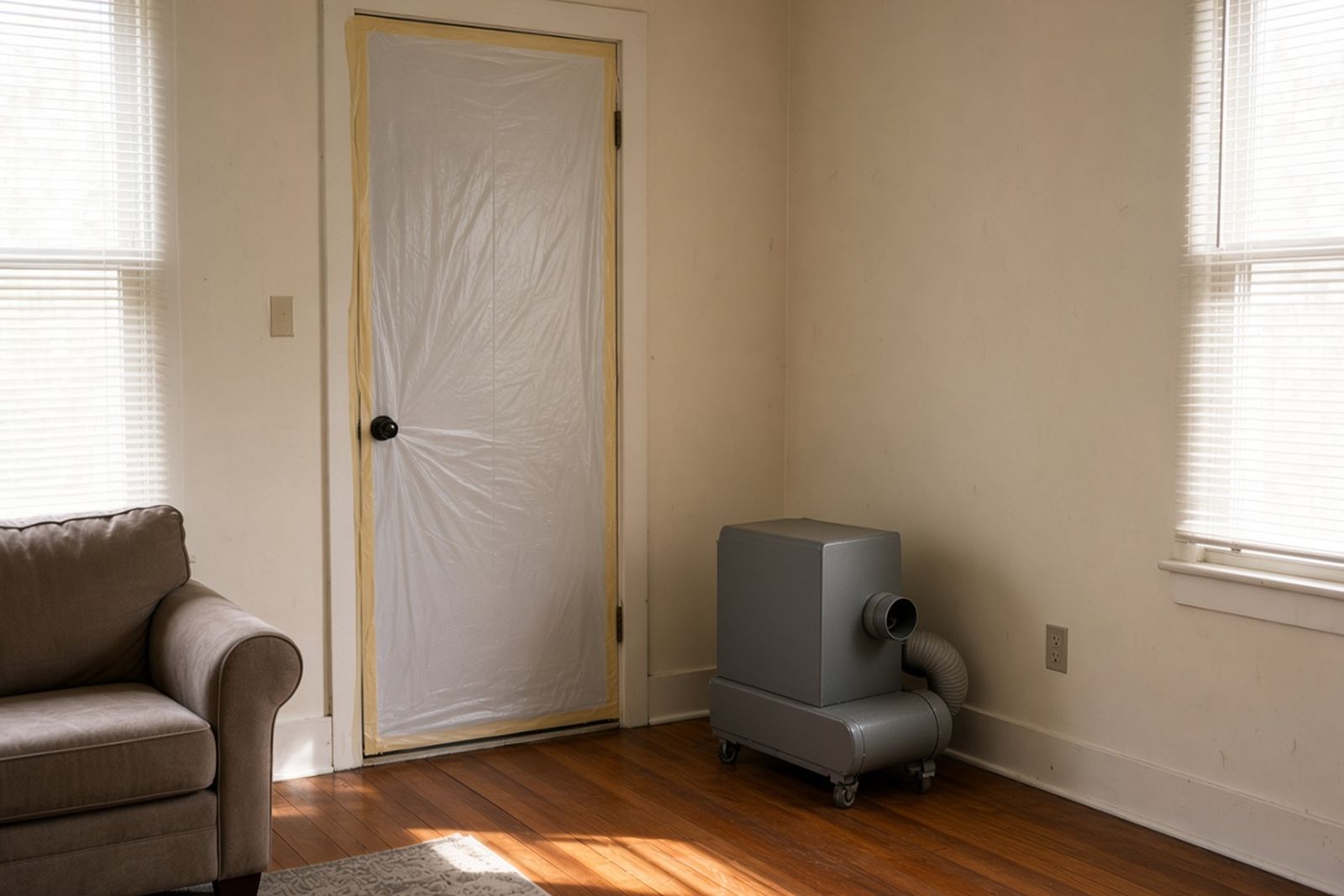 10 Crime Scene Cleanup Safety Risks to Assess Before Work BeginsBefore cleanup begins, someone should check ten risks. They are germs carried in blood, sharp objects and broken glass, hidden blood, chemical hazards and dust in the air. They also include damage to the building, site security and unexpected items, utility hazards, heat stress in protective gear and emotional strain. A good company finds each risk during its walkthrough. It tells you how it will control each one and writes the plan down before work starts.What Drives Crime Scene Cleanup Cost?Your cost depends mostly on how far blood and other fluids spread and which materials soaked them up. It also depends on how many workers and hours the job needs, whether police residue must be removed, and how much regulated waste leaves the site. Emergency timing and access matter too. Ask for a written, itemized work plan so you can see which of these shape your price.
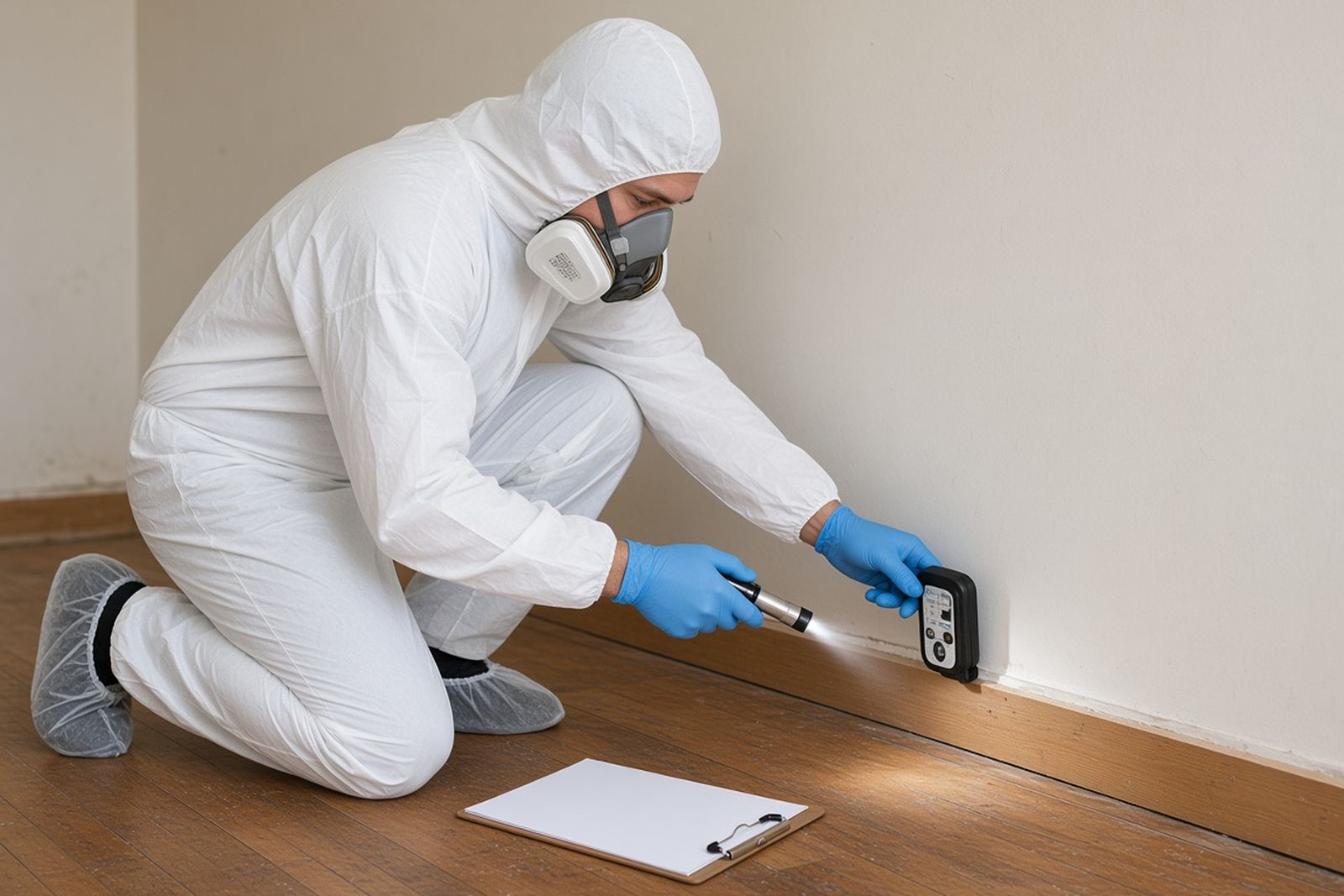 Red Flags When Hiring Crime Scene Cleanup ServicesThe biggest red flags are companies that approach you uninvited, hint that they work for the police, or promise that victim compensation or insurance will pay. Watch for quotes given without seeing the scene and plans that ignore fingerprint powder and forced-entry damage. Be wary if a company cannot show where regulated waste will go. A company you can trust waits for the police release, puts its work plan in writing and protects your privacy.When ATP Testing Helps—and When It Does Not—in Crime Scene CleanupThis quick swab test checks hard, sealed surfaces for leftover organic residue after blood has been removed. It does not detect germs carried in blood or prove that disinfection worked. It does not check for fingerprint powder or police test chemicals. It cannot see inside carpet, drywall or subfloor. Treat the readings as one piece of evidence inside a written plan for checking the work, not as a certificate of safety.How to Evaluate Technology Used in Crime Scene CleanupTo judge any tool, ask what problem it solves and whether it supports hand cleaning or claims to replace it. Ask what the product label or maker says, what its limits are and how the results will be recorded. Useful tools include HEPA air filters, moisture meters, sprayers used after cleaning and digital reports. No device makes up for removing blood and soiled materials by hand.