Tampa, FL

Crime Scene Cleanup in Tampa Bungalows, Duplexes and Mid-Rises

What to do, who to contact, and what to ask in Tampa.

A violent crime in a Tampa bungalow, duplex or mid-rise needs trained cleanup. Learn about alley loading, storm-season drying and records to keep.

Get an email reply about crime scene cleanup

Send a short message to the follow-up inbox. A coordinator can reply by email. This form does not send emergency help; call 911 first if anyone is in danger.

Tell us what you need help with. Share a short description; please leave out medical details, access codes, and other sensitive information.

A request does not confirm a booking. For immediate danger, contact local emergency services.

Or email info@traumascenecleanup.online

The short answer for Tampa, FL

Tampa homes range from South Tampa bungalows to Ybor duplexes and bay mid-rises, and each handles cleanup after a violent crime a little differently. In all of them, police must release the home first, and trained biohazard workers should do the job. See what to ask about alley loading, drying after storms and the records a landlord or insurer needs.

What to do, step by step

  1. 1

    Confirm the release and note the alley paths

    Ask police to confirm the release. Then list the rooms, porch, alley mudroom, garage and any duplex unit that someone entered. Ask for photos of the doorways. Confirm that your landlord or board can approve cuts and any setup in shared areas. In an older bungalow, tell the crew if the floor sits over a crawl space, because fluid can drip through gaps between the boards.

  2. 2

    Send waste out by the alley, away from evening crowds

    Ask the crew to use your alley or driveway, not a front porch that faces evening walkers. When you can, avoid the busy weekend nightlife hours. Bins should be covered, and workers should put on gear out of view of the neighbors' windows. Check that fire lanes and dumpster space stay clear. City of Tampa offices can answer questions about alley access before the work day.

  3. 3

    Ask what is treated in place and what is torn out

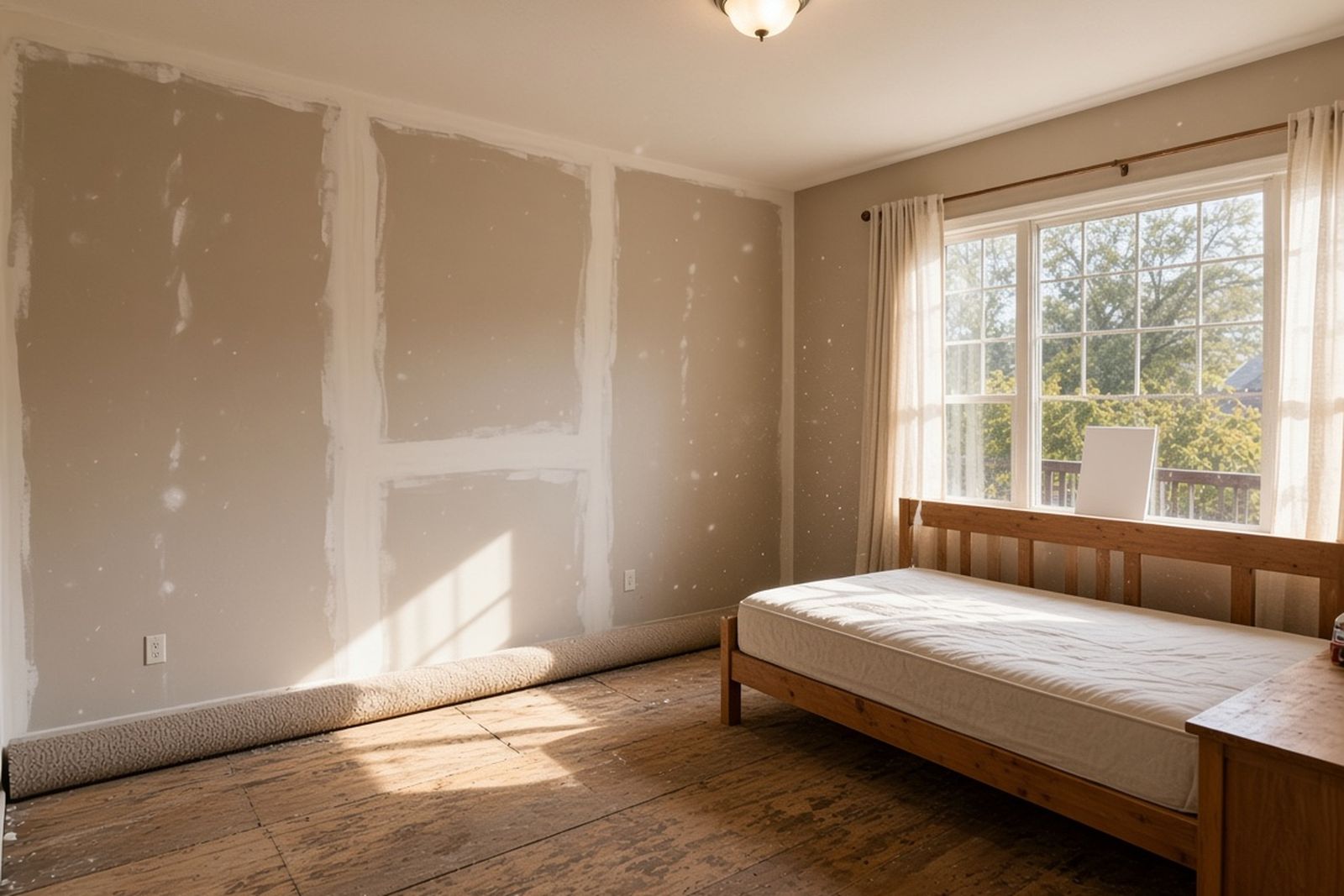
    Once the heavy soil is up, the glazed tile in your bungalow bath can be treated where it is. Any carpet, pad or wallboard that fails the check is sealed before it crosses a shared porch or goes down the alley. Powder on the trim is lifted with a HEPA vacuum. Ask for each choice in writing. In a craftsman home, also ask for photos of original boards or plaster before removal, so a carpenter can match them.

  4. 4

    Let it dry after the storms, then hand off repairs

    Your final check should wait out the bay humidity and the dampness after storms. That includes the crawl space under a bungalow and any slab addition in Seminole Heights. Then collect the photos, product names, waste notes and a list for your plasterer. Keep them with your property file. A landlord or adjuster can then review the job without a second visit.

What cleanup is like in Tampa

Tampa is a working city on the bay with about 400,000 people. You may live in a South Tampa bungalow, a Seminole Heights craftsman home, an Ybor duplex, a downtown mid-rise or near the industrial pockets by the port. With duplexes and lots served by alleys, your cleanup often touches a neighbor's porch or gate. Blood that reached the layer under your floor is the main problem. Daily thunderstorm humidity, bay fog and tight curbs near the nightlife strips add to it. Together they call for an honest plan for drying out, not a rushed one.

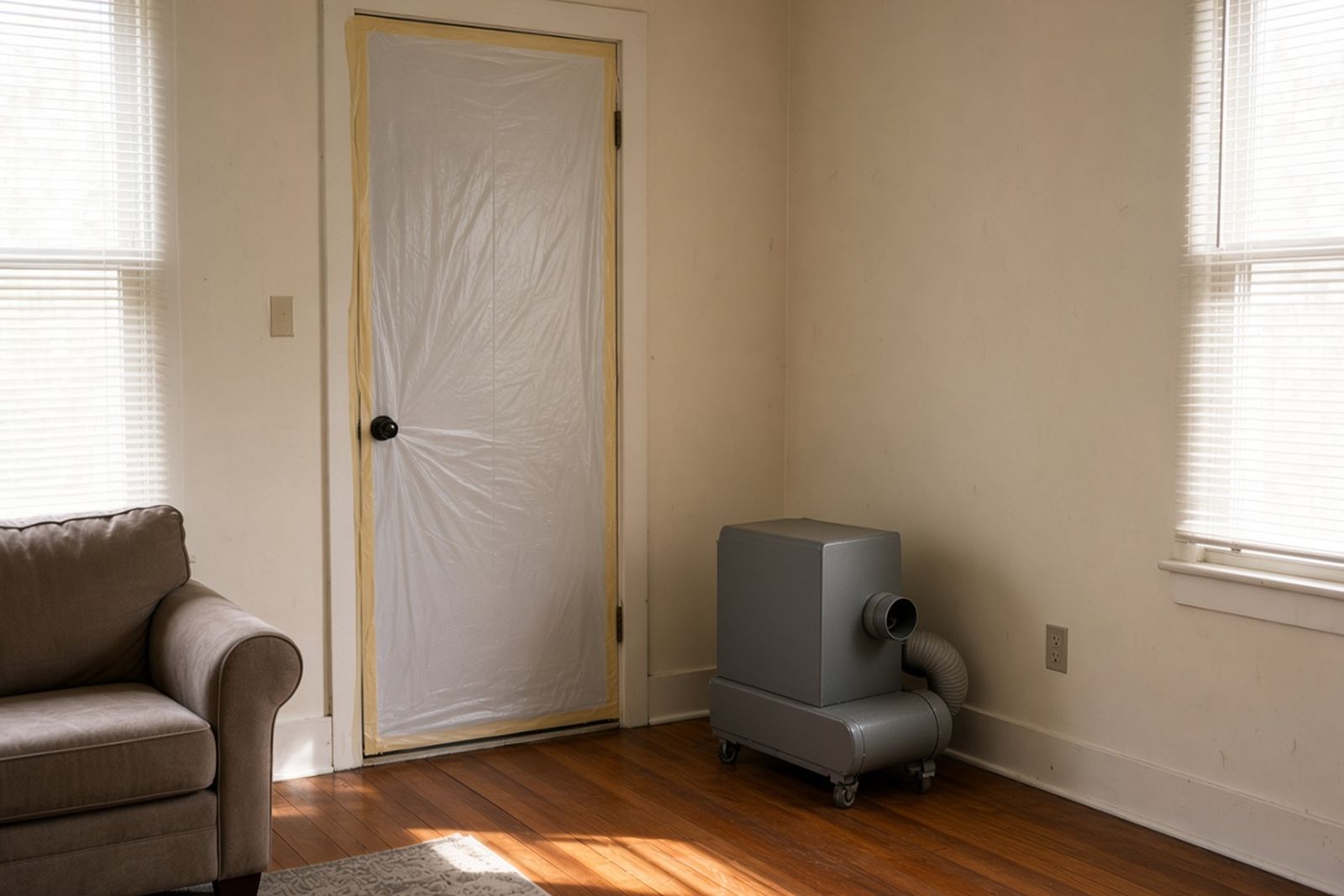
Evening crowds on the commercial strips make an open cart easy to spot. Even the quieter bungalow blocks have houses close together. A good crew keeps its bins covered and says little on the porch, which reduces added harm while you or your landlord plan next steps. In a bungalow or a high-rise, workers answer to federal blood rules and each product's label. Summer storms often decide the order of work at your home more than traffic does. Expect loading to be planned around the weather, and expect drying to take longer in the wet months.

Your file may be shared among an owner who lives in the home, a small landlord, a condo board and a home insurer. City of Tampa offices can help with questions about alley access and parking. Ask for photos of your porch and alley doorway before they are covered. If you share a duplex, the other household will want to know which shared spaces are closed and when. Give them dates and hours in writing, and leave out what happened. Keep a copy of that note with your other records.

What to expect for your type of home

  • Bungalows with hardwood under carpet: Old boards under later carpet can hold fluid in the seams. Ask the crew to check the seams past the first stain they find.
  • Lots with an alley: The alley may be your only quiet way out for dirty items. Confirm where bins can legally sit so they never block a fire lane.
  • Duplex porches and stairs: Ask that the written plan keep each unit's own rooms apart from the shared parts. It matters for approvals and for the bill.
  • Homes in storm season: Bay humidity and daily storms stretch out drying. A lease start date is not a sign-off, so do not let one set the schedule.
  • Mid-rise condos: Your board must plan how the elevator and trash room are used. Call the manager before the crew is booked, and ask what the building requires.
  • Ranch-style add-ons: Wall-to-wall carpet over concrete rarely survives a soaked pad. Expect both to come out, and ask to see the slab once they are up.
  • Buildings with fobs and doorbell cameras: Both keep a record of passes. Cancel temporary fobs and codes after the work, and note when you did.
  • Homes near the commercial strips: Parking is scarce. The crew will likely use a driveway or alley, and no one can promise you a set arrival time.

Papers and records to keep

  • The release date and the Tampa owner or landlord who said go.
  • Photos of rooms, porches, alley doorways, garages and the links between duplex units.
  • A sketch of open areas and air returns.
  • For each bungalow room, what was cut and what was kept.
  • The disinfectants used, how long each stayed wet and on which surfaces.
  • How powder was removed, plus notes on drying after thunderstorms.
  • A log of alley or driveway setup and temporary codes.
  • Waste tracking papers for bags carried out by the alley.
  • A move-back-in memo for rooms still open for rebuilding.

Local offices and official help

Common questions in Tampa

How do the daily thunderstorms affect when the job is finished?

They stretch out real drying, in bungalow crawl spaces and slab additions alike. The final check should wait for true dryness, not one run of the dehumidifier or a lease date. Ask that weather notes be added to the drying records, so your adjuster sees why furniture stayed out. Soft materials that still need removing should never be closed up just to make things look done. The safety steps stay the same whatever the forecast says.
When is the alley the better way out?

Use it when your front porch faces sidewalk walkers or evening crowds near the nightlife strips. Covered carts in the alley draw less notice. That choice is about privacy only. It comes with no promised response time and skips no safety controls. Confirm that fire lanes and dumpster space are clear, so sealed bins never block a way out. Ask that the route and hour be logged for your insurer.

I own a duplex. How should work on the shared porch be recorded?

In photos and notes, each unit's own rooms should be kept apart from the shared stairs and porch. Have it recorded which person on the lease approved each cut. Ask for disinfectant names and wet times in writing. That record prevents disputes when two households share one building. It also gives the family next door something solid if they worry about the porch they use every day.

Which craftsman and bungalow finishes usually cannot be saved?

Soaked carpet, wallboard and furniture often go. Old pine or oak boards may shine on top with blood trapped between them, so ask the crew to check where the plaster meets the floor. Glazed bath tile often cleans in place. If original boards must be replaced, a photo taken before removal helps a carpenter match them. In humid weather, give the rooms extra time to dry.

What belongs in the file for my insurer?

Send sketch-linked photos, a list of what was torn out, product wet times, the powder cleanup method and the waste slips. Add photos of the porch, the alley and the links between duplex units. Have it say which rooms wait on carpenters. A quick coat of paint is not success after a blood scene, and a nice smell is not either. Keep a copy of everything you send.

The other side of my duplex is occupied. How do I handle that?

Tell the other household in writing that work is going on next door. Give the dates and hours, and say which shared spaces, such as porches or yards, will be closed. Leave out what happened. Ask the contractor to seal shared walls and any connected attic or crawl space if needed. If the family next door worries about the shared porch, give them the final check notes for it when the crew finishes.

We have an older craftsman home. What should we know?

Ask the contractor to check under the floor. Older Tampa homes in areas like Seminole Heights often have raised wood floors over a crawl space, and fluid can travel through gaps between the boards into the space below. Heart-pine boards and lath plaster soak up liquid, so some pieces may have to be replaced. Photograph original features before removal so a carpenter can match them later.

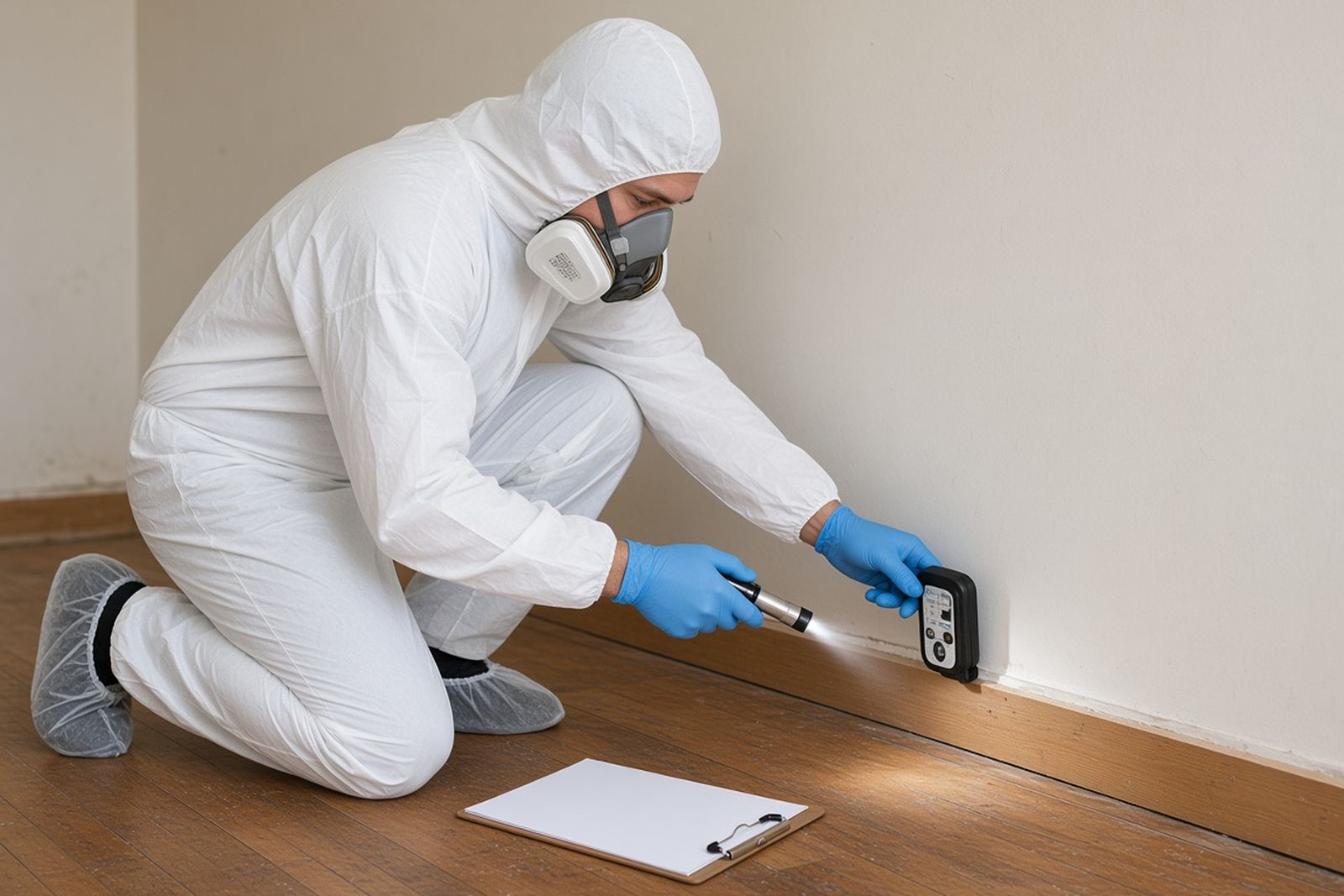
Technician in coveralls and a half-face respirator checking a baseboard with a flashlight and moisture meter
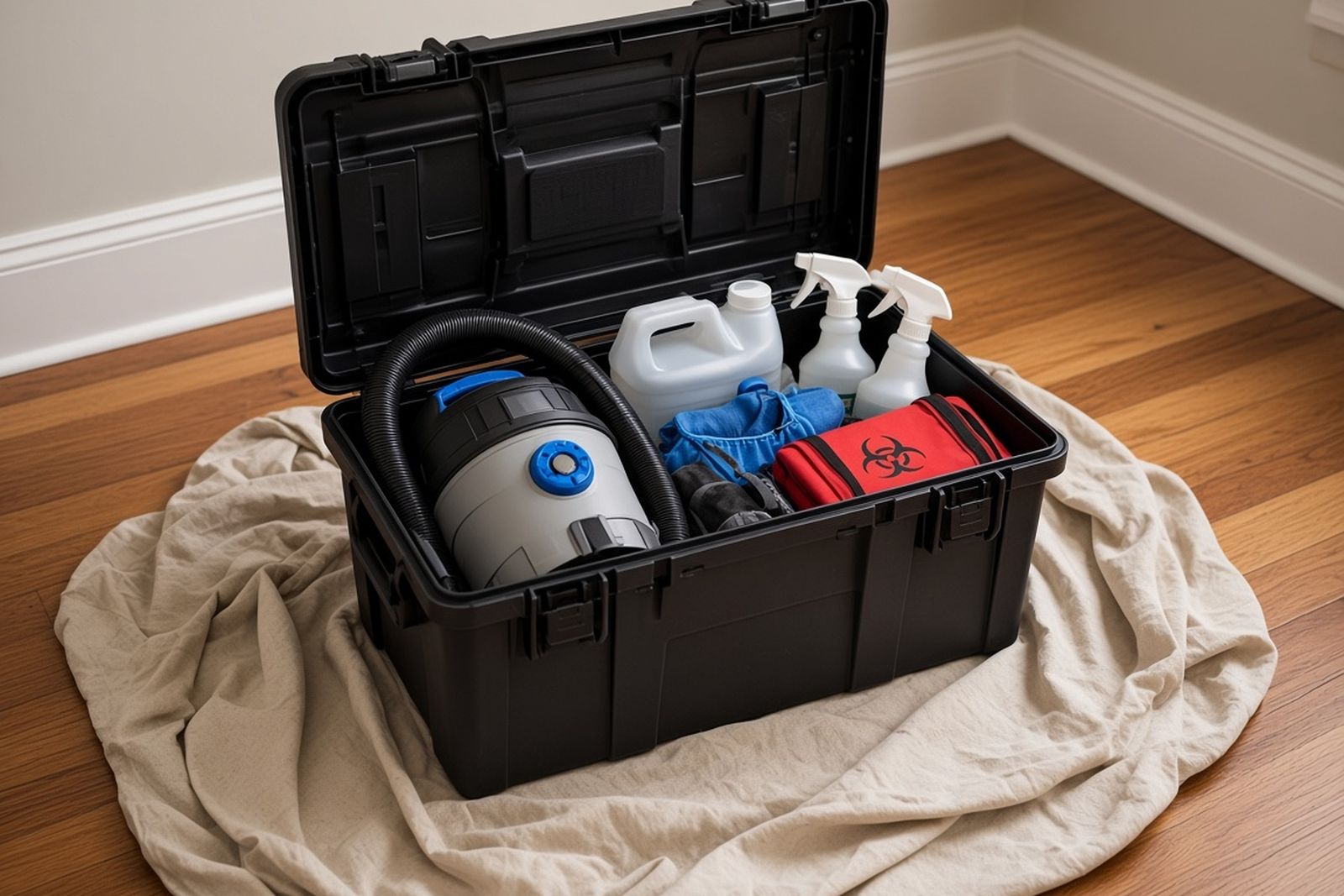
Open equipment case on a drop cloth holding a HEPA vacuum, disinfectant jugs, spray bottles and red biohazard bags

Facts worth knowing

  • In a study published in 2022, 18% of 521 insured people whose homes flooded said they had an insurance dispute or a denied claim.

    Why it matters: Claim disputes do happen, so keep your photos, receipts and every letter or email from your insurer.

    Source: McKenzie et al., 2022

  • Flooded residents in New Brunswick focus groups said the paperwork for insurance and government compensation was confusing.

    Why it matters: Expect the forms to take effort, and ask your adjuster or a local aid office to walk you through them.

    Source: Woodhall-Melnik et al., 2019

  • In a UK survey of adults bereaved in 2020, 56% of those who sought help from bereavement services had trouble getting it.

    Why it matters: Support can be hard to reach, so you may need to ask more than once or try more than one service.

    Source: Harrop et al., 2021

Tools that help right now

What would you do?

Poll results

Vote to see how other people answered. You can change your answer at any time.

Your experience

What was the hardest thing to figure out in the first day after the scene was released?

Be the first to vote
General

Which type of incident brought you to this topic?

Be the first to vote

Need help in Tampa?

Send a short message about the property to the follow-up inbox. A coordinator can reply by email with next steps.

Your request is sent to the follow-up inbox. A coordinator can reply by email.

If anyone is hurt or in danger, call 911 first.