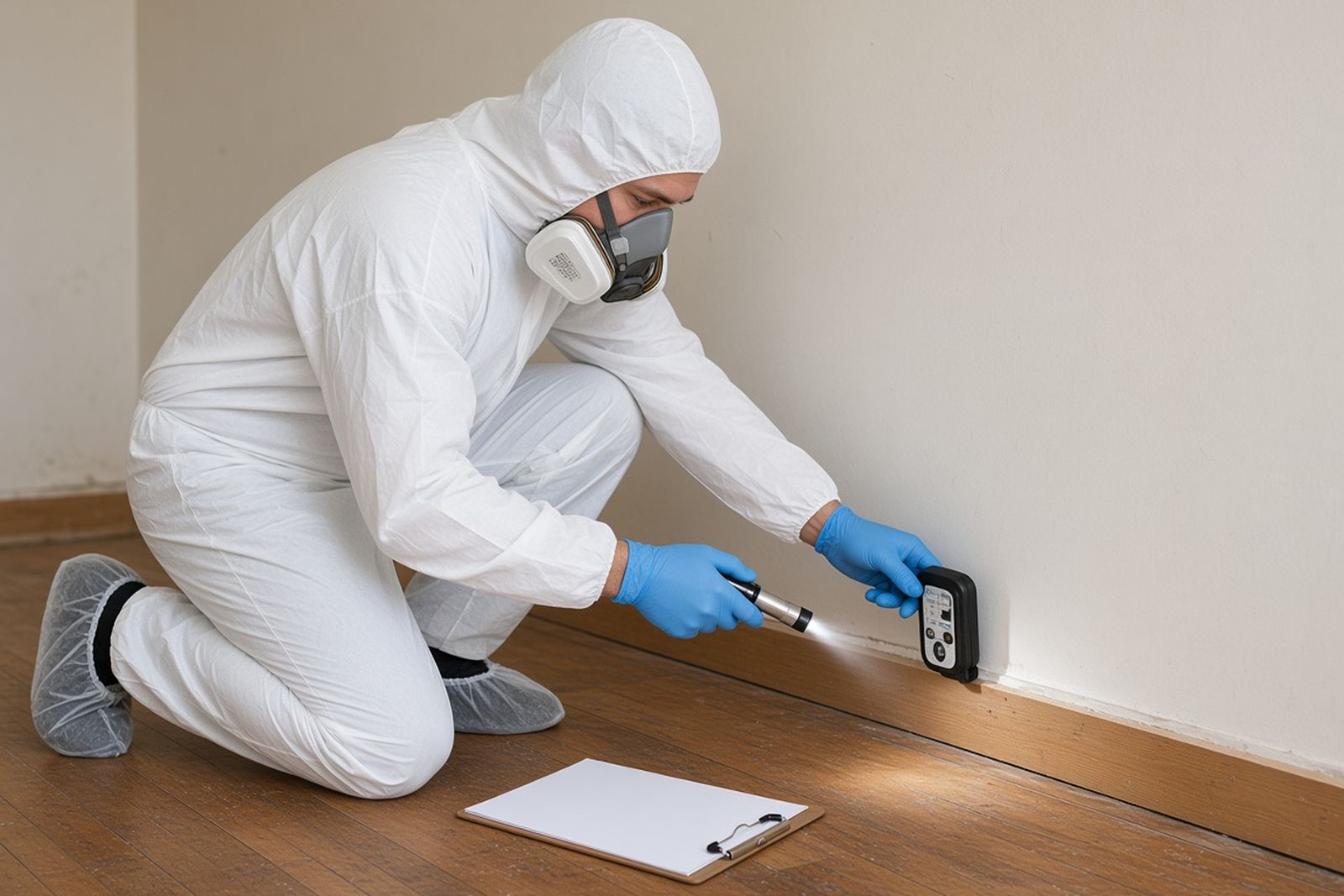
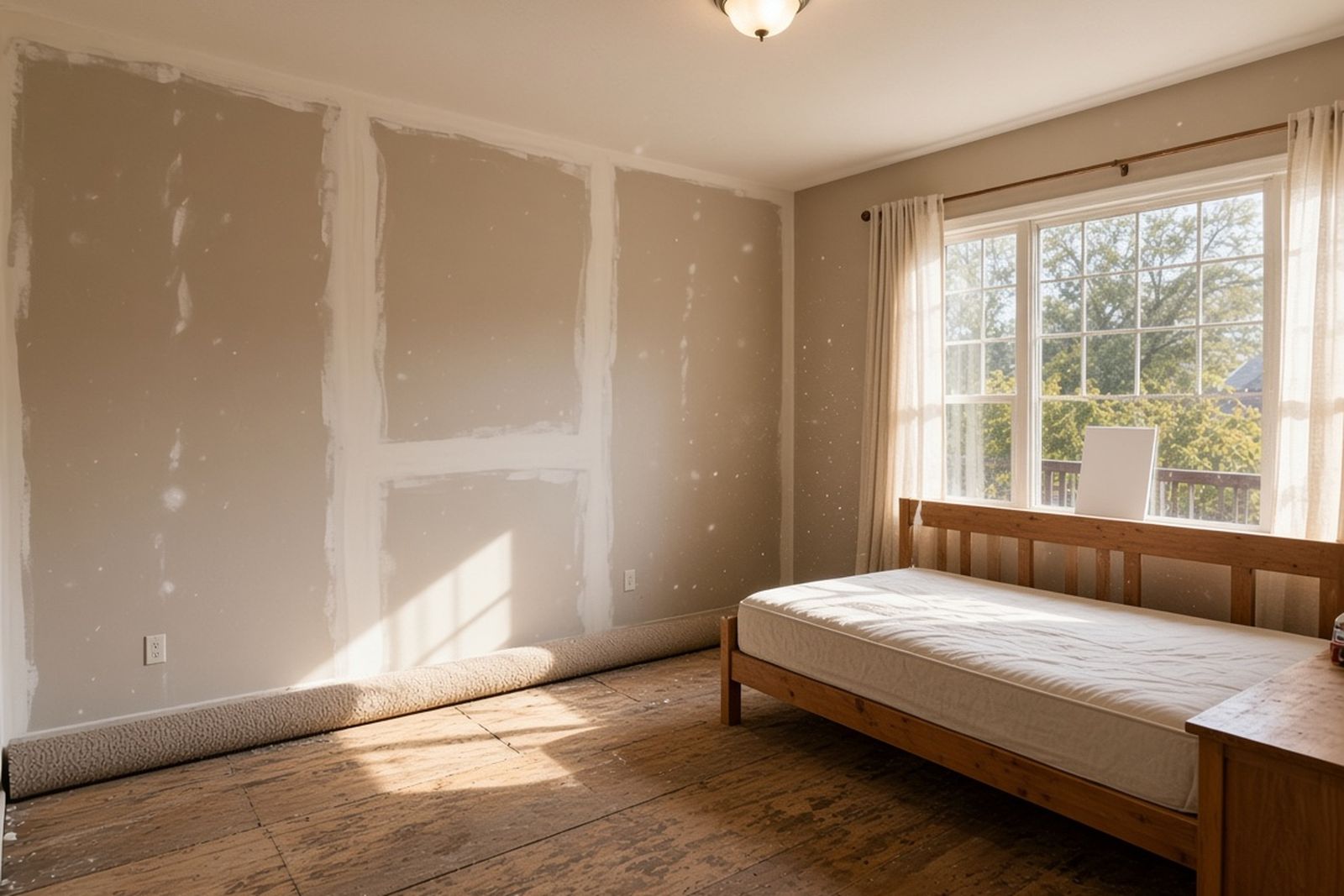
Los Angeles is home to about 3,820,000 people. Its housing runs from canyon houses with long private drives to packed apartment blocks in Mid-City and the Valley. That mix changes your cleanup. In newer homes, blood often soaks into engineered wood, carpet pad and drywall. In older soft-story and hillside homes, it can hide behind baseboards, in crawl spaces or along sloped subfloors. So your job is rarely one stained board. Before work starts, you need three things. Get proof the scene is released. Make a room-by-room list of what is soiled. Find out who can approve tearing out soft materials.
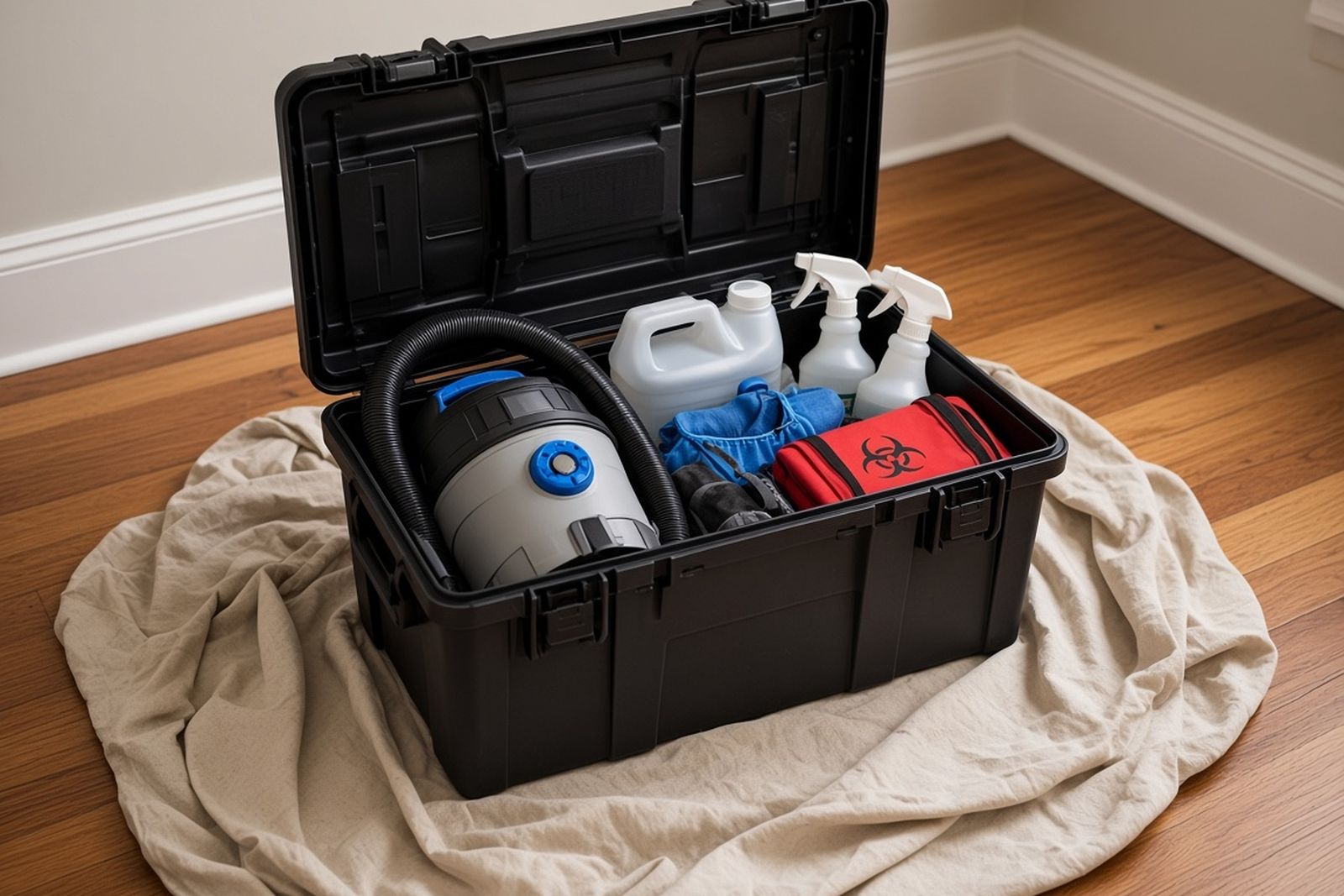
Privacy and access often pull against each other here. On hillside streets near the Hollywood Hills, Mount Washington or the canyons by Pacific Palisades, your crew may get only a short stretch of curb or a shared turnout. Along the Wilshire, Vermont and Van Nuys corridors, apartment work depends on booked elevators, covered courtyards and quiet parking. Ask the company how it will protect hallways and keep waste carts out of view. This is regulated biohazard work under OSHA's bloodborne pathogen rules, not a housekeeping visit. Careful routes protect your neighbors' health and your privacy.
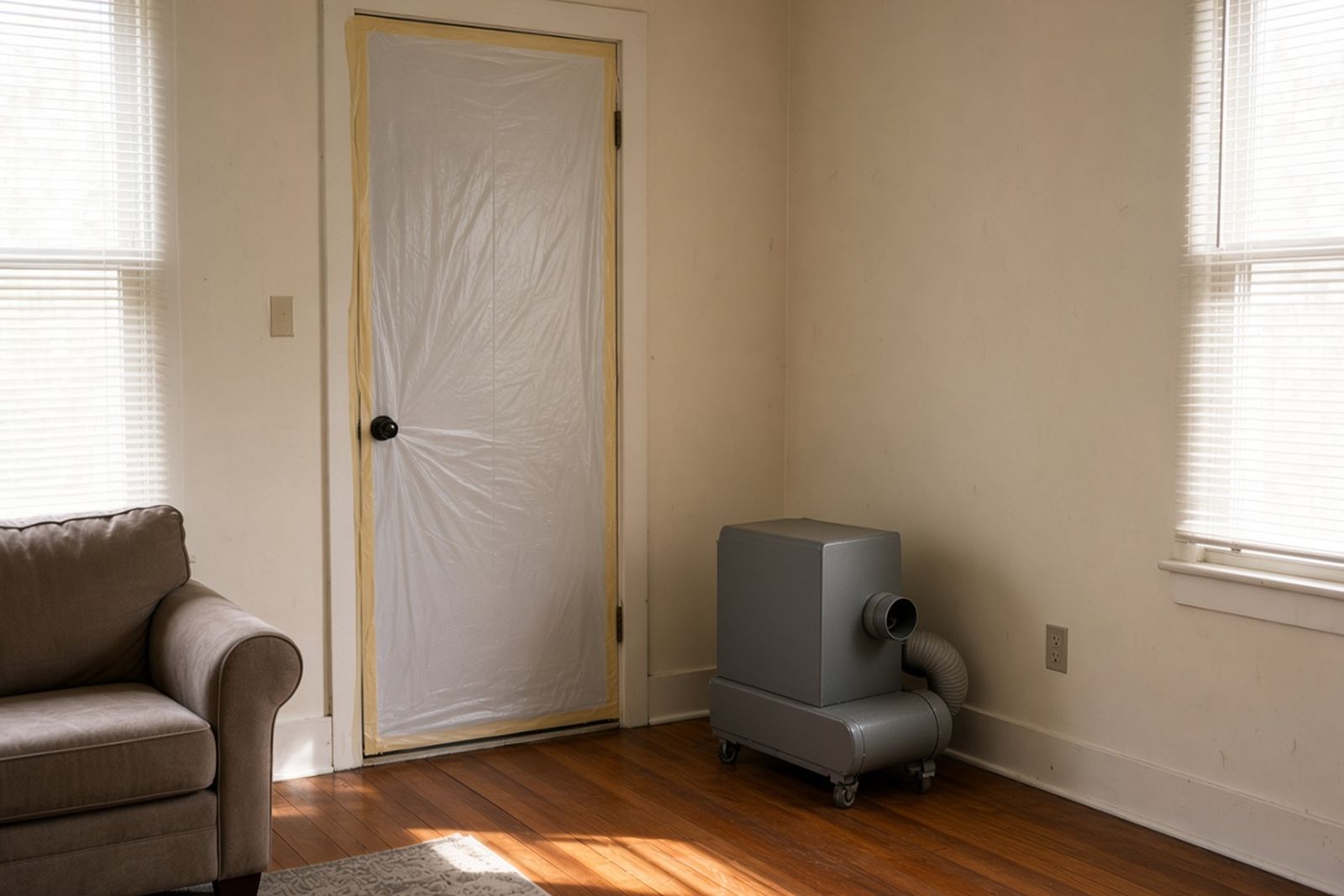
Expect several people to ask you for records. A landlord, estate, HOA board, insurer or corporate manager may each want photos tied to a floor plan, product names and a short list of what was removed. Your home may also have an ADU, garage conversion or extra room that never made it onto the lease. Tell the company about it if anyone went in there. Weather matters too. Warm, dry spells can turn residue into dust that moves on shoes. Foggy marine-layer mornings near the coast slow drying. Let your schedule follow the cleanup and checks, not the date the painters can come.