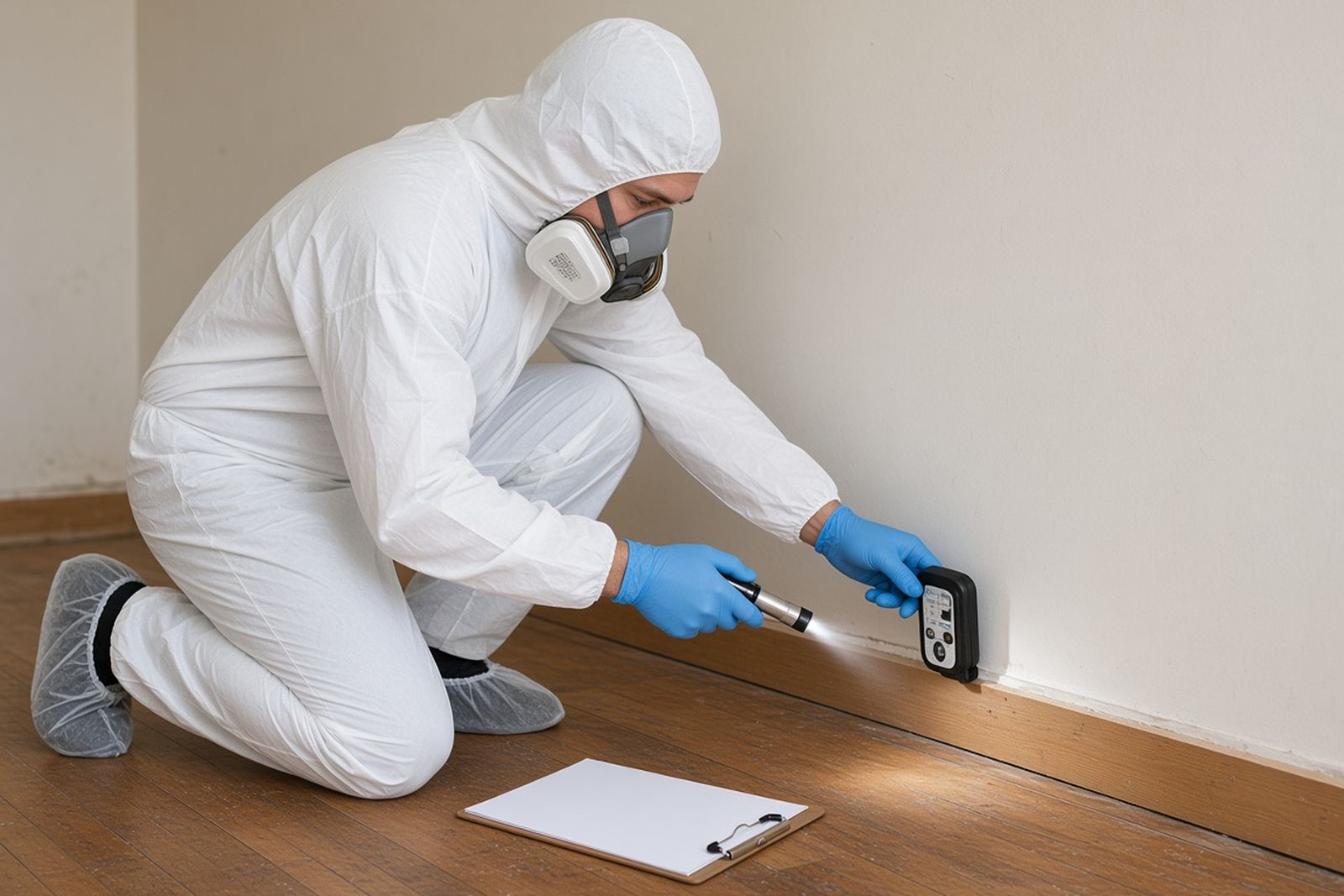
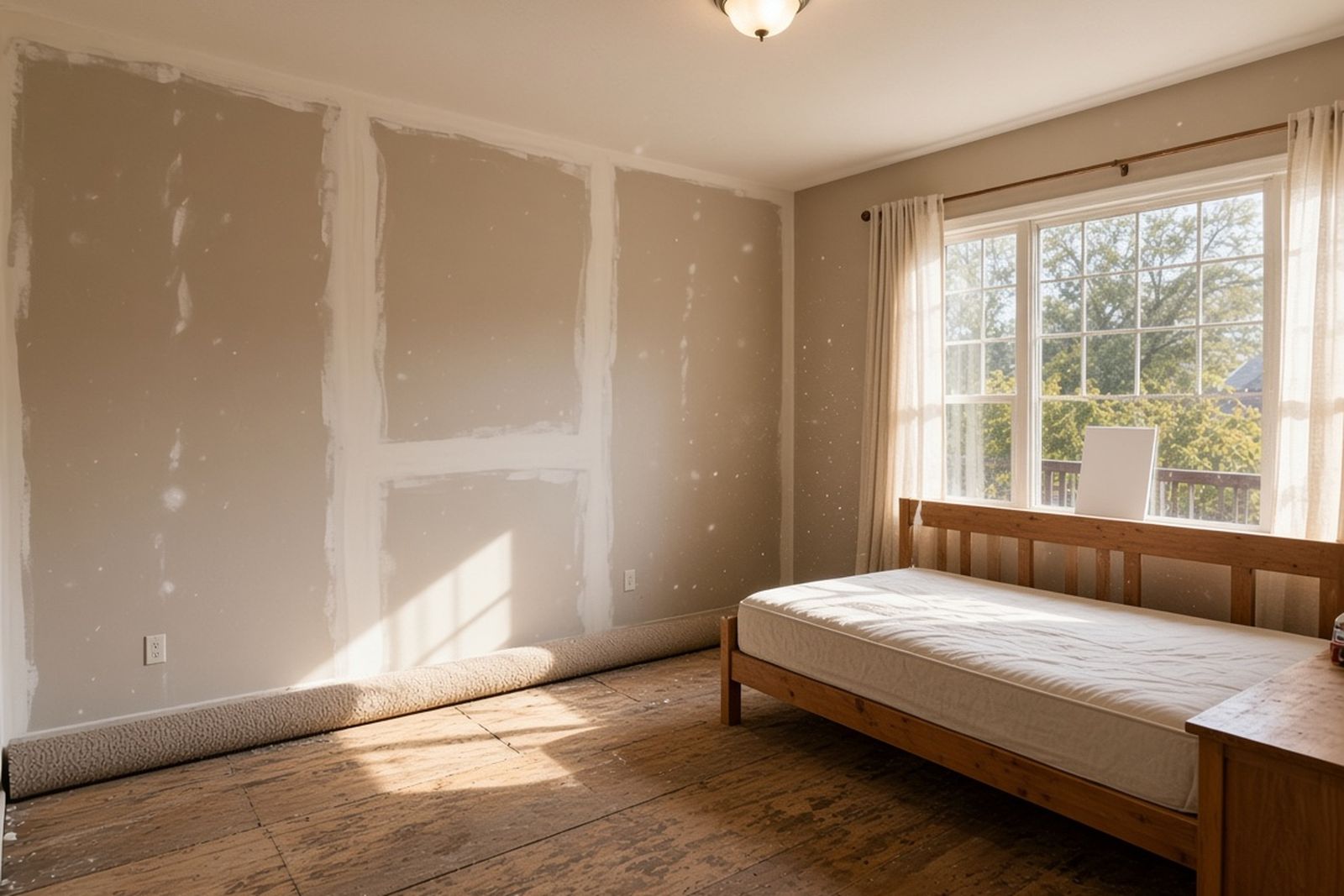
Houston has about 2,310,000 people spread across a grid of freeways, in huge garden apartment complexes, rows of townhomes and planned HOA villages near bayou drainage channels. Most homes sit on a concrete slab, and basements are rare. So the hunt for where fluid went centers on your garage slab, patio doorways, the kick space under cabinets and carpet over concrete. Gulf moisture keeps indoor humidity high, which slows real drying. If your neighborhood flooded in a past tropical storm, the underlayment and lower drywall may already be damaged. Photograph that old damage apart from the new, so your claim does not mix weather history with the crime.
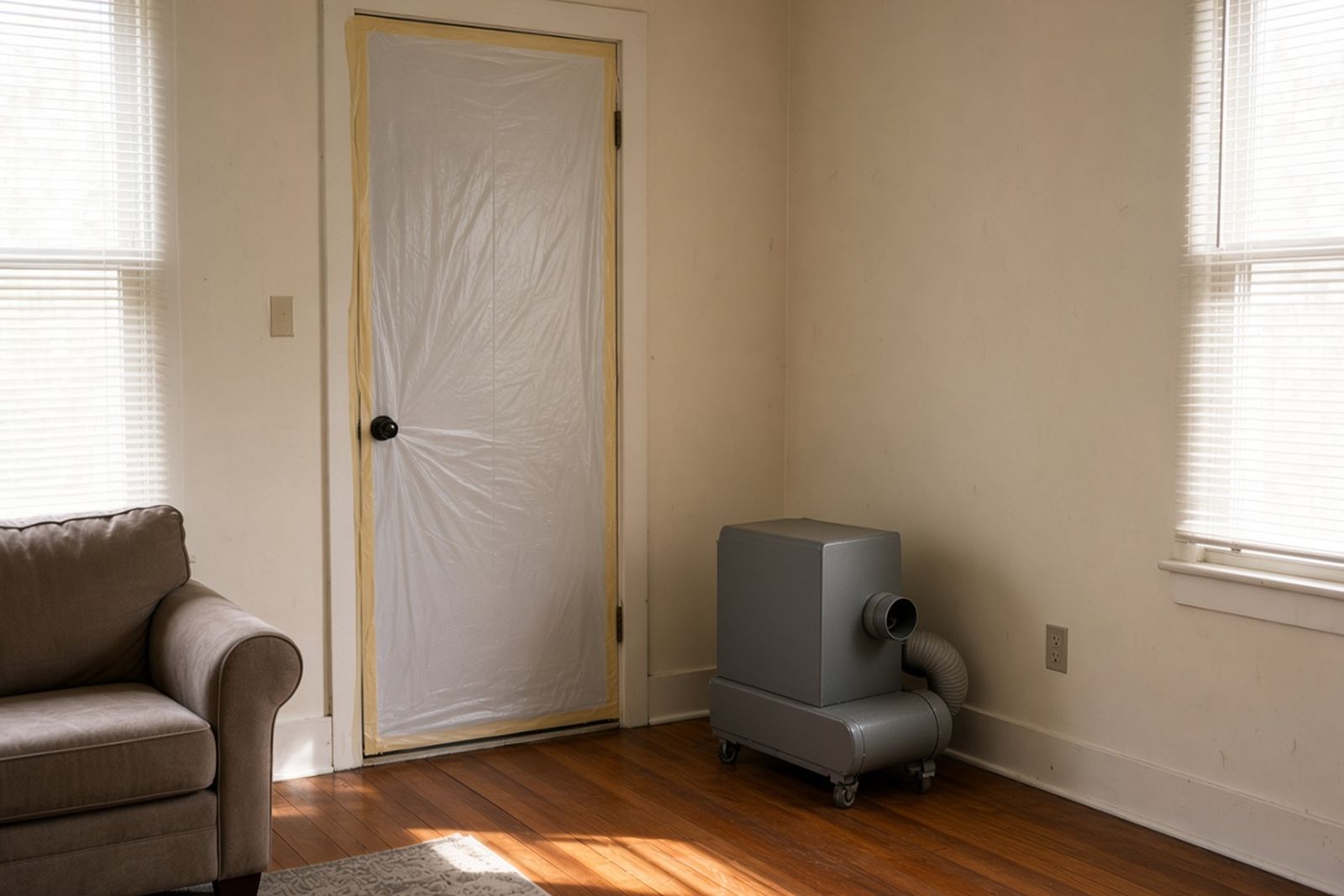
Here the work spreads across the ground more than up and down. Long drive aisles, parking courts and detached garages give wide views, so sealed carts stay visible unless covers and timing are planned. Ask that clubhouses, resort-style pools, laundry rooms and package lockers stay off the hauling route. Your planned community may ban overnight trailers or limit curb parking near the mail kiosks. Direct sun and 100-degree heat affect how outdoor bins are secured and how often workers rest. Indoors, disinfectants still sit wet for the label time. Tropical rain bands can interrupt loading, so bags should never sit open in a parking court during a downpour.
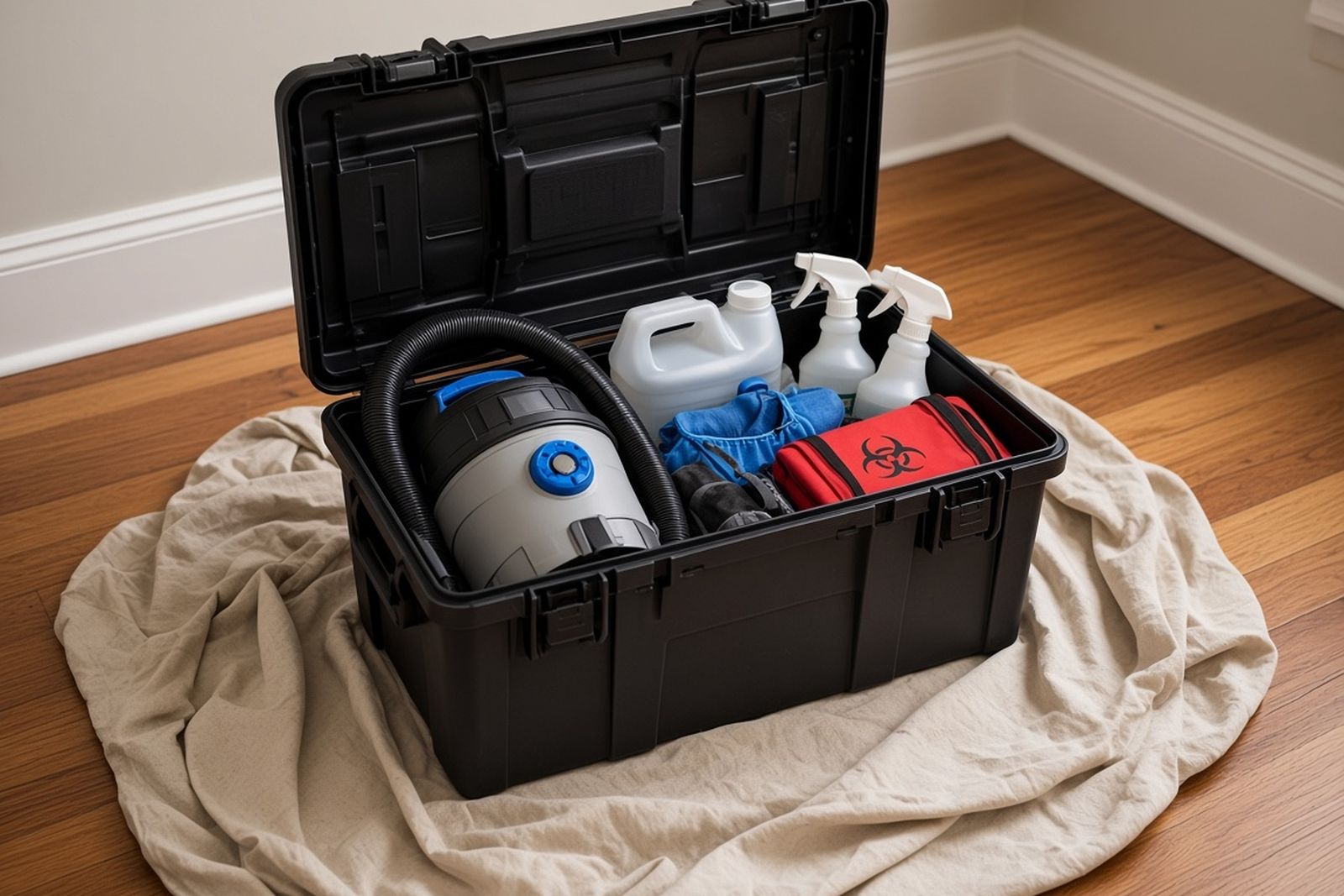
Your records may be read by a Harris County property operator, an HOA architectural committee, a landlord, an estate representative or an adjuster far away. Photograph the garage and patio doors if police moved between the heat outside and the cool air inside. Ask for two lists, one of items thrown out and one of surfaces disinfected in place, with product names and wet times. Have the Gulf drying notes written down as well. Then the timing of your final check still makes sense months later when the unit turns over. Paint and flooring bids come afterward and should stay separate.