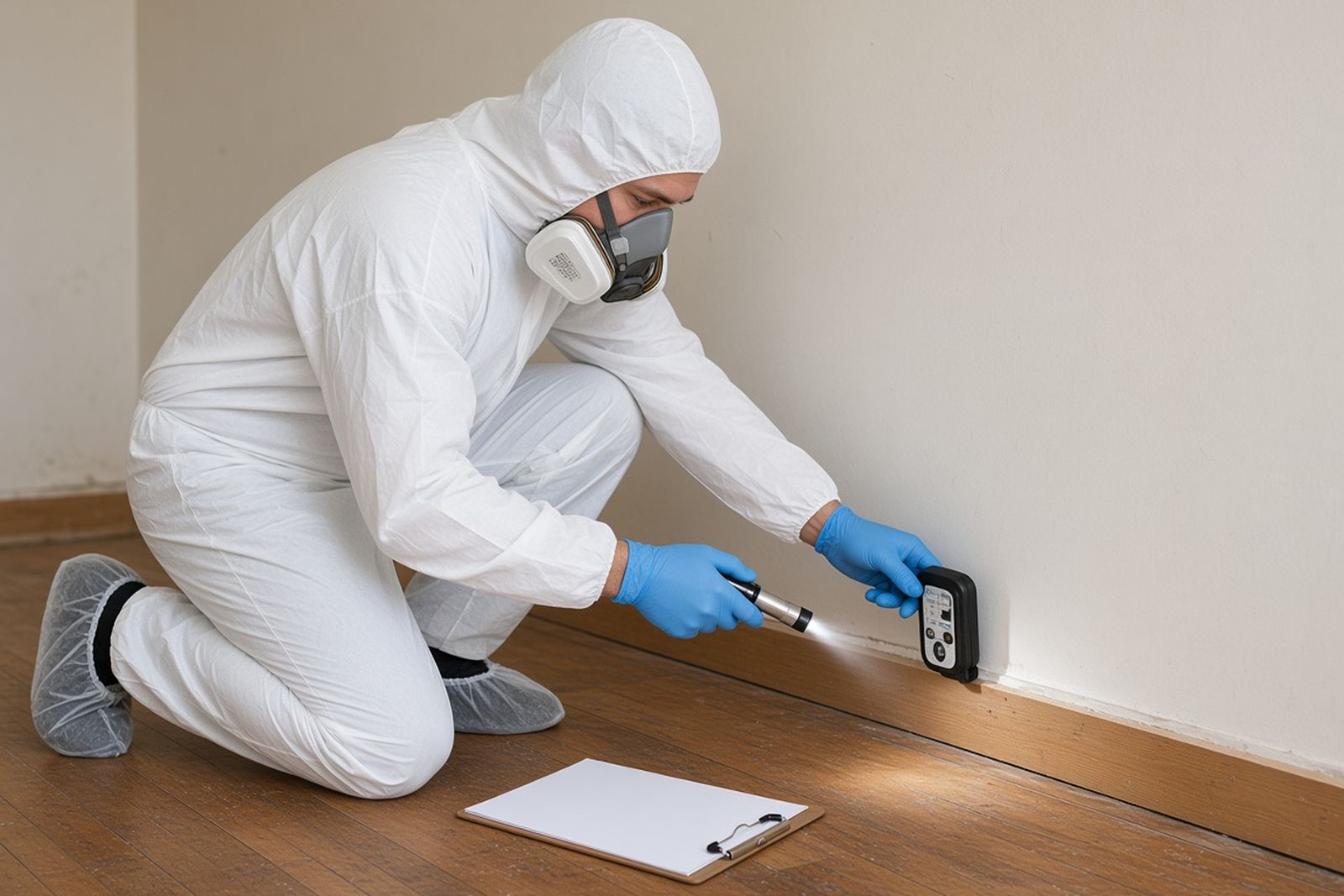
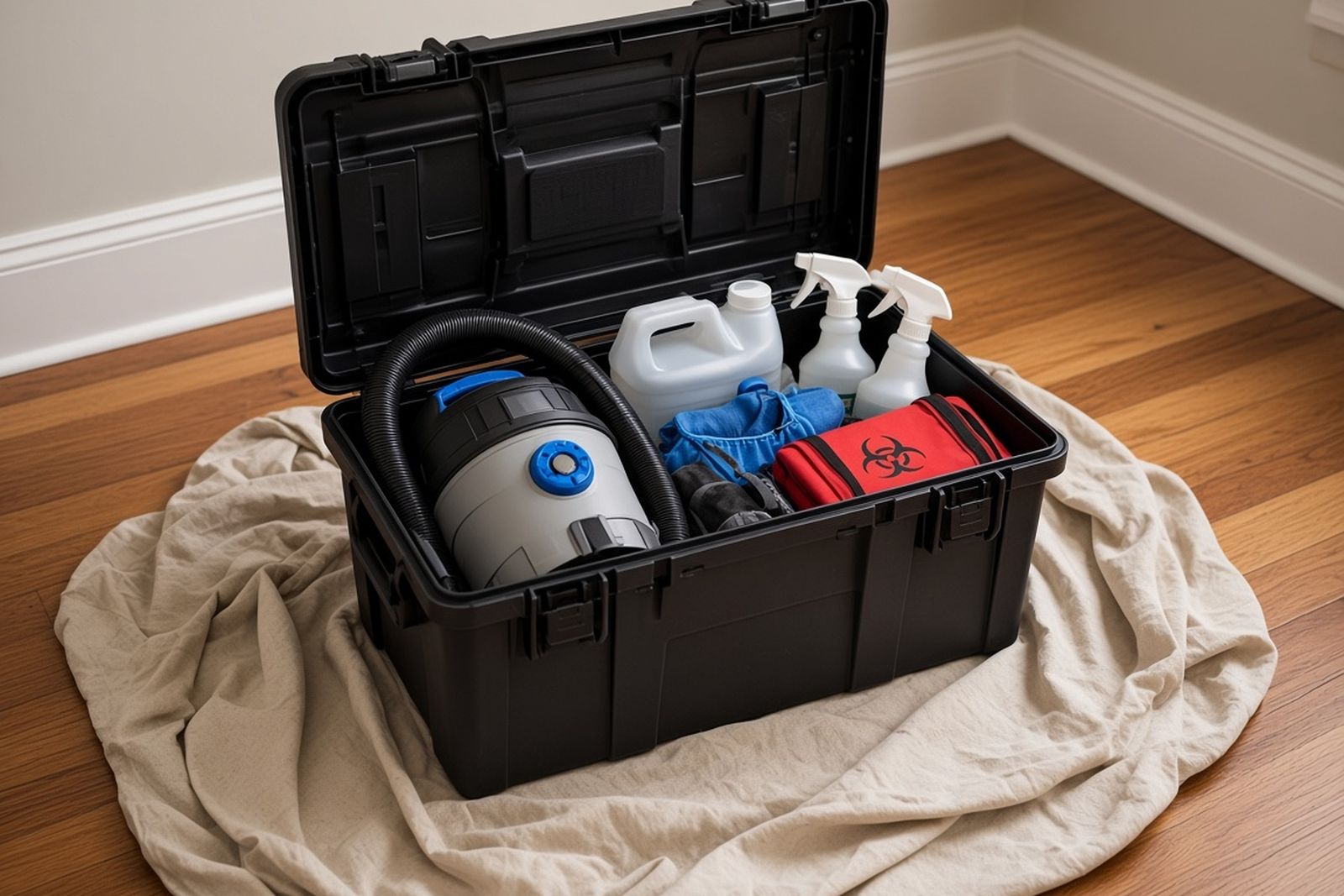
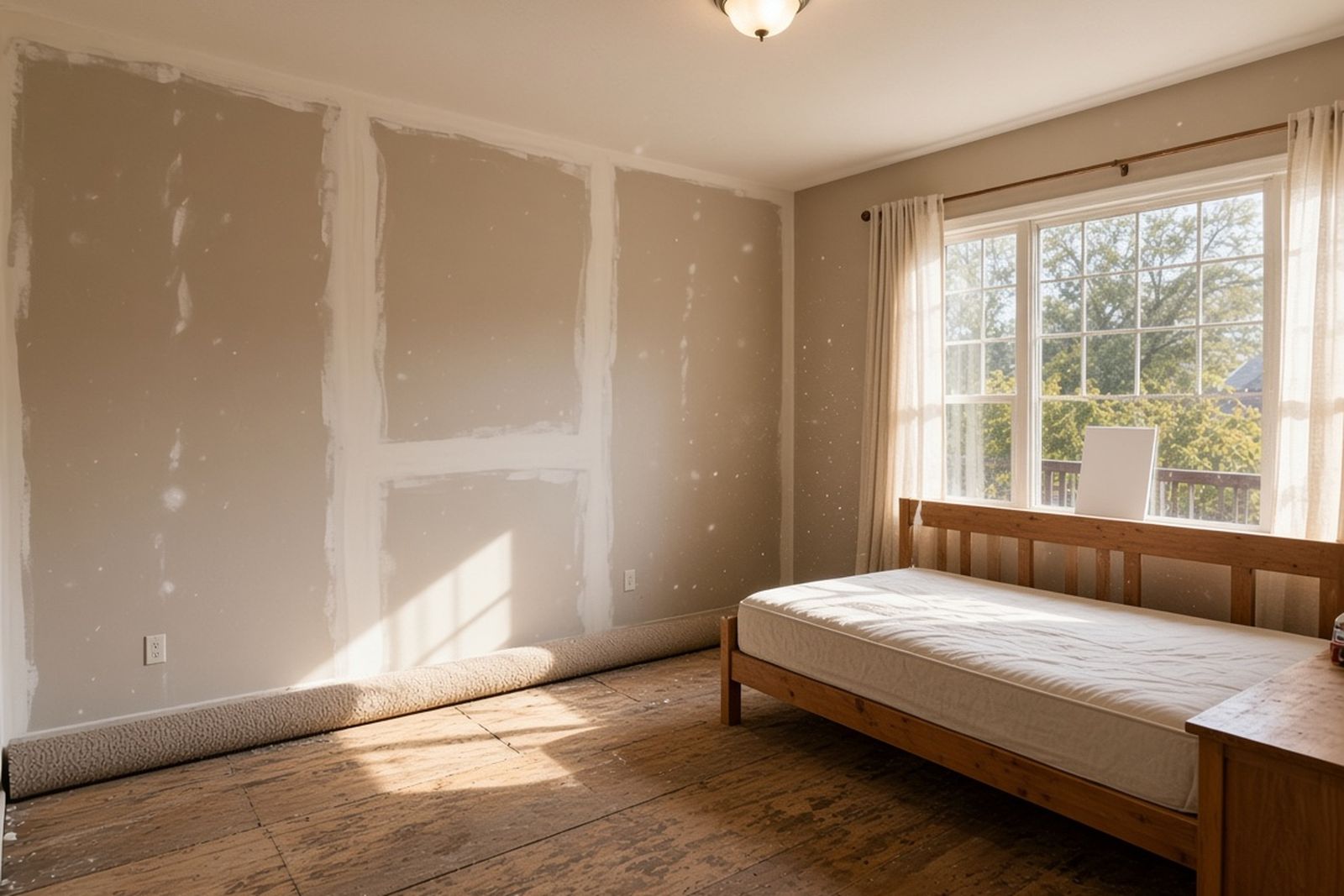
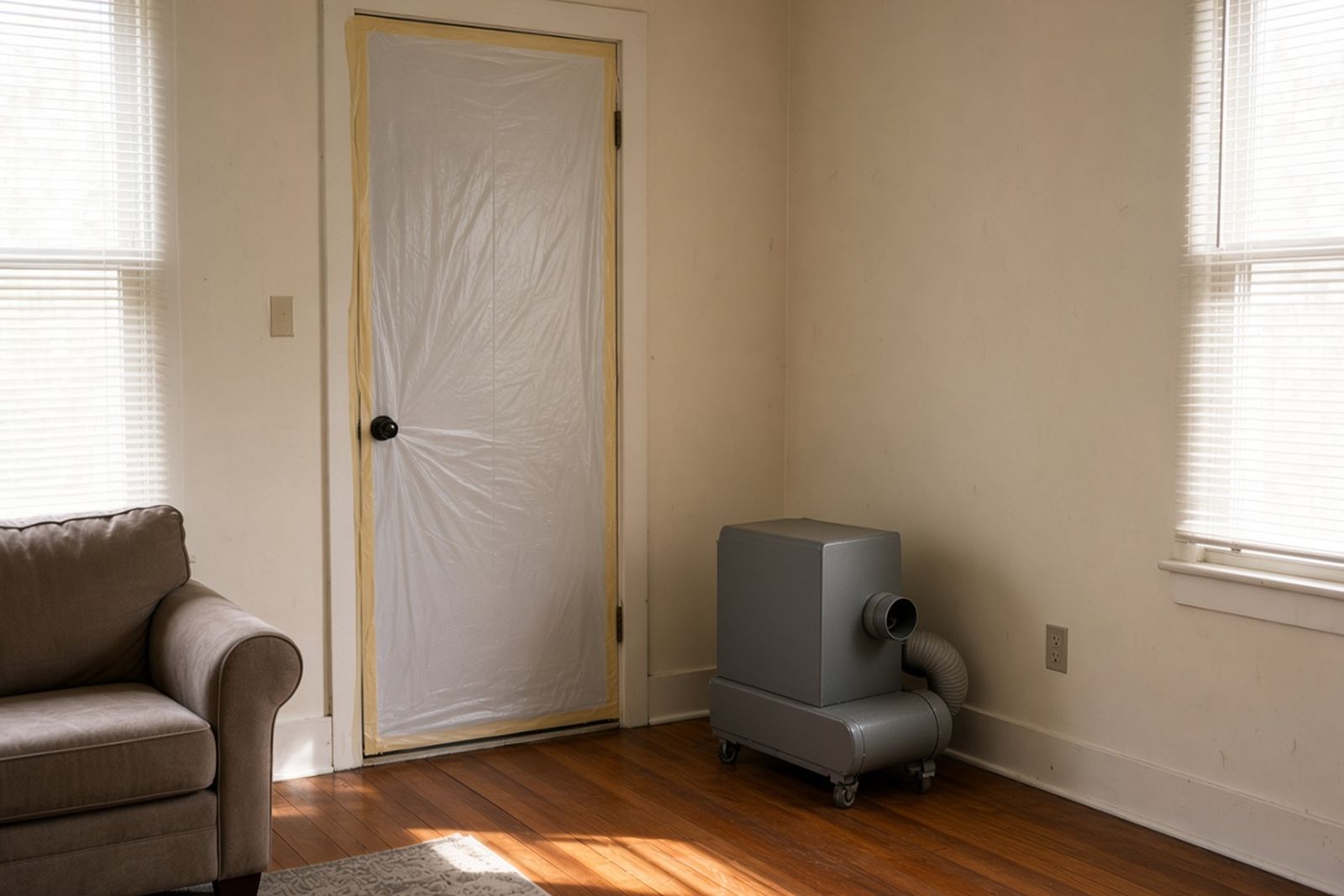
La Jolla is a beach community inside the City of San Diego, with about 44,000 people. It mixes small village shopping streets, condos and apartments near the shore, and hillside and bluff homes above the coves. Some neighborhoods are shaped by jobs at the nearby university and research centers. After police release your home, expect tight village parking and tourists walking near the cove lookouts. On a sloped lot, outdoor stairs may link the floors of your house. Ocean air stretches out drying times, and afternoon breezes can carry odors between houses set close together. A good crew follows federal blood safety rules and each disinfectant's label.
Getting in and staying private here is different from the inland San Diego suburbs. At a village address, your crew may depend on alley loading or a short curb window next to boutique sidewalks. At a bluff or canyon home, you may have only a short apron above a steep drop, and neighbors can see across the ravines. With soft coastal light and open windows, anything graphic is easy to spot if waste moves uncovered. Ask for one exit route for dirty items and packaging no one can see through. Notices to your neighbors should leave out incident details. Bring your building manager or HOA in early.
Your records may go to a vacation rental manager, an HOA, a landlord near the university, an insurer or an estate representative. Because La Jolla is not its own city, City of San Diego websites and County of San Diego health resources are where to look for local answers. When they apply, have balconies facing the coves, open garages under the house and hillside stairs photographed. Ask that humidity and breezes be noted alongside the final checks and odor control steps. Those notes explain your timeline to anyone who reads the file later.