Field guide
Crime Scene Cleanup: Warehouse and Industrial Facility Guide
How your warehouse or plant can handle police release, set work zones, lock out machines, protect staff, sort stock, clean up, and reopen zone by zone.
Who this is for: Warehouse and plant operators and facility and safety managers who must handle a crime scene on site and reopen safely.
Updated 2026-08-02. Rules differ by state and city, so check the details with your local authority.
Ask about your situation
Your request is sent to the follow-up inbox. A coordinator can reply by email. Not for emergencies; call 911 first if anyone is in danger.
In short
The short answer
A crime scene in your warehouse or plant needs more than closing one room. Police and emergency responders come first. After police release an exact area, split your site into zones for closed areas, controlled travel, checking, and normal work. Freeze any machines and stock that matter, and map how workers, responders, forklifts, and dock traffic moved, along with drains and air flow. Give worker safety, property, evidence, cleanup, and keeping the business running each its own owner. Reopen one zone at a time, in writing, once materials, equipment, utilities, trash, repairs, travel routes, and shift handoffs each have an owner and proof of what was done.
Get the incident under control before work picks back up
Before any work picks back up, you need the incident under control. If there is violence, a medical crisis, a fire, unknown chemicals, building damage, or any other urgent threat, call 911 and follow the responders' directions. Stop conveyors, vehicles, automated storage, dock traffic, and nearby processes. But do this only through your emergency plan and only with trained, approved operators. Your workers should not go in to grab scanners or shut off a valve. They should not take photos, move a pallet, clean a forklift, or make a delivery. Keep exits safe. Give responders keys, utility details, process hazards, floor plans, and plain facts about what you saw.
A clear chain of roles keeps your site from working against itself. Name a contact for police, a site incident leader, a safety lead, a security keeper, and an HR contact for messages. Name the person who signs for the property. Add a maintenance lead who handles shutting off machine power, an owner for stock, a cleanup coordinator, an insurance contact, and a manager who keeps work going. Write down which shift was on site, who went in, which equipment moved, and what emergency changes were made. Your work updates should share facts about access and schedules. They should not pass around graphic photos, evidence, health details, or guesses about workers, contractors, or visitors.
Turn police release into a control map for the site
A police release covers only what it names, so you should put it on a map. Write down which agency or official released the scene, and when, and list exactly what was released. That may be a floor area, a level, an aisle, a bay, a dock, or a room. It may be a machine, a vehicle, stock, records, or a route. Note every limit that still applies, because a released patch of floor may not include nearby things. A control panel, a locker, a camera file, a pallet, or a lift truck may still be held. Mark the police boundary on your site map, and compare it with fire exits, production areas, walkways, forklift lanes, and utilities. Then draw the larger cleanup boundary that the damage you can see calls for.
Simple zones let you keep part of your site working without putting anyone at risk. You may need a zone police still control and a closed zone not yet checked. You may need a cleanup work zone, a clean supply area, a controlled travel route, and areas that keep working. Your barriers must not block exits, fire equipment, space around electrical panels, or other required access. Control badges and keys by shift, and brief temp workers, drivers, vendors, and repair contractors. Sometimes you cannot keep areas safely apart, because traffic, power, air, drains, or shared services cross the boundary. Then you pause the work that depends on them. Do not call an area unaffected just to keep the schedule.
Map movement through a large building with many levels
In a large building, the check starts at the main area and then follows the paths fluid or dirt could really have taken. Look at slab joints, pits, drains, trenches, dock plates, rack posts, mezzanines, stairs, elevators, conveyors, and machine guards. Check control stations, break rooms, restrooms, and cleaning tools. Also check heating and cooling, process exhaust, compressed air, and wastewater systems. Note soft packaging, raw wood, insulation, fabric, vehicle interiors, electronics, and gaps inside machines that no one can reach. A tall or large building does not mean the damage is widespread. But its size makes guesses and missed paths more costly for you.
You also need to trace how people and equipment moved. That includes responders, workers, forklifts, pallet jacks, carts, robots, and floor scrubbers, as well as trash bins, trailers, and repair tools. Where allowed, save your vehicle tracking data, work orders, pick history, door records, and photos that are not graphic. Find out what materials or equipment were moved before the area was closed, and where they went. Check nearby zones for real signs, such as contact, fluid movement, shared air or exhaust, drains, shared tools, or traffic. Do not assume a space is contaminated just because it is nearby or has the same address.
Tie cleanup to worker safety and machine power controls
Your regular workers are not ready to handle affected materials just because they clean, repair, or move stock. Each employer must look at its own workers' tasks and how they could be exposed on the job. OSHA's Bloodborne Pathogens rule applies to covered work contact with blood and other body fluids that can carry disease. That includes contractor workers who clean blood after certain crime scenes. So you set rules for who may enter and how needles and sharp objects are handled. You plan protective gear, cleaning of people and tools, handwashing, and training. Where it applies, you plan vaccines and care after an exposure. Also plan breathing protection, chemical warnings, heat stress, and emergency communication.
Machines and process power need controls made for your site, and those controls belong to you, not the cleanup contractor. The owner or operating employer should list every power source. That means electric, moving parts, hydraulic, air pressure, heat, gravity, chemical, and stored power. They should decide when OSHA's Control of Hazardous Energy rule, or other steps, apply. This is the rule for lockout, which means locking power off so no one can restart a machine. A cleanup contractor should not make up its own lockout or restart. Write down the approved workers, the shut-off points, and how the shut-off is checked. Also note how it passes between shifts, how contractors fit in, who owns the restart, and any exceptions. Keep your forklifts and other vehicles parked and their keys controlled. Check batteries and chargers, and keep travel lanes apart from the work zone.
Keep building materials, machines, stock, and evidence apart
Each item in the affected area needs one written choice, so you can show later why it was kept or removed. It may be cleaned, removed, opened up, covered, kept, or sent to a specialist. That choice is made for concrete, coatings, joints, walls, insulation, rack parts, conveyors, guards, controls, and tools. It is made for lift equipment, vehicles, packaging, raw materials, finished goods, and personal items. Each choice is tied to something someone saw and to the agreed finish line for the job, which someone must be able to check. Disinfectant use must follow the current EPA-approved label. The label covers the surface, the germs it claims to kill, how much to dilute, how long it must stay wet, and what safety steps to take. Scent, fogging, paint, or a general line about sanitizing does not fix hidden or soft materials.
The right to decide about your stock is not the same as the right to decide about cleanup. Put items into separate tracks for custody. One track is property held as evidence, and others are worker belongings, customer goods, and regulated products. Food or drug materials need their own track, and so do private papers and ordinary stock. For each item, you record what it is, with the lot or serial number where it makes sense. You record its location, who can decide about it, and its condition, with no graphic detail. You record how it moved, how it is packed and stored, any specialist review, its release, and its final outcome. Goods may look fine, but other teams may need to decide if they can be sold again. That may be your quality, regulatory, customer, insurance, or legal teams. The cleanup company should not make that sales decision.
Plan trash routes and keep the business running around limits
Waste has to leave your building without crossing the routes your workers and goods use. It is sorted into separate groups under the rules that apply. Needles and sharp objects stay apart, and so does waste with blood and other body fluids that can carry disease. Chemicals, wastewater, filters, and used protective gear are also separated. Building debris, reusable tools, and ordinary property are kept apart, too. Set the path inside the building, the bin, and the holding spot. Name the hauler and where the waste goes, and get paperwork back. A loading dock used for cleanup cannot also be an open route for workers or food. Protect your storm drains, process drains, compactors, balers, shared dumpsters, and trailer yards. Do not let waste spill or mix by accident, and write down how you will handle rejected loads or spills.
You can keep the business going, but those plans are business choices and do not prove the cleanup is done. Look at promises to customers, cold or controlled storage, and climate controls. Check utilities, data systems, receiving, shipping, and security. Note any later steps in the process that depend on the closed zone. Your options may include another dock, a bypass route, or a separate shift. They may also include off-site storage or shutting down a line for a while. Set check points before stock moves or machines restart. Set them before new finishes cover bare surfaces, or before a new shift comes in. At each change, a named person should confirm the proof that is needed.
Reopen one zone at a time with a written shift handoff
Your final file should line up all the records, so each restart rests on proof and not on memory. It should cover the police release, who went in, the path check, the work plan, and any changes. It should cover materials, machines, stock, personal property, products used, machine power controls, and worker safety steps. It should cover trash, photos, inspections, the limits of any testing, areas no one could reach, and repair needs. Have bare surfaces checked before rebuilding. Some checks cannot prove every hidden problem is solved. These include one smell check, a walk-through by eye, or a product receipt. They also include a quick swab test that shows leftover organic residue (it does not detect germs). Write down the limits and the rules that still apply, and name who is responsible for each choice put off until later.
You should approve reopening one zone at a time. First make sure fire and life safety, utilities, air flow, and drains are ready. Check machine guards, safety locks on machines, emergency stops, housekeeping, and routes for people and vehicles. Check racks, docks, the state of equipment, stock controls, and repairs. Brief each shift and each contractor group on the boundaries, changed routes, and equipment that is off limits. Explain how to report problems and how to get documents. The operating employer and the approved property rep should record the date, the zone, any limits, and the restart approval. If new signs of contamination turn up, check the area again. High production needs never replace proof that your area is ready.

What to do in each case
In warehouse recovery, each work choice is tied to proof and to one person who owns it.
| Decision | Proof needed | Who decides |
|---|---|---|
| Emergency and scene | Responder orders, exact boundary, entry and equipment logs | Public officials and site incident leader |
| Zones and traffic | Site map, exits, forklift lanes, docks, shared systems | Safety, security, and operations |
| Machine power and machines | Power sources, shut-off, shift handoff, restart test | Operating employer and approved workers |
| Materials and stock | Damage map, custody, and product or lot choices | Property, quality, stock, and cleanup leads |
| Trash and keeping work going | Sorted waste, routes, where it goes, backup plans | Environmental and business continuity owners |
| Reopening in stages | Final file, repairs, systems, route and shift briefing | Approved employer and property signer |
Checklist
- 1Call 911 for any urgent threat.
- 2Stop linked work through the emergency plan.
- 3Save access, camera, equipment, and shift records.
- 4Write down exactly what police released and what they still hold.
- 5Set up police, cleanup, travel, supply, and working zones.
- 6Map people, forklifts, tools, air, drains, docks, and stock.
- 7Give each employer its own worker safety and power shut-off duties.
- 8Ask for separate written choices for equipment, goods, belongings, and evidence.
- 9Check each disinfectant use against its current EPA-approved label.
- 10Keep waste types apart and protect drains and loading routes.
- 11Use backup work plans, but do not treat them as a sign-off.
- 12Stop to have bare surfaces and test spots checked before repairs.
- 13Inspect utilities, guards, racks, routes, and emergency systems.
- 14Brief every shift before each zone reopens.
Common questions
Can the rest of the warehouse keep working?
Maybe, but only if keeping areas apart is truly possible. Check any limits set by officials and any real paths for spread. Look at shared utilities, routes for vehicles and people, emergency exits, worker safety, and access controls. Draw the boundary, and then write down how docks, forklifts, tools, air flow, drains, and shifts stay clear of it. Check again after opening up walls or floors, or finding property that was moved. Needing to ship orders, being far away, or having no smell does not prove a zone is unaffected.
Who can lock out machines so cleanup crews can reach them?
The operating employer does this, using its own power shut-off program and any OSHA rules that apply. It should use approved workers and steps written for the site. Find every dangerous power source and every shut-off point. Plan how to release stored power, how to check that power is off, how contractors fit in, and how the lockout passes between groups or shifts. Name who owns the restart. A cleanup company should share what it needs, but it should not make up its own machine lockout. It also should not assume that pressing an emergency stop means the power is truly and safely off.
Can forklifts or pallet jacks go back into use?
Only after several things are settled. Confirm the vehicle's status with police and where it traveled. Check the surfaces people touched, any soft parts, spots no one can reach, the keys, attachments, and any load. Confirm the cleaning products are safe for it, and finish any needed inspection and maintenance. Evidence or property rules may still hold a vehicle. The operator and cleanup team should write down what they did and its limits. Then the equipment owner handles mechanical safety and approves it for use. A surface wipe-down alone does not prove the cleanup is done or that the vehicle is safe to run.
What happens to stock that was nearby?
Do not throw it out or ship it by default. Note where it was, how it was packed, the lot or serial number, and any contact that was seen. Note any real path for spread, its legal status, promises to customers, and evidence limits. Keep the cleanup findings apart from the quality or sales decision. Food, drugs, controlled goods, customer property, and regulated materials may need a specialist or an official to review them. Keep track of who holds it. Do not ship it until the approved stock owner records the final outcome and the proof behind it.
How should we handle shift changes?
Use a written handoff. It should cover the current zones, the access list, keys, which equipment is shut off, and the backup routes. It should cover dock and trash controls, open work, emergency contacts, any new findings, and what must happen before restart. Your incoming supervisors should confirm the limits before workers go in. Contractor handoffs and power shut-off handoffs need their own steps. Do not count on barrier tape or word of mouth, which fails across nights, weekends, temp workers, and language differences.
What should happen to security footage and access logs?
Preserve them right away and restrict who can view or copy them. Authorities may request footage, and the records also show which doors, routes, and equipment were used before the area was controlled. Suspend automatic deletion for the relevant cameras and badge systems. Share the movement information with the remediation provider without handing over sensitive video unless there's a specific need and approval.
Can outside carriers still use the loading docks?
Only the docks outside the controlled zones, and only on routes that don't cross the restricted boundary, waste staging, or contractor paths. Brief dock supervisors so drivers are directed to approved doors and never cut through the area. If the affected zone included a dock, trailer, or staging lane, keep it closed until it's accepted. Record which docks were in use, so you can check later that nothing crossed the boundary.
Sources
These official sources back up the safety and process points above. Use them when you talk with your local office or a cleanup company.
Use this guide with the planning tools
Open the insurance claim organizer to keep the paperwork orderly from the first call to the carrier decision. When you are ready to compare providers, the vetting checklist turns the questions in this guide into a list you can send.
Related articles
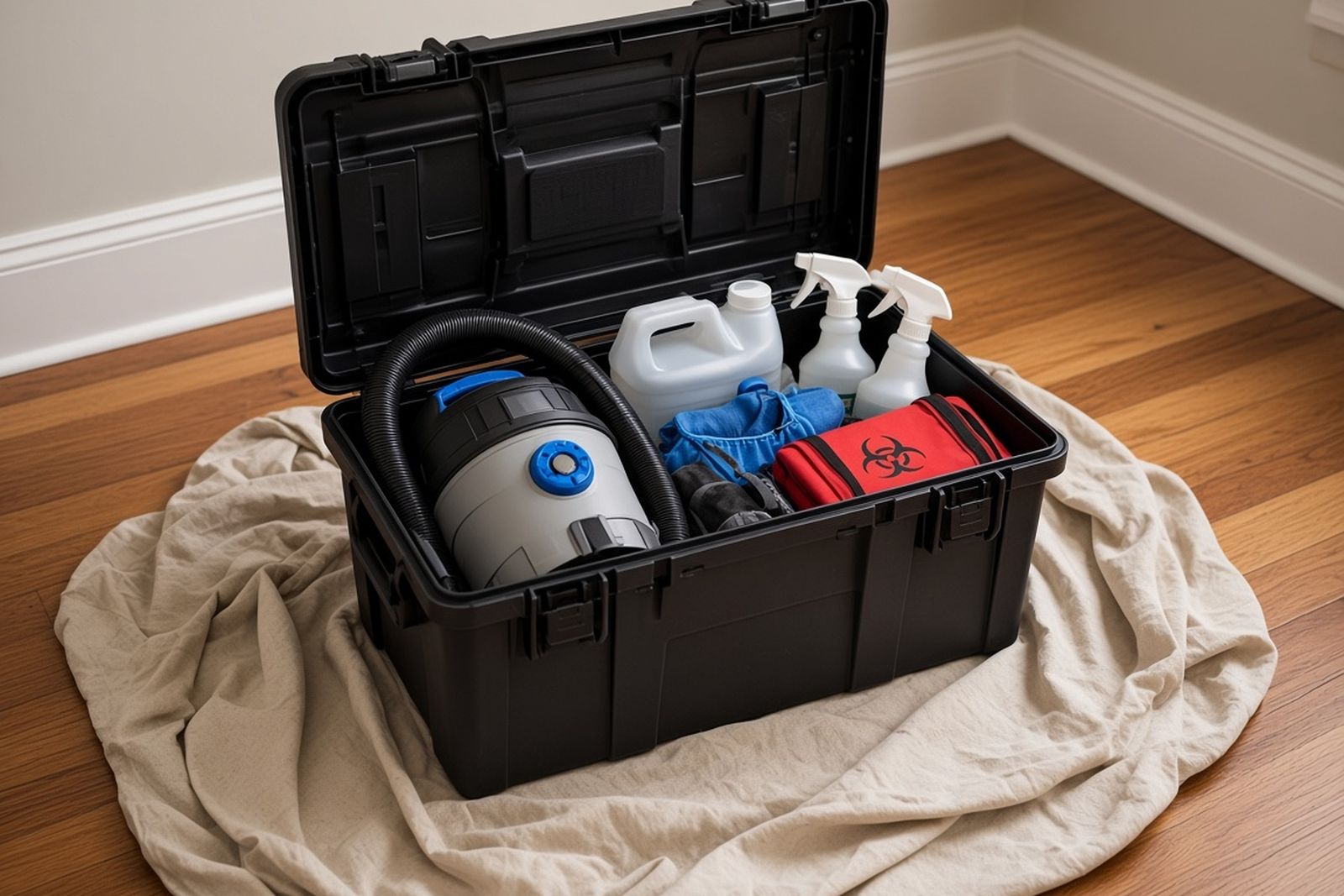 How to Evaluate Equipment Proposed for Crime Scene CleanupFor each item on the list, ask what it does, why your scene needs it and how its use will be recorded. Protective gear should match the hazards. Disinfectants should be EPA-registered for germs carried in blood and used as the label directs. Air filtering should fit the work, and the tools used for final checks should leave you with records. Be wary of equipment that is vague, excessive or unexplained.
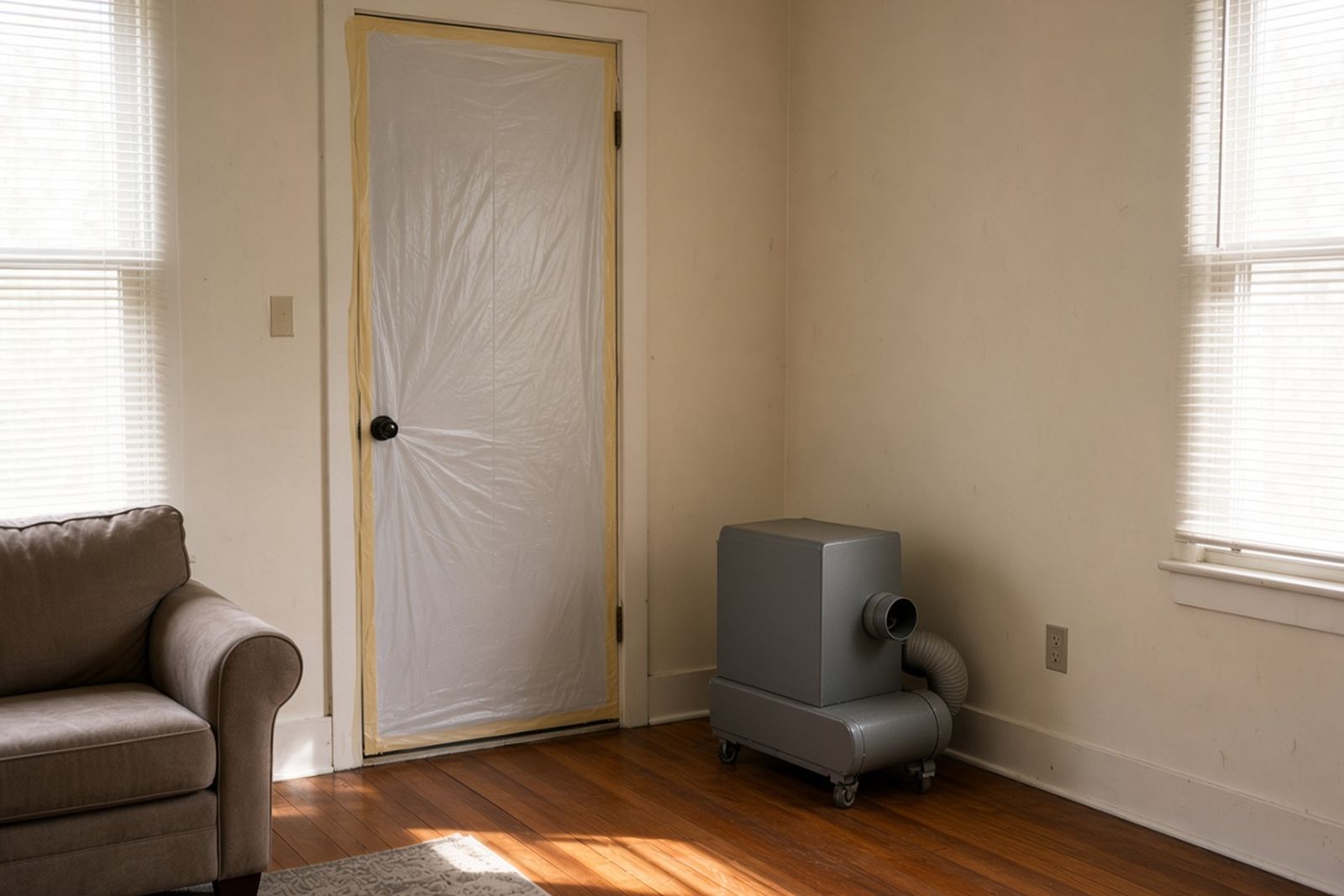 10 Crime Scene Cleanup Safety Risks to Assess Before Work BeginsBefore cleanup begins, someone should check ten risks. They are germs carried in blood, sharp objects and broken glass, hidden blood, chemical hazards and dust in the air. They also include damage to the building, site security and unexpected items, utility hazards, heat stress in protective gear and emotional strain. A good company finds each risk during its walkthrough. It tells you how it will control each one and writes the plan down before work starts.OSHA Regulations and Crime Scene CleanupOSHA rules apply to employers, not to you as a property owner. For crime scene cleanup, the key federal rule is the Bloodborne Pathogens Standard. It requires a written exposure control plan, training, an offer of hepatitis B vaccine, protective gear and records. Rules on breathing protection, general protective gear and chemical hazards also apply. You can ask a company to show how it meets each one before work begins.
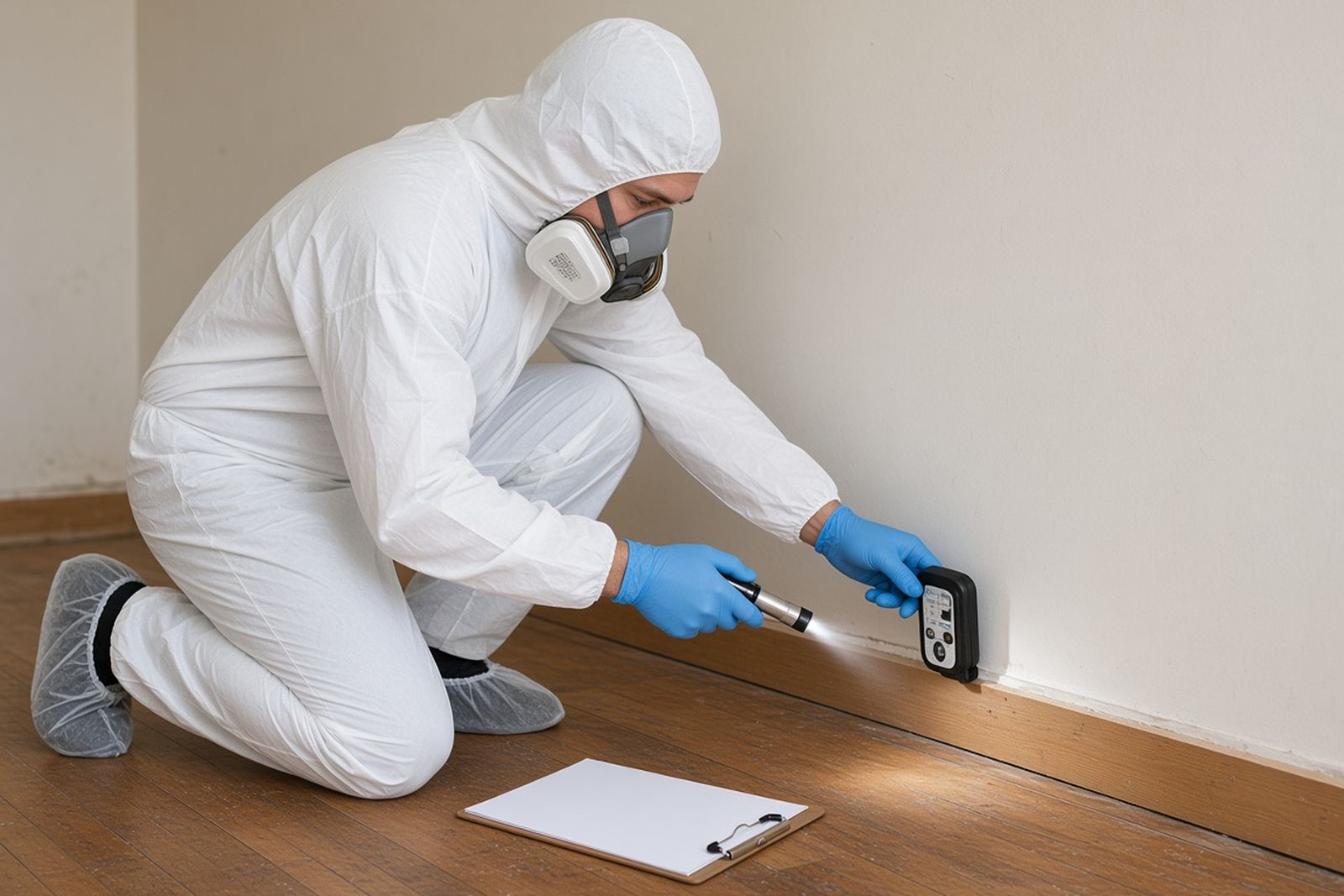 Red Flags When Hiring Crime Scene Cleanup ServicesThe biggest red flags are companies that approach you uninvited, hint that they work for the police, or promise that victim compensation or insurance will pay. Watch for quotes given without seeing the scene and plans that ignore fingerprint powder and forced-entry damage. Be wary if a company cannot show where regulated waste will go. A company you can trust waits for the police release, puts its work plan in writing and protects your privacy.When ATP Testing Helps—and When It Does Not—in Crime Scene CleanupThis quick swab test checks hard, sealed surfaces for leftover organic residue after blood has been removed. It does not detect germs carried in blood or prove that disinfection worked. It does not check for fingerprint powder or police test chemicals. It cannot see inside carpet, drywall or subfloor. Treat the readings as one piece of evidence inside a written plan for checking the work, not as a certificate of safety.How to Evaluate Technology Used in Crime Scene CleanupTo judge any tool, ask what problem it solves and whether it supports hand cleaning or claims to replace it. Ask what the product label or maker says, what its limits are and how the results will be recorded. Useful tools include HEPA air filters, moisture meters, sprayers used after cleaning and digital reports. No device makes up for removing blood and soiled materials by hand.