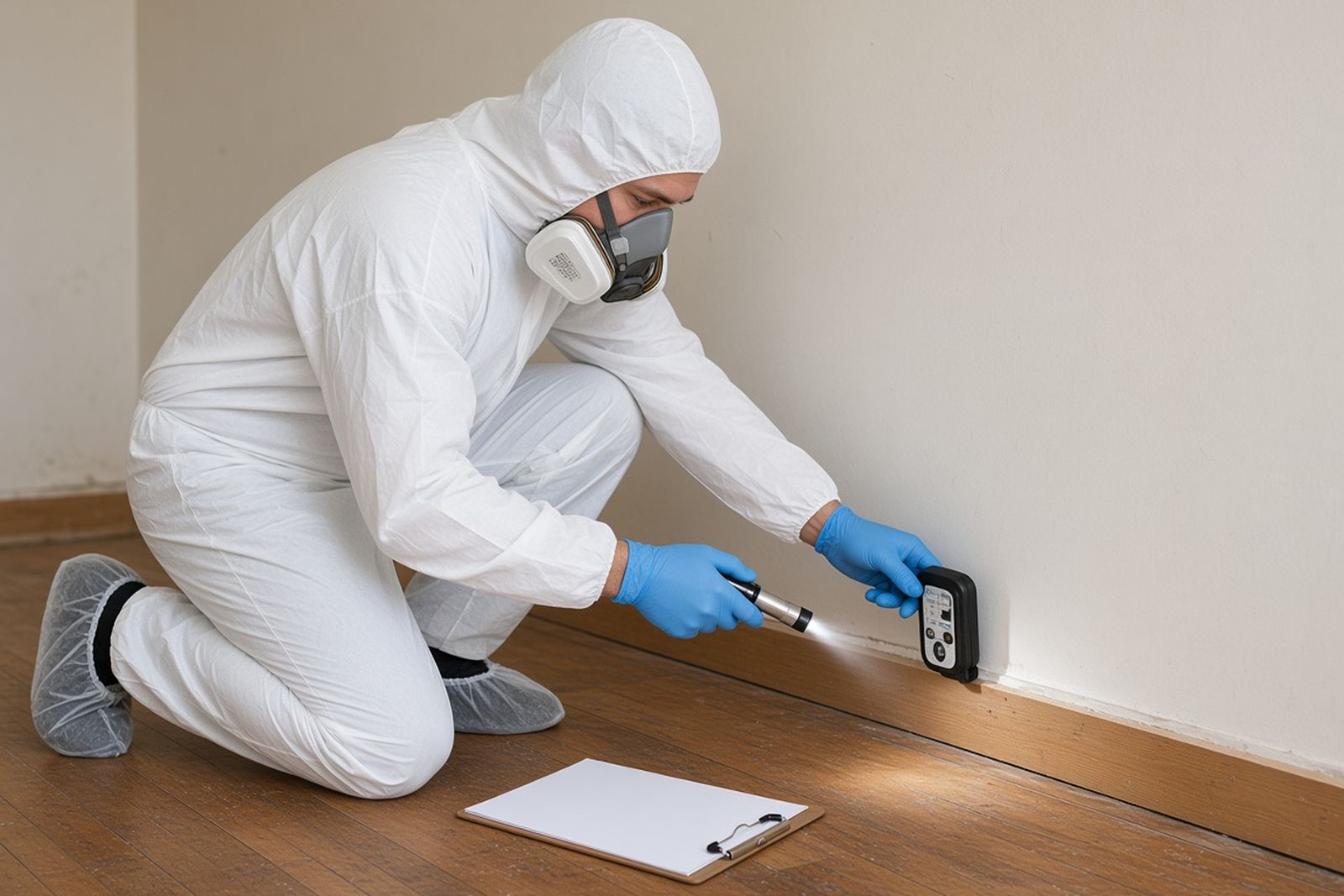
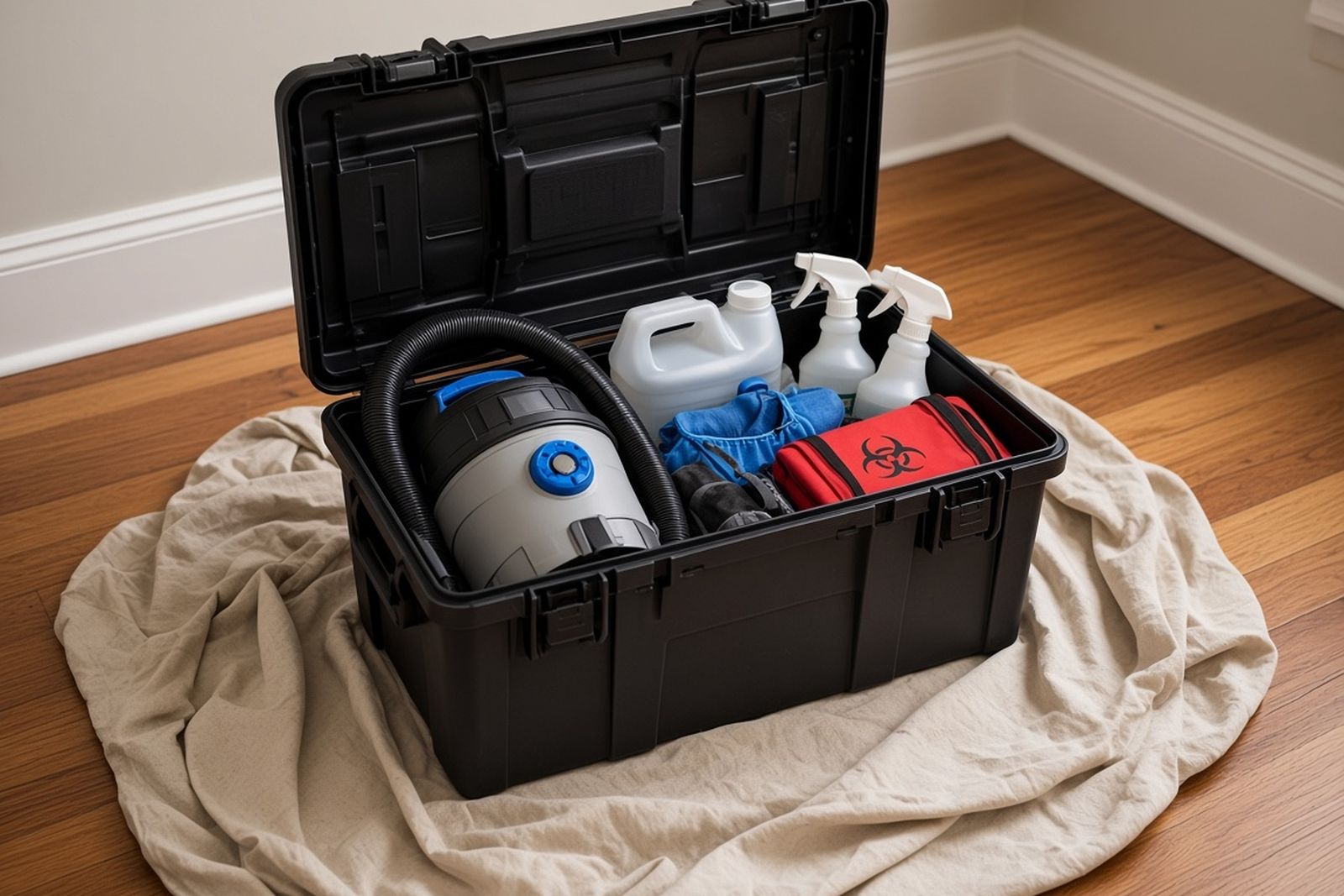
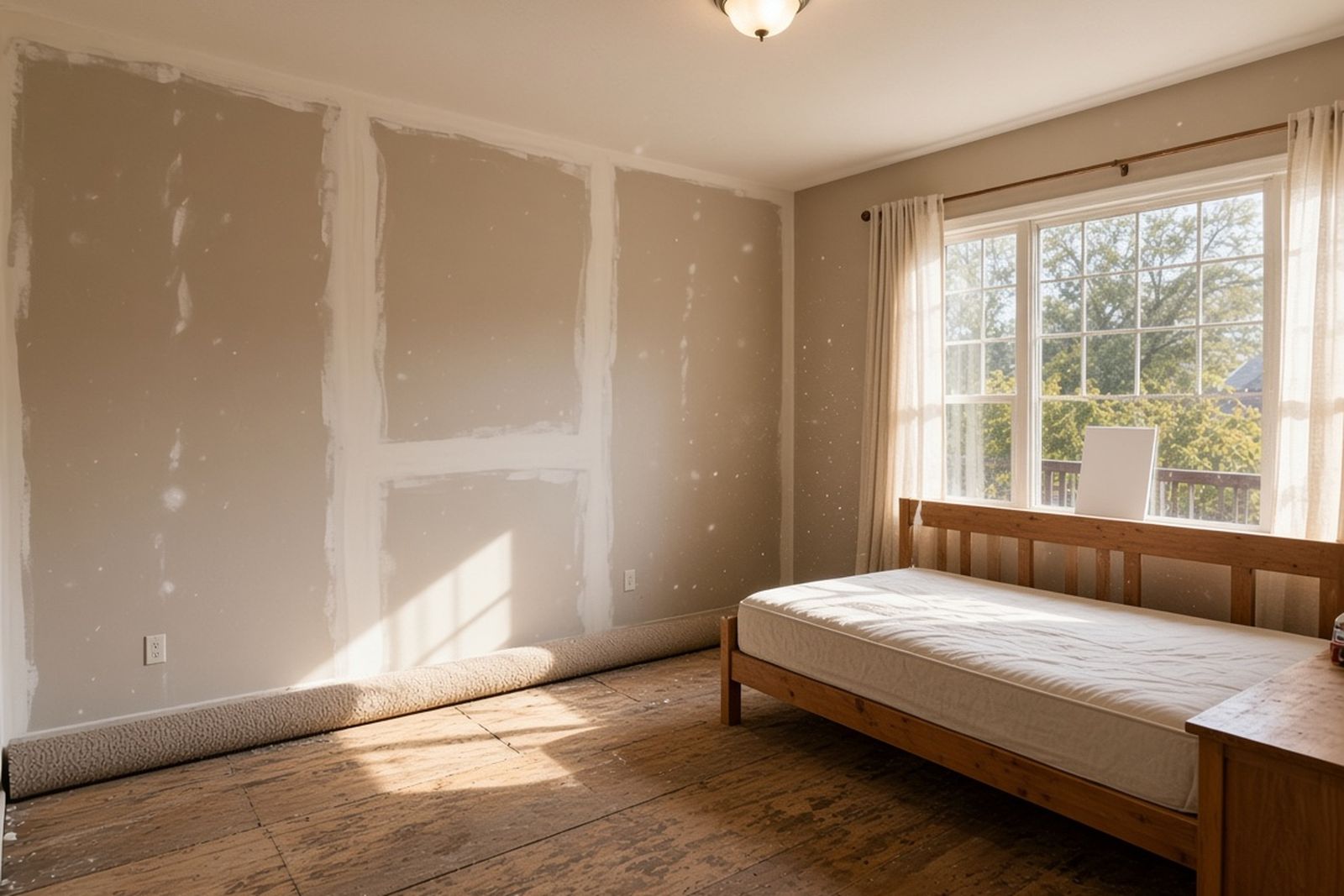
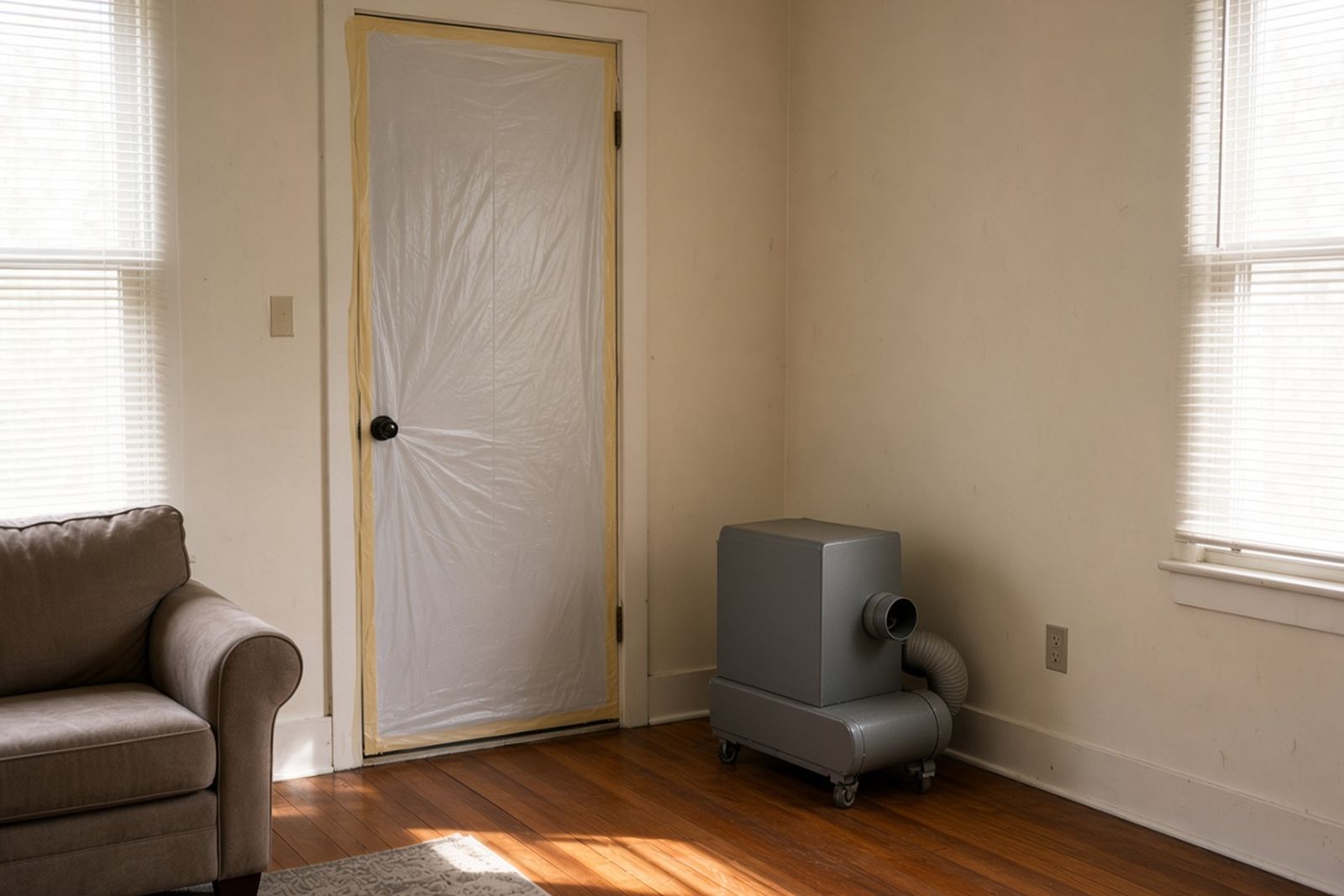
About 15,000 people live on the Fairfax County acreage along the gorge at Great Falls. Your lot likely has a private well, a septic drain field and a gravel spur, with park lookouts and their visitors not far away. Homes here tend to be large colonials or modern compounds with a separate workshop, not tall buildings. After police release your home, the crew needs to trace where residue went through the finishes. Ask them to check any deck over the ravine too, since creek runoff keeps those boards damp. Lower rooms near the creek will also dry slowly.
Your well and septic system set the biggest limit on this job. Indoors, the work follows blood safety rules and label wet times, just as it would in a Fairfax town house. Outdoors, rinsing has to be kept to a minimum. Wash water that runs toward a wellhead or drain field is a failure, even when the indoor work is sound, so show the crew where both are. Privacy matters as well. In tourist season, more walkers near the park lookouts may notice open doors and odors. On a quiet lane, a strange box truck is easy to remember.
The county health department can answer your questions about wells and septic systems, as well as general health questions. Ask the company for photos of the workshop, the mudroom and any ravine deck. The file should record how far the work stayed from your wellhead and drain field, kept next to the waste tracking notes. That record may matter if you ever sell, because buyers ask about private water. Near the creek, sign-off has to wait until damp rooms have actually dried. Expect that to take extra days.