Field guide
Crime Scene Cleanup: Qualified Provider Checklist
Compare crime scene cleanup companies with a simple checklist. Check who signs, worker safety, scope, waste, insurance, proof of work, and the handoff.
Who this is for: Owners, families, landlords, and building managers who are comparing cleanup companies after the scene is released.
Updated 2026-08-01. Rules differ by state and city, so check the details with your local authority.
Ask about your situation
Your request is sent to the follow-up inbox. A coordinator can reply by email. Not for emergencies; call 911 first if anyone is in danger.
In short
The short answer
Judge a cleanup company by its work plan and the proof it can give you. A badge, a flashy truck, or a claim of being certified is not enough alone. Before you sign, confirm the scene has been released and find out who has the right to sign the contract. Ask for a written work plan made for this site, ask how the company protects its workers, and check the insurance yourself. Follow the waste to a proper place, and agree on what "finished" means. Licensing and waste rules vary by state and by material, so the company must tell you which rules really apply to your home and this job.
Start with who is in charge, the scene release, and who signs
Before you compare companies, find out if the officials in charge have released the area. Ask if any rooms, items, records, or ways in are still off limits. Police leaving, an unlocked door, or a message passed on by a neighbor is not the same as a written release. Write down which agency or official released it, and when. Note any areas still closed and who is allowed to approve work on your home. A good cleanup company never disturbs evidence. It never suggests it can overrule police, the medical examiner or coroner, or fire, health, or building officials.
You also need to know who can sign the contract and approve changes, because different people may control different choices. It may be the owner, tenant, or estate contact, or it may be a property manager, insurer, lender, or public agency. A good company asks about this and does not push the first person it meets. Write down who controls entry and personal items, who approves tearing out materials, and who talks to the insurer. Note who handles waste papers and who accepts the final work. This step saves you from fights later over removed items, private photos, bills, and rebuilding. It also keeps kind talks with family apart from the legal right to change a building.
- Write down the scene release and any areas still closed.
- Name the person who can approve tearing out materials.
- Keep family talks apart from who controls the property.
- List contacts for the insurer, landlord, estate, and building.
Ask for a look at your actual site, not a one-size package
A sound bid starts with what the company actually saw at your property. It should name the rooms and building parts it checked, the material it could see, and where fluid may have spread. It should sort hard, sealed surfaces from soft ones that soak things up. It should note shared halls, heating and cooling or plumbing concerns, utilities, and limits on access. It should list personal items that need their own choice. The review should keep facts apart from guesses and name any areas it could not check. Square feet alone cannot describe what is inside carpet pad, floor seams, wall spaces, car parts, or contents. A set package offered before these questions are answered is not a work plan you can rely on.
You can test a bid by asking the estimator to tie each step to something they saw. Why is a sealed-off work area needed? Why can a surface stay? Why must a wall or floor be opened? Why does a product fit the job? How will they check the agreed finish line for the job? Plans may change once careful removal shows a hidden problem, and that chance belongs in a written process for changes. Turn down vague lines like "full sanitation" or "complete decontamination" unless the company spells out the area, method, materials, limits, and what counts as done. Clear detail makes your bids easier to compare, and it cuts down on surprise tear-outs.
Judge worker safety by the tasks, not by the suits
How a company protects its workers tells you a lot about how it will treat your property. Some workers are exposed on the job to blood and other body fluids that can carry disease. For them, OSHA has a rule called the Bloodborne Pathogens standard. It covers a written plan to control exposure, equipment and safe work habits, and protective gear. It also covers training, the hepatitis B shot, care after an exposure, and record keeping. OSHA has said this rule applies to contractor staff who clean blood after homicides, suicides, and deaths where no one was present. That is a duty of the employer, and it does not create a license for the public to check. A website that says workers are "OSHA certified" does not, by itself, prove the company follows the rule.
So ask how the company looked at the risks of your job. These include splashes, sharp objects, skin contact, tasks that throw droplets into the air, and chemicals. They also include tight spaces, heat stress, lifting, electricity, and the soundness of the building. Protective gear should match those tasks, with a plan for putting it on and taking it off. There should be a plan to throw it out or clean it, and to wash hands. Using a respirator mask can bring in a separate OSHA program that covers a health check, fit testing, choosing the mask, training, and upkeep. A photo of a mask is not proof. The company should also explain to you its clean way in, its dirty way out, and how it controls tools. And it should explain how workers avoid tracking material through lived-in or shared areas.
Check products, labels, and the choice to clean or remove
You can check a company's product claims yourself, because the label is public. Disinfectants that claim to kill germs count as pesticides under the law, and the current label approved by the EPA controls their use. It sets the germs, the surfaces, how to mix the product, how to apply it, and how long it must stay in contact. It also sets safety steps, storage, and disposal. Ask for the product name and its EPA registration number, and then compare the planned use with the label. Being registered does not mean a product suits every surface or event. Some things cannot replace following the label and removing the heavy soil first. These include a stronger mix or a longer time for how long the disinfectant must stay wet. They also include fogging, a nice scent, or a broad "hospital grade" claim.
The bid should tell you which materials will be cleaned, removed, sealed off, or sent to a specialist. Hard surfaces that are intact and suit the product may call for a different choice than soft ones. Soft ones include soaked carpet pad, insulation, bare wood, swollen particle board, and furniture fabric. They also include anything behind a finish you cannot reach. Ask how seams, edges, holes for pipes or wires, nail holes, and the undersides of things were checked. If an item stays, the work plan needs a method and a test for what counts as done. If it is removed, the record needs a place and a reason. Cost or your feelings may shape the choice. But they cannot make a hidden, soaked spot something you can check.
Follow the waste, and do not accept one label for everything
Waste from your property is sorted by material, and by the rules where it is made, moved, and received. OSHA defines "regulated waste" for its rules on blood exposure at work. Other agencies may cover other steps, including transport, environment, health, and trash agencies. Not every item from a scene belongs in the same red container. Calling all debris "medical waste" can mislead you as much as treating it all as normal trash. Ask the company to name each type of waste and the legal reason for how it is handled. Ask how it is packed, who hauls it, where it goes, and what records are needed.
Look for a handoff you can trace, not just a promise to dispose of it. Your contract should say who counts as the waste generator, when that applies. It should say how sharp objects are handled, where liquids go, and if chemicals change how waste is disposed of. It should say which papers will come back to you and what happens if the receiving site turns a load away. Do not accept dumping into storm drains or outdoors, and do not accept an unnamed "approved facility." Photos of bags do not prove a lawful drop-off. Useful proof is clear paperwork tied to this job. Private details about your property should go only to people who need them.
Check insurance, business details, and subcontractors yourself
A few checks of your own will tell you whether the company is what it says it is. Confirm the legal business name, a real mailing address, and the person in charge of your job. Confirm any state or local registrations the company says apply. Rules vary, so do not assume one national license covers all crime scene cleanup. If a license or certificate matters to your choice, check it with the group that issued it. Confirm what it covers, who holds it, and if it is current. A training certificate may show that one person took a course. It does not prove current insurance, lawful waste hauling, or fair hiring practices. And it does not prove good work on your property.
Insurance deserves the same care, so ask for proof and check key coverage with the agent or insurer, not just a logo. Ask about general liability, workers' comp where it is required, pollution or environmental coverage, and auto coverage for hauling. Ask about limits, exclusions, and if subcontractors are used. Your contract should say who employs the workers and who supervises them. It should say who is responsible for the waste and the paperwork. Another company may handle hauling, cleaning of belongings, testing, tear-out, or rebuilding. If so, you should see its role and insurance before work begins.
Agree on "done," the final file, privacy, and open items before you sign
"Done" should be a choice backed by records, not a claim that your home is "100 percent safe". Agree on the proof before work starts. That may include a map of affected areas, photos, daily or task records, and what was removed and what stayed. It may include product and label details, waste records when they apply, and checks of opened edges and seams. It may include tests tied to a stated question, and a list of what is not included. No single check can answer every question you have. That goes for one odor check, one air sample, one walk-through, or a quick swab test that shows leftover organic residue (it does not detect germs). Those cannot settle every germ, chemical, building, or hidden problem. The method must fit the hazard, and it must explain what a result can and cannot show.
The final file is what you keep, so settle what goes in it before you sign. It should keep cleanup apart from repairs and name rooms cleared for normal use and areas still closed. It should list rebuilding needs and problems that need a specialist or an official. Set privacy rules for photos, reports, online storage, marketing, and how long records are kept. Private images should never be used for ads without clear, informed permission. Keep warranty wording narrow and easy to read. No contractor controls future leaks, pests, hidden damage, what people living there do, or unrelated odors. A good company leaves the person in charge with a clear record of what was found, what was done, the limits, and who is responsible next.
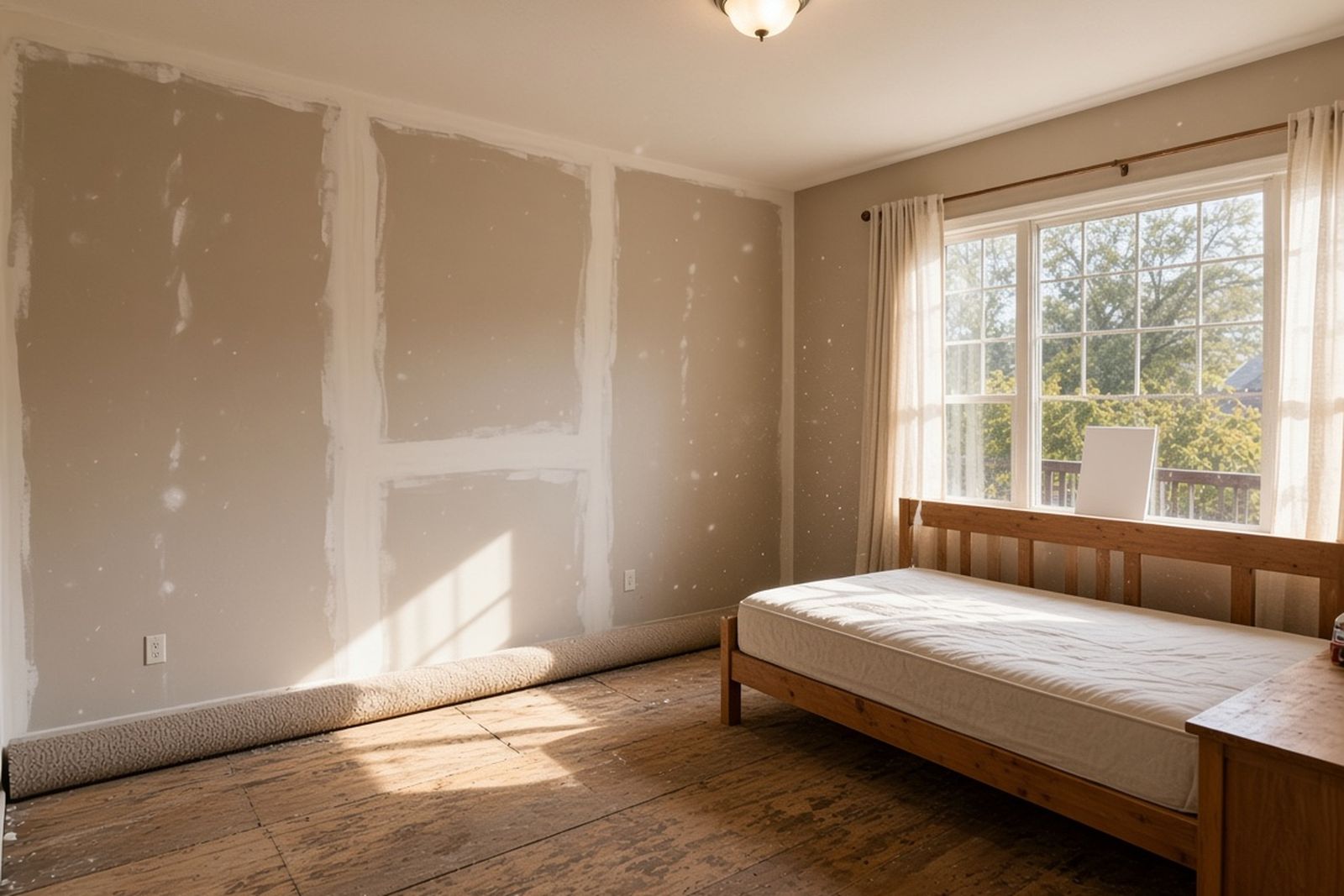
What to do in each case
Use things you can see and check to tell a sound bid from a sales pitch.
| What to check | Good proof | Warning sign |
|---|---|---|
| Who is in charge and access | Named source of release, approved signer, written limits | Pushing to enter or move items before release |
| Scope | Notes on rooms and materials, tied to steps and exclusions | Flat package or "full sanitation" with no limits |
| Worker safety | Exposure controls per task, training, gear, and a plan after exposure | A suit or "OSHA certified" given as the whole answer |
| Products and materials | Current labels plus clean, keep, remove, and check choices | Fogging or a nice smell offered as proof of cleanup |
| Waste | Sorted waste types, legal basis for hauling, where it goes, final records | Every bag called medical waste, or no named destination |
| Finish | Records agreed in advance, inspection, limits, and work left | Promises of total safety, no germs, or no odor |
Checklist
- 1Confirm the scene release and write down any areas still closed.
- 2Check who can sign, approve tear-out, and accept the finished work.
- 3Ask for a review that maps rooms, materials, spread paths, and spots no one could reach.
- 4Tie every major line item to something seen or a stated guess.
- 5Ask how OSHA duties and other worker safety steps apply to the real tasks.
- 6Write down products and their EPA numbers, with label uses, contact times, and limits.
- 7Keep choices apart: clean, keep, remove, send to a specialist, or rebuild.
- 8Name the waste types, who hauls them, where they go, and what papers come back.
- 9Check the business, its claimed licenses, insurance, and subcontractors yourself.
- 10Set who approves changes, how prices are counted, what is excluded, and how to cancel.
- 11Agree on what will be checked and what counts as done before work starts.
- 12Ask for a private final file and a list of open items and who owns them.
Common questions
Is there one national certificate every crime scene cleaner must have?
No. No single national license for the public shows that every company is fit for every crime scene cleanup. OSHA rules apply to employers and workers when there is exposure that the rules cover, so they are not a general approval of a contractor. States and local areas may set their own rules for business, waste, hauling, health, building, or special work. Ask each company which rules apply to your job, and check key licenses or certificates with the group that issued them. Then weigh everything together: the site plan, insurance, worker safety, the waste path, the paperwork, and the limits.
Does using an EPA-registered disinfectant prove the job will be safe?
No. EPA registration backs the uses printed on a pesticide product's label. It does not prove the heavy material was removed, hidden areas were checked, or the surface suits the product. It does not prove the right mix and contact time were used, or that other hazards were handled. Read the current label, and then read the company's record of where and how it used the product. Being done also depends on removing the source, making good choices about materials, controlling access, inspecting, and handling waste. It may also call for a focused test, if the job calls for one.
What should I compare when bids have very different prices?
First make the bids match before you compare totals. Line up the affected area, the sealed-off work area, the labor guesses, and which materials stay or go. Compare how belongings are handled, the equipment, the products, the waste hauling, the paperwork, the checks, after-hours access, what is excluded, and any rebuilding. One bid may include a lot of tear-out while another assumes cleaning, and one may leave out waste or repairs. Ask each company to price unknowns as set units or options and to explain what it saw behind each major step. The lowest total is not a fair match if it leaves out the agreed finish line you need.
Should the cleanup company also do the rebuilding?
It can, but the two jobs should stay separate. Cleanup deals with the affected material and records when it is done. Rebuilding replaces finishes and brings back use or looks. Keep the descriptions, prices, approvals, and tests for done separate, so new finishes are not treated as proof the cleanup was complete. If one company does both, ask for a cleanup sign-off before hidden areas are closed up. Find out which insurance and trade rules apply to each part. Keep the photos and removal records before new materials cover the work.
What records should the company give me at the end?
Ask for the final map of affected areas, photos that suit the job, access and work records, and notes on what was removed and what stayed. Ask for product names and label details, waste or drop-off records when they apply, and check results with their limits. Ask for change orders, bills, a list of open problems, and the handoff notes for rebuilding. The file should say what was not inspected. It should not promise a germ-free home or that odors are gone for good. Share graphic or identifying records only with approved people, and ask the company how long it keeps them.
Should I ask a provider for references?
References can help, but ask for ones from jobs like yours, such as a similar property type or situation, and ask focused questions. Did the provider explain its scope clearly? Did it handle changes in writing? Did it respect privacy and belongings? Did the closeout match what was promised? Remember that references are chosen by the provider, so weigh them alongside the written scope and your own direct checks.
What are signs that a provider is overselling?
Watch for guarantees of total sanitation or permanent odor removal, blanket claims that everything is hazardous, pressure to sign before you've seen a scope, and vague answers about waste or worker protection. Be cautious if a provider says it can coordinate coverage for you or says it doesn't need to see the space. A trustworthy provider explains its reasoning, writes it down, and admits what it doesn't know yet.
Sources
These official sources back up the safety and process points above. Use them when you talk with your local office or a cleanup company.
Use this guide with the planning tools
Open the provider vetting checklist to turn these questions into a checklist you can send to any provider. When you are ready to compare providers, the vetting checklist turns the questions in this guide into a list you can send.
Related articles
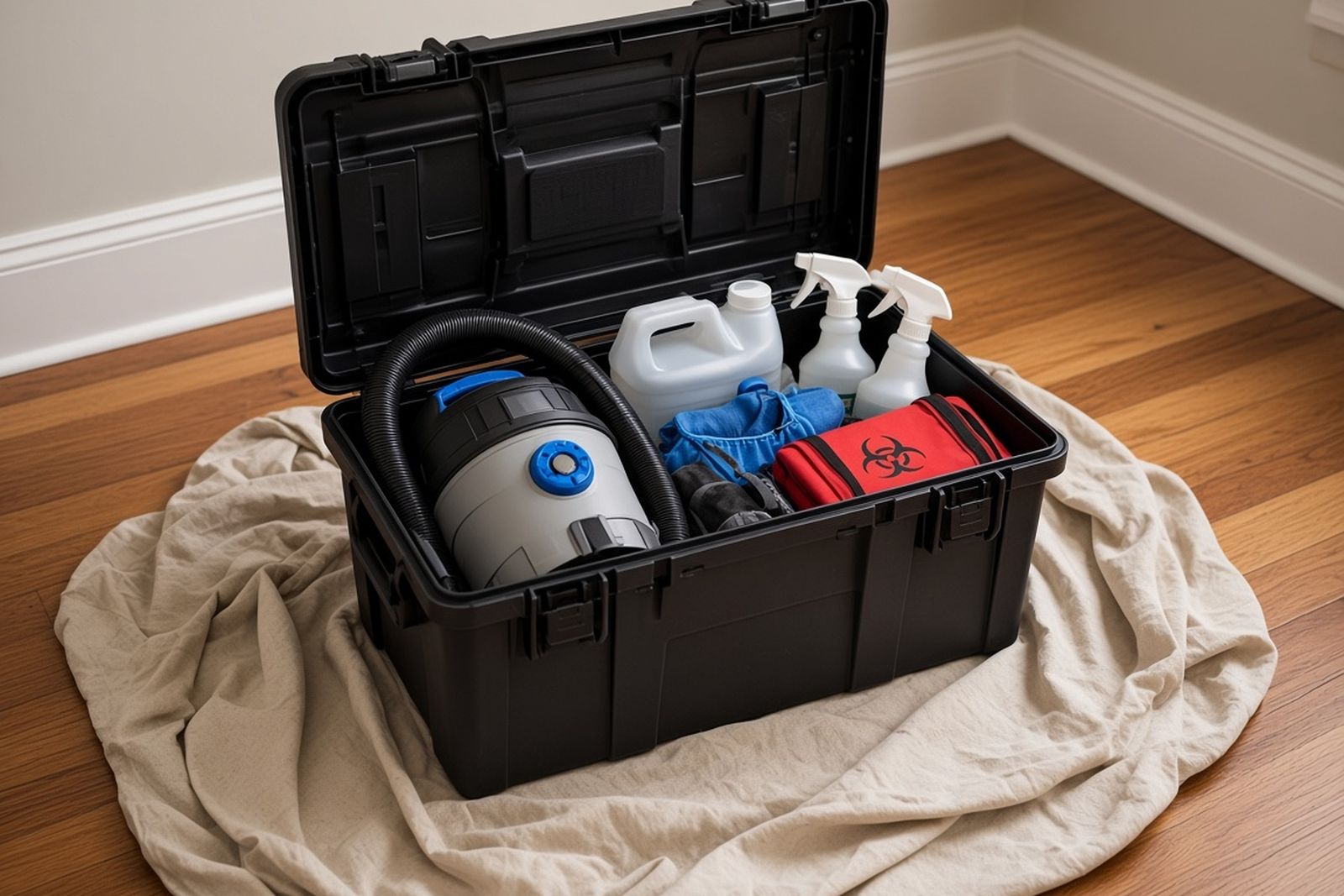 What to Expect During Professional Crime Scene CleanupProfessional crime scene cleanup usually follows a clear order. Police release the scene. A company inspects it and writes a work plan. The crew closes off the area and puts on protective gear. It removes soiled materials, cleans police residue, disinfects what remains, packs the regulated waste and checks the results. You should get records and a clear account of what was cleaned, removed and left for repair.
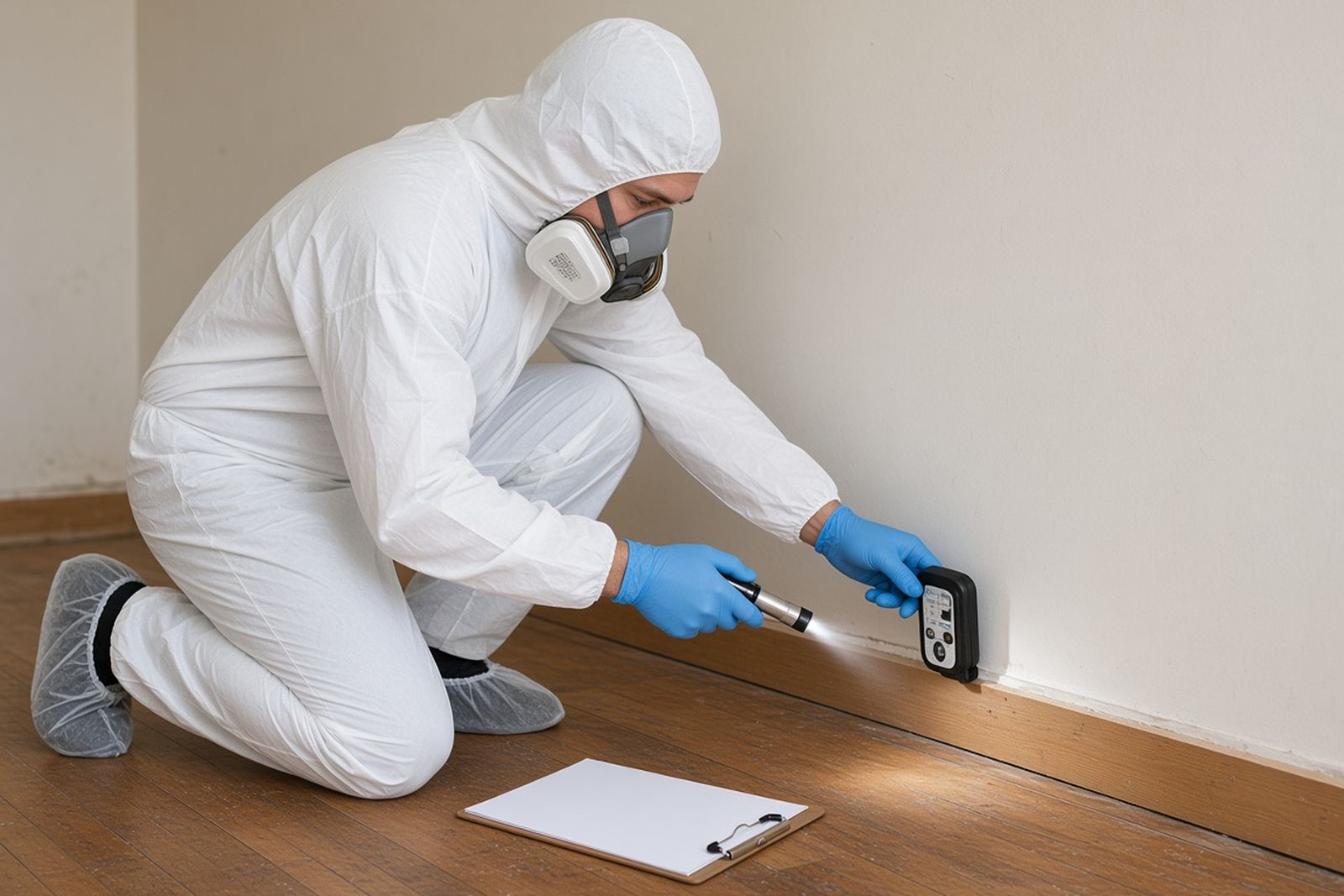
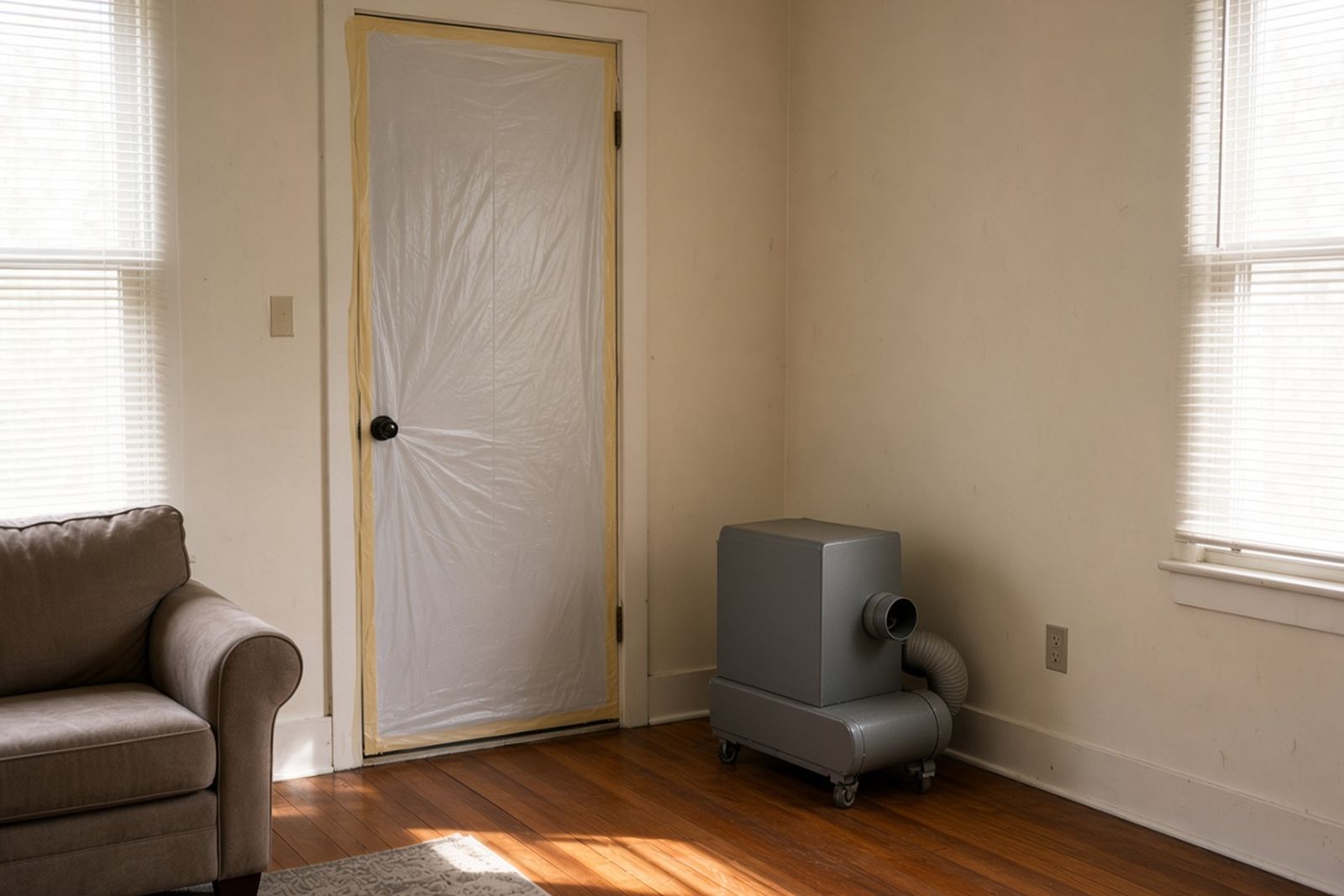 DIY vs Professional Crime Scene Cleanup: The Critical DifferencesThe real difference is not effort. It is training, equipment and records. Trained crews treat all blood as able to carry disease and find what soaked below the surface. They clean first, then keep the disinfectant wet for the time its label requires. They pack waste as regulated material and give you records for insurers and victim compensation. Household cleaning often misses hidden material and puts you at risk. There are safe tasks you can do instead.10 Crime Scene Cleanup Safety Risks to Assess Before Work BeginsBefore cleanup begins, someone should check ten risks. They are germs carried in blood, sharp objects and broken glass, hidden blood, chemical hazards and dust in the air. They also include damage to the building, site security and unexpected items, utility hazards, heat stress in protective gear and emotional strain. A good company finds each risk during its walkthrough. It tells you how it will control each one and writes the plan down before work starts.
 How to Research Waste Rules for Crime Scene CleanupStart by sorting what the job will produce: regulated waste, sharp objects, chemical waste and ordinary debris. Then find the state agency that oversees medical waste, since EPA's federal program ended in 1991. Check whether haulers must register, what packing and tracking records apply, and what your local landfill accepts. Last, ask each company to show how its disposal meets those rules.The Difference Between Cleaning and Disinfection in Crime Scene CleanupCleaning removes blood, residue and debris from a surface by hand. Disinfection uses a registered product to kill the germs that remain, and the product must stay wet for the full time on its label. Cleaning must come first, because leftover blood and soil block disinfectants. Soft items that soaked up blood are usually removed, not disinfected. The result should be checked and put in writing for you.When ATP Testing Helps—and When It Does Not—in Crime Scene CleanupThis quick swab test checks hard, sealed surfaces for leftover organic residue after blood has been removed. It does not detect germs carried in blood or prove that disinfection worked. It does not check for fingerprint powder or police test chemicals. It cannot see inside carpet, drywall or subfloor. Treat the readings as one piece of evidence inside a written plan for checking the work, not as a certificate of safety.