Short answer
Enzyme and microbial products can help crime scene cleanup by breaking down dried blood proteins on hard or semi-porous surfaces like grout, concrete and sealed wood, and by reducing lingering odor. They are cleaners, not disinfectants, unless a product's EPA registration says otherwise. They belong after bulk removal and before disinfection, and they do not rescue carpet, mattresses or drywall that blood has saturated.
What do people mean by bioremediation at a crime scene?
In environmental work, bioremediation usually means using microorganisms to break down pollutants in soil or water. In crime scene cleanup, the term is used more loosely. Most of the time it refers to two kinds of products: enzyme cleaners, which contain proteins that break apart organic matter, and microbial or bacterial cleaners, which contain live, beneficial microbes that digest residue over time.
Both can be useful tools. Neither is magic, and neither replaces the core work of removing blood, disposing of contaminated materials and disinfecting cleaned surfaces with a registered product.
Because the word bioremediation sounds scientific, it sometimes appears in marketing without much explanation. Knowing what these products actually do will help you understand whether they belong in your scope.
How enzyme cleaners break down blood
Blood is rich in proteins. As it dries, those proteins bind tightly to surfaces and to each other, which is why old blood stains resist ordinary detergents. Enzyme cleaners often contain proteases, which cut protein chains into smaller pieces that can be lifted and rinsed away.
That makes enzymes particularly helpful on textured and semi-porous surfaces where scrubbing alone struggles: grout lines, unsealed concrete, brick, textured tile, the edges of sealed wood floors and some upholstery that is being cleaned rather than discarded. They can also help in the crevices of vehicle interiors.
Enzymes need time, moisture and a suitable temperature to work. A product sprayed on and wiped off right away will do little. Technicians follow the label for dwell time, keep the surface damp and then agitate and rinse.
Enzymes are especially valuable where blood has dried for days. On a sealed tile floor cleaned within hours of police release, a good detergent may do the job. On a concrete patio where blood sat through several warm afternoons, the extra dwell time and protein-breaking action of an enzyme cleaner often makes the difference between a faint shadow and a truly clean surface.
Cleaners, not disinfectants, and the order of use
Enzyme and microbial cleaners break down organic soil; they are not designed to kill pathogens such as hepatitis B, hepatitis C or HIV. A product may only be sold with disinfection claims if it is registered for those claims. Under FIFRA, EPA must register every pesticide sold or distributed in the United States, and disinfectants count as pesticides.
That is why a crime scene scope should list a separate disinfection step using an EPA-registered product appropriate for bloodborne pathogens, applied according to its label and wet contact time. The enzyme step makes that disinfection more effective by removing the organic material that would otherwise shield microorganisms.
If a provider describes an enzyme or bacterial cleaner as killing everything, ask to see the product's EPA registration and label. If it is not registered as a disinfectant, it should not be presented as one.
Some products on the market combine a cleaning action with a registered disinfectant claim in one formula. These can be appropriate, but only for the organisms, surfaces and contact times listed on the label, and many still require a precleaning step when heavy soil such as dried blood is present. Read the directions rather than relying on the product name.
Sequence matters. Many disinfectants are harsh on proteins and living cells by design, so they can deactivate enzymes and kill beneficial microbes. Using them at the same time wastes both products.
A typical sequence at a crime scene looks like this, though every job is different and labels always govern.
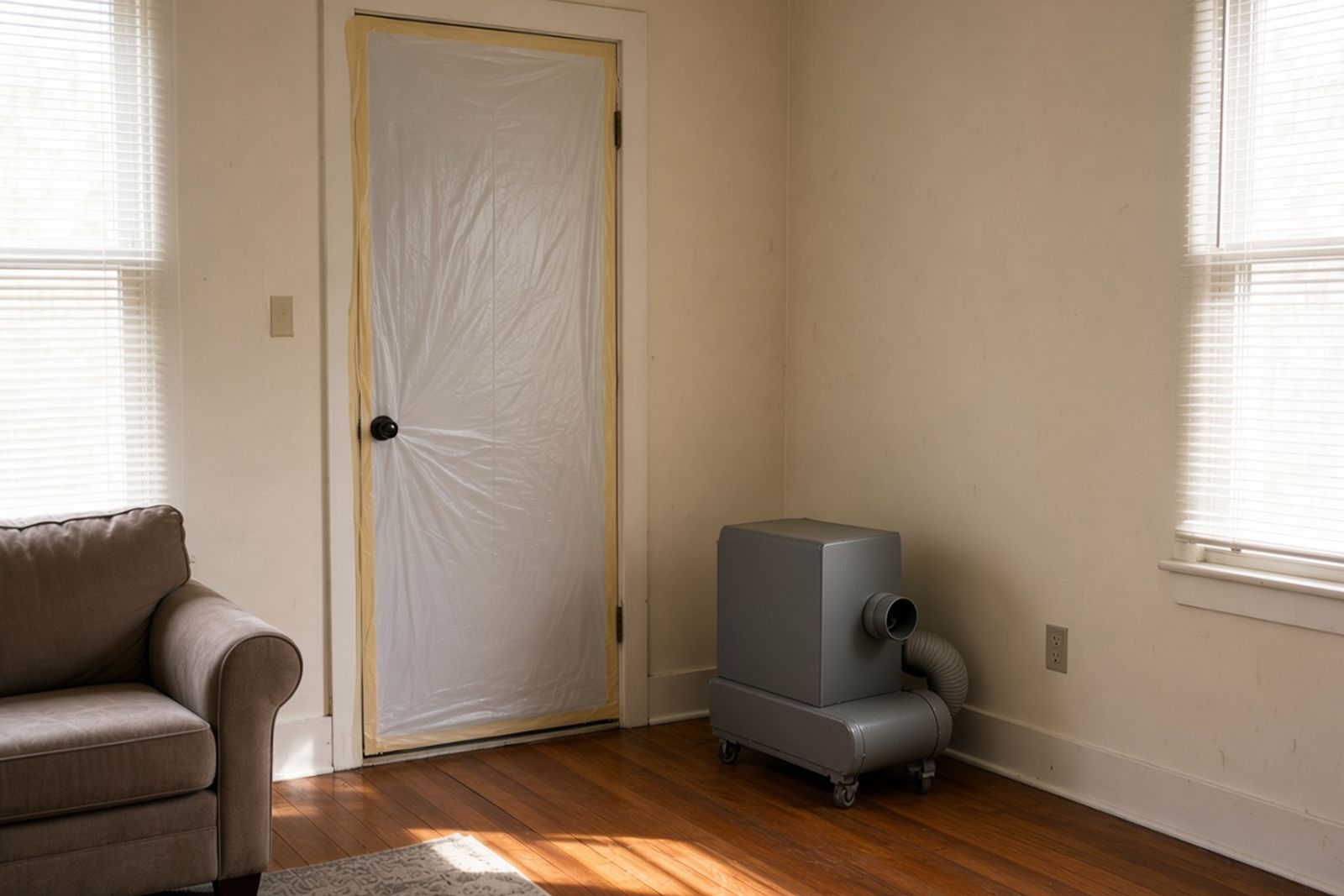
- Contain the area and remove bulk material and contaminated porous items
- Apply the enzyme cleaner to affected hard or semi-porous surfaces and allow the labeled dwell time
- Agitate, then rinse or extract residue with minimal water
- Inspect for remaining staining and repeat the enzyme step if needed
- Apply an EPA-registered disinfectant and keep surfaces wet for the full contact time
- Rinse or wipe as the disinfectant label directs, then dry and document
Limits: saturated materials, residue and odor
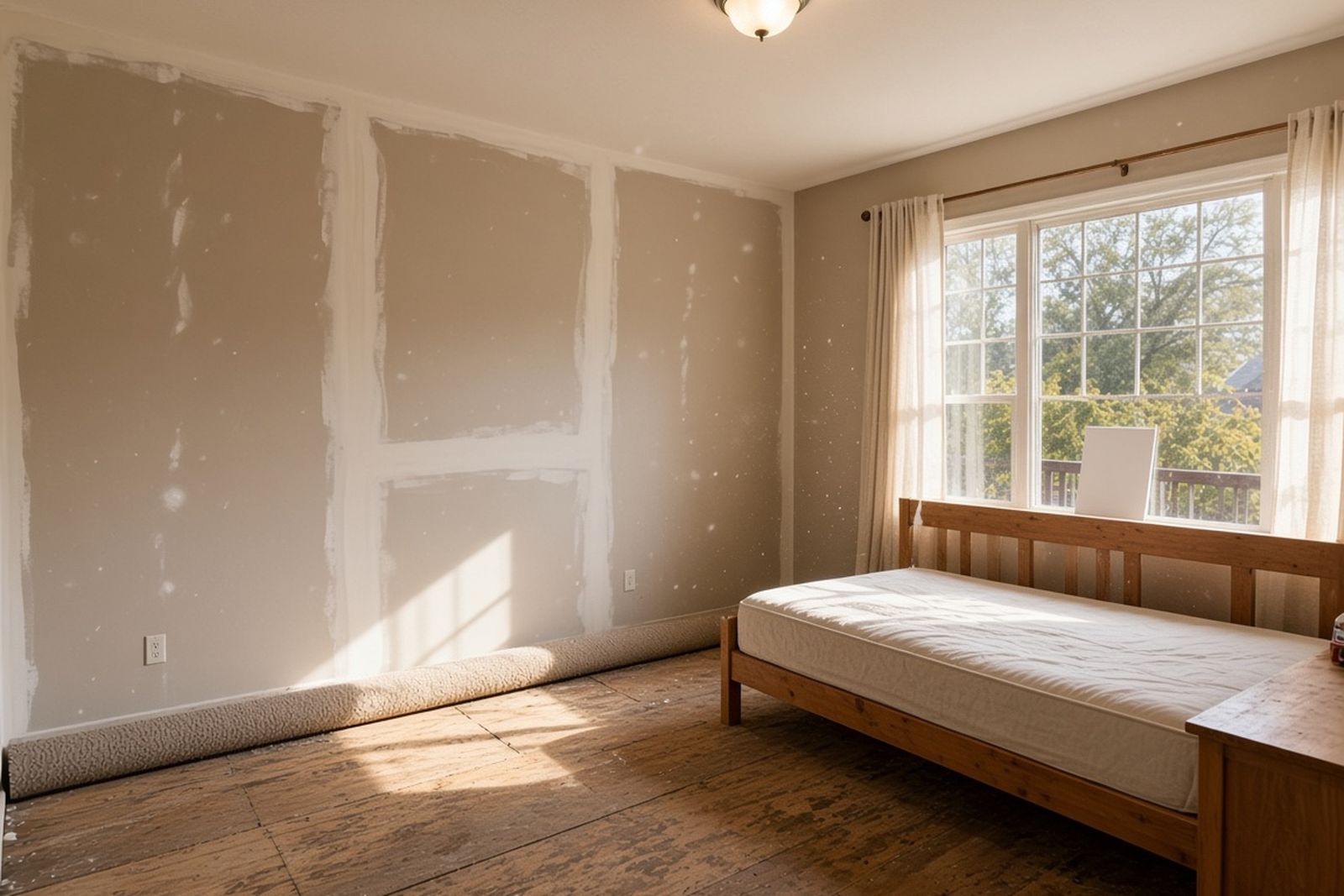
Enzymes cannot reach blood that has soaked deep into porous materials. Carpet pad, mattresses, upholstered cushions, pillows and drywall that absorbed blood usually need to be removed and disposed of as regulated waste. Trying to treat them in place with enzymes can leave contamination behind and create odor later.
Microbial products that rely on live bacteria can be a poor fit in homes where someone has a weakened immune system, and they need time, sometimes days, to finish their work. Ask the provider whether a live-culture product is necessary or whether an enzyme-only product would serve the same purpose.
Enzymes are also not a remedy for investigation residue. Fingerprint powders and chemical reagents need their own cleaning methods, often beginning with HEPA vacuuming.
Finally, enzymes should not be used as a reason to leave borderline materials in place. When a technician is uncertain whether blood reached the underside of a wood floor or the back of a baseboard, the right step is to open it up and look. A product applied to the surface cannot answer that question.
Most crime scenes that are cleaned soon after police release do not have severe odor. When a scene sat for several days, particularly in warm weather, blood residue in cracks and seams can produce an unpleasant smell. Enzyme cleaners can help by breaking down the residue that causes it, rather than covering it with fragrance.
If odor persists after enzyme treatment and disinfection, that is a sign that source material remains somewhere, often under flooring, in a wall cavity or in a piece of furniture. The answer is further inspection and removal, not more product.
Ask your provider how they will judge whether odor has been resolved and what they will do if it returns.
Vehicles are a common exception. A car or truck used in or affected by a crime can hold odor in seat seams, carpet and the ventilation system even when the incident was recent, because the space is small and heats quickly. Enzymes often play a larger role there, alongside removal of seat covers or carpet sections that absorbed blood.
Are these products safe to use around my family and pets?
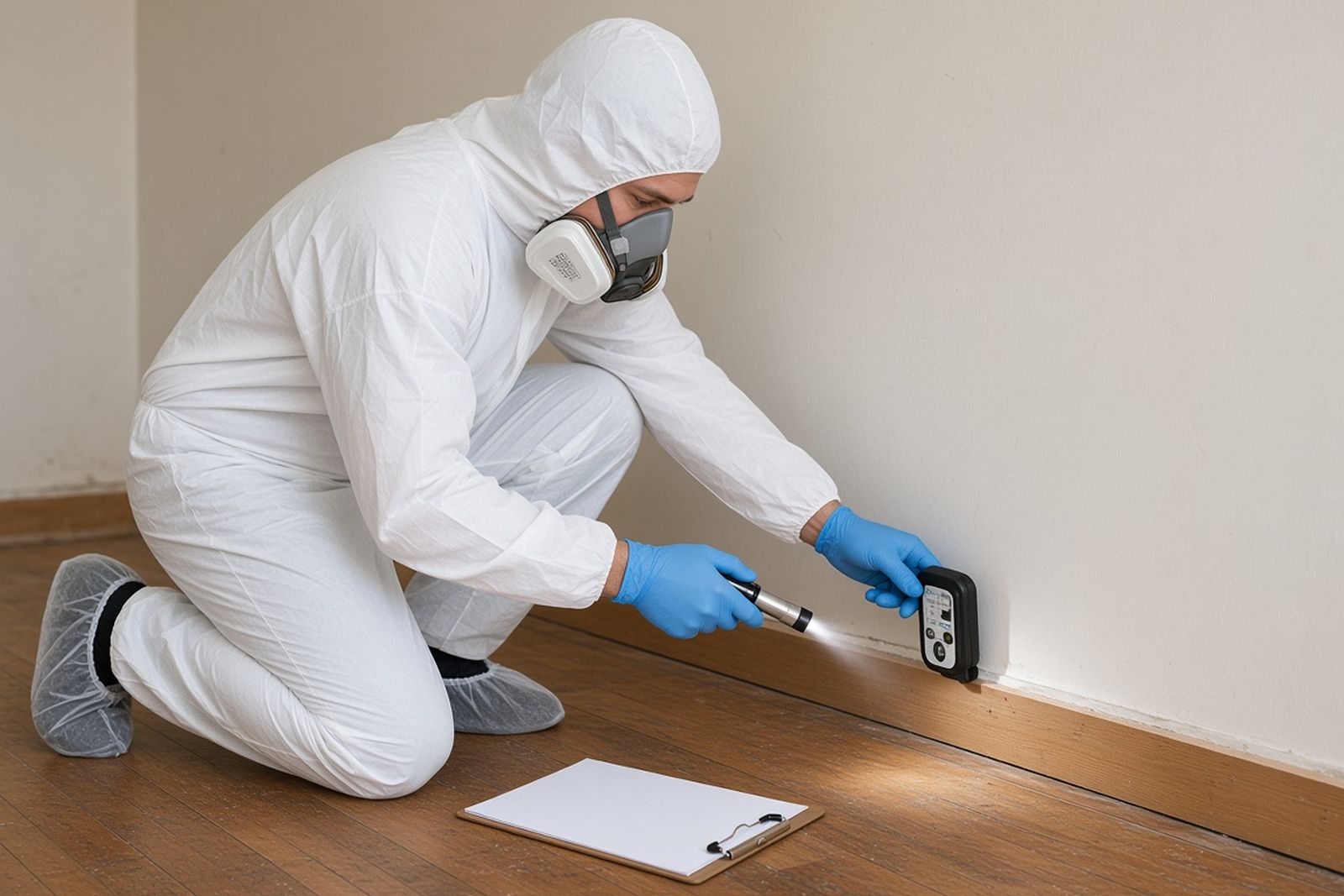
Enzyme cleaners are generally considered milder than many disinfectants, which is part of their appeal in homes. Milder does not mean harmless, though. Some people are sensitive to enzyme dusts or mists, and concentrated products can irritate skin and eyes. Technicians wear the same protective equipment they would for any blood cleanup, both because of the product and because of the contamination they are removing.
Live-culture microbial products raise a different question. The microbes they contain are chosen because they are not considered harmful to healthy people, but households that include someone undergoing cancer treatment, an organ transplant recipient or a person with another serious immune condition may prefer to avoid them. Tell the provider about anyone in the household with special health concerns before work begins.
Pets should be kept out of treated areas until surfaces are rinsed, disinfected and dry. Animals lick paws and floors, and residue from any cleaning product is best kept away from them.
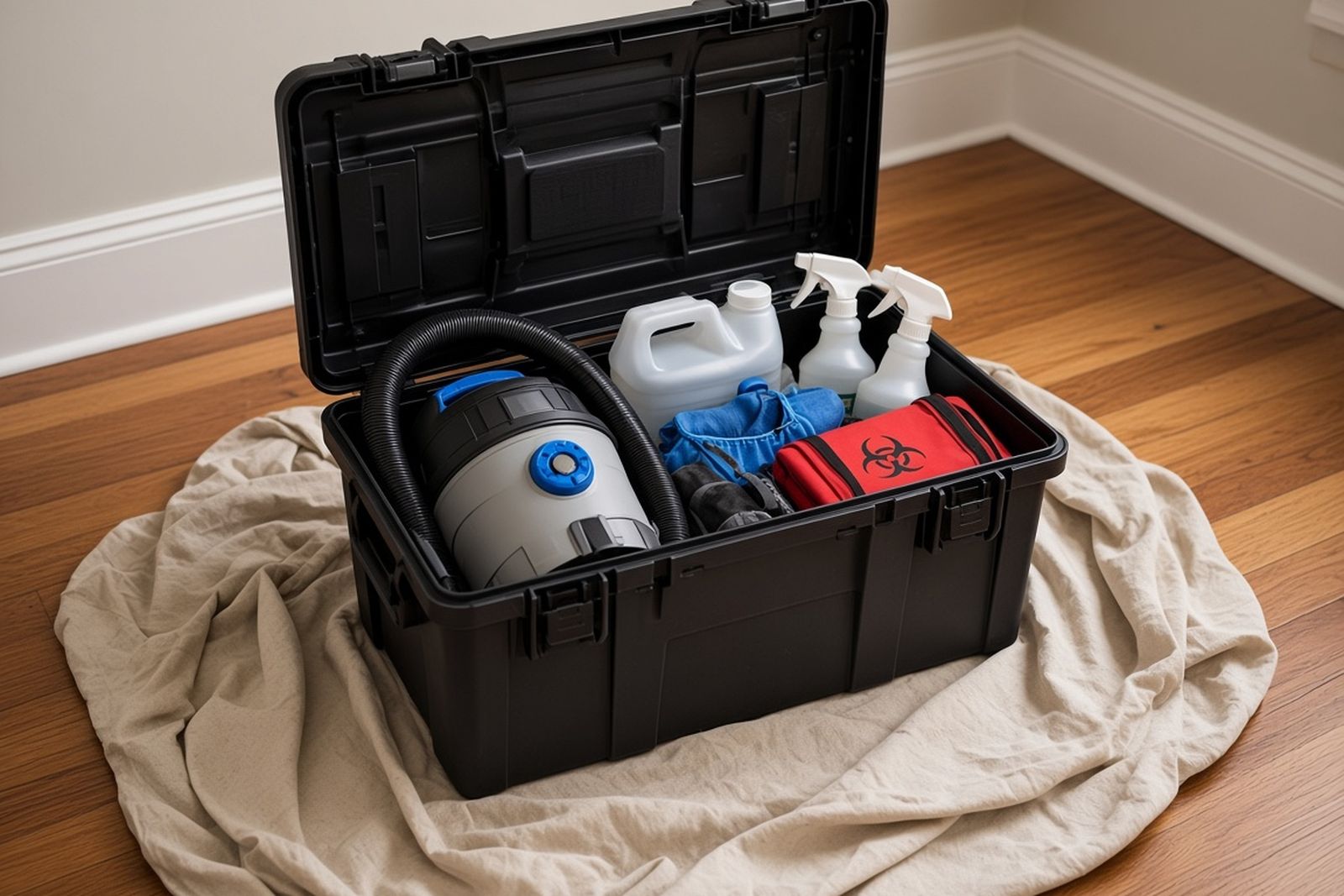
Ask for safety data sheets for every product. A reputable company will provide them without hesitation and explain how long you should wait before using the space again.
Questions to ask a provider about enzymes and microbes
Ask which surfaces they plan to treat with enzymes or microbial products and why. Ask what product they will use, what the label says about dwell time and whether it contains live cultures. Ask how they separate the enzyme step from disinfection and which registered disinfectant they will use afterward.
Ask whether anyone in the household should stay away during treatment, especially if someone has respiratory or immune concerns. And ask how the products and rinse water will be disposed of. If you are unsure what may go down a drain, your local wastewater utility can tell you.
A provider who explains these points clearly, and who never suggests that a biological cleaner replaces removal or disinfection, is using these tools the way they are meant to be used.