Free crime scene cleanup tool
Crime Scene Cleanup Provider Vetting Checklist
Fifteen questions to ask any remediation provider, a readiness score, and a copyable list of what is still unanswered.
Choosing a cleanup company after a crime usually happens fast. You may be on a phone at the kitchen table or in a parking lot, with no time to research. This checklist gives you a set list of questions so that speed does not cost you care. The questions cover training for handling blood, insurance papers, and how the company seals off and filters the air. They cover which disinfectant is used and how long it must stay wet. They also cover police residue and chemical sprays, sharps, waste hauling, how results are checked, and paperwork. As you confirm each answer, the tool tracks a readiness score. It also builds a list you can copy of everything still open. You send that list back to the company or bring it to the next call.
Crime scene work has some special checkpoints that general cleaning companies rarely meet. A company should be able to explain what it does if possible evidence turns up during work. It should explain how it removes tear gas or pepper spray if police used it. It should explain how it removes fingerprint powder without spreading it through the air system. It should also be at ease working with police contacts to confirm release. And it should be willing to stop if something looks like evidence. The checklist puts these next to the standard questions, so nothing is skipped on a rushed call. Reaching a company through this network does not mean it has been checked. The checklist exists because you must do that checking yourself.
How to use it
- 1Read each of the checklist questions before you call so you know what a complete answer sounds like.
- 2During or after the call, tick each question the company answered clearly, in a way you could check.
- 3Look at the readiness score, but keep in mind that open questions matter more than the number.
- 4Copy the list of open questions and send it to the company in writing. Update the checklist when answers come in.
Prefer to ask a person?
Your request is sent to the follow-up inbox. A coordinator can reply by email. Not for emergencies; call 911 first if anyone is in danger.
Vet a provider before you sign
Crime Scene Cleanup provider vetting checklist
Start with the questions specific to this kind of job. Tick each one once the provider has answered it in writing or shown you the document. Your progress stays on this device only.
Readiness: 0 of 21 confirmed (0%)
21 questions still need a written answer. Copy the list and send it to the provider before you sign anything.
A worked example
Take a made-up case. A landlord's tenant was attacked in a rental unit. Police released the scene the day before. The tenant has moved in with a relative, and the landlord has two companies to compare. On the first call, the landlord uses the checklist. The company says it follows a blood safety program based on 29 CFR 1910.1030. It carries pollution insurance and will email proof. It uses air filters and plastic walls that keep dust inside the work area. It can name the EPA-registered disinfectant it plans to use and how long the label says it must stay wet. But the company is vague about how it will remove fingerprint powder from the windows and door. It does not mention swab tests or any other way to check its work. The readiness score comes out medium. The open list includes powder removal, checking the work, and whether a waste shipping record will be provided. The landlord sends that list by email. The second company answers every question on the first call and offers a sample final report. With both checklists side by side, the landlord sees that the difference is not price but completeness, and chooses based on that.
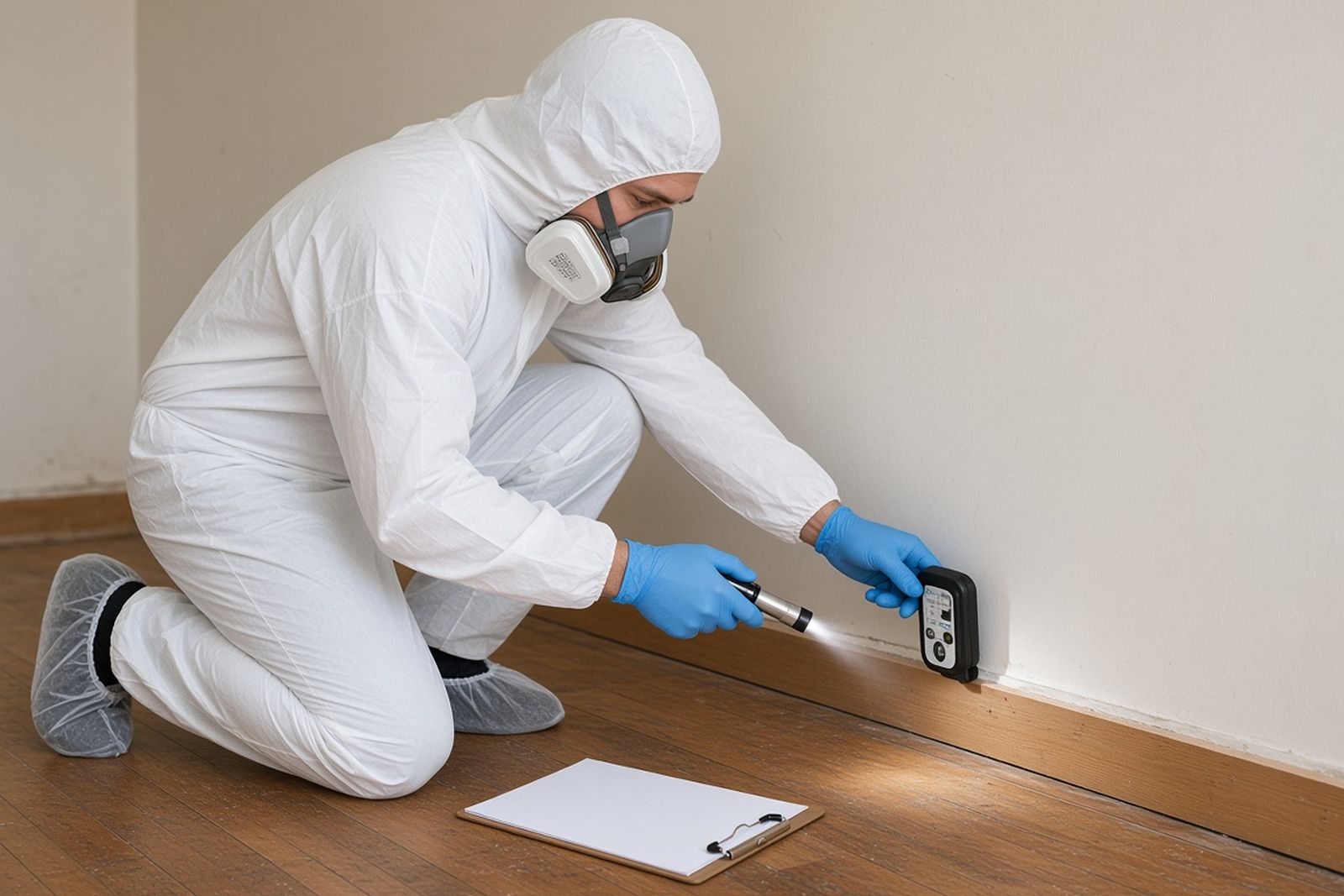
Numbers behind vetting checklist decisions
- 43.8%
Nationwide, 43.8% of violent crimes and 15.9% of property crimes were cleared by arrest or exceptional means in 2024.
Read with care: FBI estimates are based on data from 16,675 agencies covering 95.6% of the U.S. population; expanded homicide details cover only victims with supplemental data reported.
Source: FBI (2024)United States, 2024, offenses known to law enforcement
- $0 to employees
Since February 13, 2008, OSHA has required employers to provide required personal protective equipment at no cost to employees.
Read with care: Exceptions exist for non-specialty footwear, prescription eyewear and lost or deliberately damaged PPE.
Source: OSHA (2008)US general industry employers
- 40 hours + 8 hours/year
OSHA's HAZWOPER rule requires general site workers to complete 40 hours of off-site instruction plus three days of supervised field experience, with 8 hours of annual refresher training.
Read with care: Not every biohazard cleanup legally falls under HAZWOPER; meth lab chemical work often does.
Source: OSHA (1990)US hazardous waste site workers
- 2.43 million
Janitors and building cleaners held about 2,432,600 jobs in the United States in 2025, with a median pay of $36,840 per year.
Read with care: Occupation-level count covers general cleaning, not specialized biohazard or remediation technicians.
Source: BLS (2025)United States, all employment settings, 2025 estimate
These figures are public research and agency data, not this network's own job records. Keep each number with its population, year and limits; none of them predicts cost, timing or outcome at a specific property.
Provider Vetting Checklist questions for crime scene cleanup
What counts as confirming an answer rather than just hearing one?
Confirming means you could check it if you wanted to. It might be an insurance certificate you can call the insurer about. It might be a product name you can look up on the EPA list, or a training program tied to a named standard. It might be a waste hauler you can look up for a permit. A confident spoken answer that gives you nothing to check should stay unticked.
Why does the checklist ask what the provider does if evidence is found?
Because crime scenes are sometimes released with items missed. How a company responds tells you a lot about how professional it is. The safe answer is to stop, secure the area, and call the police agency on the case. A company that says it would just keep working, or has never thought about it, may cause legal problems for you.
Is a low readiness score a reason to reject a provider?
Not by itself. A low score after one call often means the conversation was rushed or the person on the phone was not the technician. Send the open-questions list and see how the provider responds. A prompt, specific written reply is a good sign. Continued vagueness on training, insurance, or waste handling is a reason to move on.
Should I ask about tear gas handling even if none was used?
If no chemical spray was used, you can skip that question. Still, it is worth knowing if the company has handled it. Standoffs and forced entries sometimes involve sprays no one told you about. The residue may only show up when someone's eyes start burning. A company that knows tear gas and pepper spray (CS and OC) can spot the signs.
Does a referral through this network mean the provider passed this checklist?
No. The network helps readers reach companies, but it does not check their training, insurance, or methods. The checklist is your tool for doing that. Ask every company the same questions, no matter how you found them. Keep the filled-in checklist in your property file with the quote and the final report.
Can I use the checklist with a provider my insurer already assigned?
Yes. An assigned provider should still be able to answer the same questions about who does the work, how waste is handled and what documentation you will receive. Going through the checklist does not mean you distrust the insurer. It helps you understand what will happen in your home. If an answer concerns you, share it with the adjuster and ask how they would like to address it.
What if a provider asks why I am going through a checklist?
A simple reason works. Say you are comparing companies and want to understand each one's approach before you decide. Good companies are used to careful customers and should welcome clear questions. If a company gets impatient or brushes you off, note that as part of your review. How a company handles fair questions before you hire it often shows how it will talk with you during the job.
Related community polls
Every count is a real visitor vote; nothing is seeded or padded. One vote per poll per device, and you can change your answer.
What was the hardest thing to figure out in the first day after the scene was released?
Which type of incident brought you to this topic?
Other crime scene cleanup tools
Cost Range Estimator
Set the affected area, surface types, severity and extras to see an educational cost range and the factors that move it.
OpenInsurance Claim Organizer
A guided checklist from finding the policy to tracking the carrier decision, with a printable summary of where the claim stands.
OpenFirst 24 Hours Planner
Tell the planner a few facts about the situation and get an ordered list of who to call, what not to touch, and what to photograph.
OpenWaste & Disposal Classifier
Five questions about the material point to the likely waste category and which authority to confirm the rules with.
OpenDIY or Call a Pro? Risk Check
Eight yes-or-no questions that produce a risk level and explain when professional help is the safer choice.
OpenMore on crime scene cleanup
Crime Scene Cleanup services
See what crime scene cleanup covers, from blood and police residue to tear gas and cars, and what the work does not include.
Costs explained
What drives the price, published cost ranges, and how to read a written quote line by line.
Insurance and payment
Which policies may respond, how to document a claim, and what to do if coverage is denied.
Community polls
See what other readers think about the choices people face after a crime at their property, from picking a company to what surprised them most.
Knowledge quiz
Test what you know about scene release, sealing off the area, disinfecting, waste, and checking the work, with a short quiz and a plain study guide.
Articles and resources
Read about common kinds of crime scenes, like a break-in where someone got hurt, tear gas left after a standoff, or the mess from a police search. Written for owners.
Field guides
Longer step-by-step guides on confirming scene release, working with insurers, reading a cleanup job plan, and keeping people safe while work is underway.
City guides
Find local facts and reach companies by area, with reminders that license and disposal rules vary by state and county.