Free crime scene cleanup tool
Crime Scene Cleanup First 24 Hours Planner
Tell the planner a few facts about the situation and get an ordered list of who to call, what not to touch, and what to photograph.
The first day after police hand back a crime scene is when the most serious mistakes happen. Someone goes in before release is confirmed. A relative starts scrubbing. A bloody rug goes into the dumpster. A fan gets turned on to clear a smell. This planner exists to slow those moments down. You answer a short set of questions about where things stand. Has the agency released the scene? Is anyone still living there? Is there an odor? Are sharps or glass present? Are pets inside? Is it a rental? The tool then gives you a list of steps in order. It covers who to call, what to leave alone, and what to photograph.
Crime scenes vary so much that the planner changes based on your answers. A scene that is not released gives a very short list. It focuses on staying out and confirming release. A released scene with people living there adds steps. Move people and pets away from the affected area, and stop air from moving through it. Sharps or bullet debris trigger warnings about walking through the space. A rental brings in the landlord and tenant, and the question of who approves the work. Chemical sprays from a standoff add cautions about airing out and about eye and skin irritation. Print or copy the list and follow it step by step. Throw it out once a checked provider has taken over the site.
How to use it
- 1Answer each situation question honestly based on what you know right now, choosing unsure when you do not know.
- 2Read the list from the top. Early steps, such as confirming release and keeping people out, come before anything else.
- 3Take the photos the list describes from outside the affected area. Do not go in or move anything.
- 4Copy or print the list and work through the calls in order, updating the planner if the situation changes.
Prefer to ask a person?
Your request is sent to the follow-up inbox. A coordinator can reply by email. Not for emergencies; call 911 first if anyone is in danger.
Plan the first 24 hours
Crime Scene Cleanup: first 24 hours planner
Answer a few questions and the planner orders the next steps. It does not dispatch help and cannot replace emergency services.
Your ordered plan (6 steps)
- 1
Keep people and pets out of the affected area
Close the door and keep the area sealed until a qualified provider assesses it.
- 2
Photograph from the doorway before anything moves
Take wide shots first, then closer shots of stains, damage and belongings. Do not step into the area to do it. These photos support insurance and estate records.
- 3
Report the loss to your insurer and get a claim number
Ask the adjuster whether they need to inspect before materials are removed, and whether they have a list of approved remediation providers. Coverage depends on the policy and the cause of loss.
- 4
Call a qualified remediation provider for an assessment
Describe what happened, the rooms involved, and any odor, fluids or sharps. Ask which OSHA standards apply to crime scene cleanup and for proof of training and insurance before work starts.
- 5
Start a written log
Record who you spoke to, when, and what they said. Keep receipts for lodging, boarding, locks and any emergency purchases.
- 6
Look after the people involved
If a death or violent event is involved, victim assistance programs, hospice bereavement teams and the 988 Suicide & Crisis Lifeline can help. You do not need to manage this alone.
A worked example
Consider this invented case. A tenant comes back to an apartment after a break-in. The intruder was hurt and arrested. Officers have left, but the tenant is not sure if the unit has been formally released. There is blood on the kitchen floor and along the hallway. A window is broken, and a cat is hiding somewhere inside. In the planner, the tenant picks unsure for release, people present, sharps present, pet present, and rental. The list starts by telling the tenant to call the police and confirm release before touching anything. It says to write down the officer's name and the case number. Next, it says to get the cat only if the tenant can reach it without crossing the blood trail. Otherwise, wait for help. The next call is the landlord. The list explains that the landlord likely has the right to approve the cleanup. It suggests asking who the landlord's insurer is. The photo tips cover the kitchen, hallway, and window from the doorway and the building hallway. They never ask the tenant to stand in the broken glass. Last, it advises against running the window air unit or ceiling fan, and against bagging anything for the trash. It points the tenant to the vetting checklist for the talk with a company.
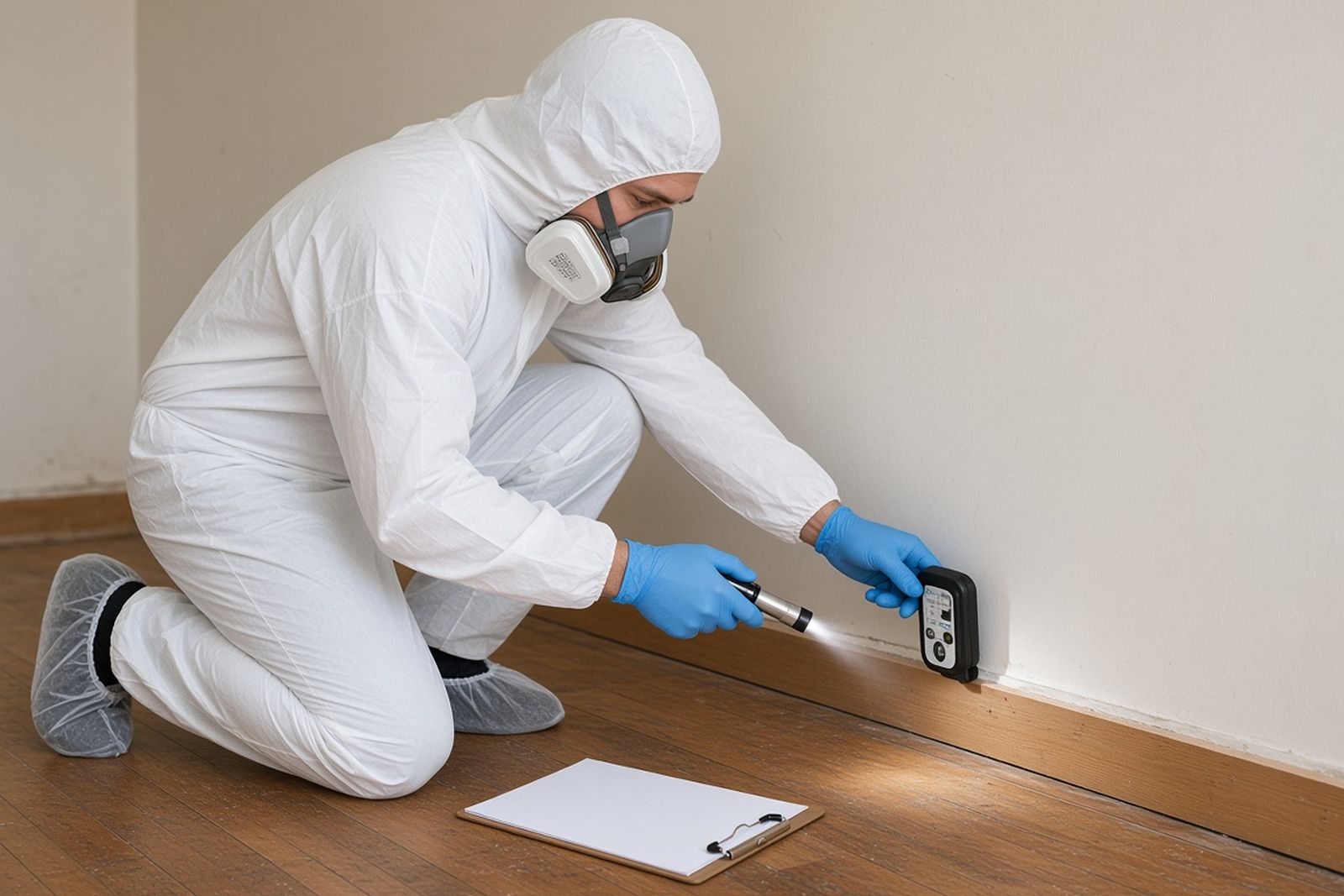
Numbers behind 24-hour planner decisions
- 30.5%
30.5% reported four or more different traumatic-event types.
Read with care: Recall and country differences; combined categories cannot be separated.
Source: Benjet et al. (2016)68,894 adults; 26 surveys in 24 countries; lifetime reports.
- 1.8 million
Emergency departments in the United States recorded about 1.8 million visits for assault-related injuries in 2022.
Read with care: ED visit counts come from the National Hospital Ambulatory Medical Care Survey and are survey estimates, not a census.
Source: CDC National Center for Health Statistics (2022)United States, 2022, emergency department visits
- 157.4 per 10,000
Janitors and cleaners in private industry had 157.4 nonfatal injuries and illnesses involving days away from work per 10,000 full-time workers in 2019.
Read with care: Counts only cases with days away from work and does not isolate injuries from chemical or biohazard exposure.
Source: BLS (2019)United States, private industry, janitors and cleaners except maids and housekeeping cleaners
- 24–48 hours
EPA advises drying water-damaged areas and items within 24 to 48 hours to prevent mold growth.
Read with care: The window is shorter in warm, humid conditions.
Source: US EPA (2026)Residential guidance, United States
These figures are public research and agency data, not this network's own job records. Keep each number with its population, year and limits; none of them predicts cost, timing or outcome at a specific property.
First 24 Hours Planner questions for crime scene cleanup
What should I do if I am not sure the scene has been released?
Choose unsure in the planner. Treat the property as not released until an officer or detective tells you it is. Call the agency's non-emergency line and give the case number if you have it. Ask plainly if the site is released for cleaning. Write down who told you and when. Rules vary by state and county, so check with the local authority.
Why does the planner tell me not to run fans or the HVAC?
Moving air spreads dried blood dust, fingerprint powder, and any chemical spray residue into rooms that were clean. It also loads the filters and ducts with material that will need cleaning later. Airing out the space may feel like the right fix for a smell. But until the source is removed, it mostly moves the problem somewhere else.
Is it safe to retrieve a pet from the affected area?
Only if you can reach the animal without stepping through blood, glass, or debris. Pets carry contamination on their paws and fur, and they may have already walked through it. If the animal is inside the affected area, do not go in yourself. Wait for the company, or ask an animal control officer for help.
What photographs actually help later?
Take wide shots from each doorway that show the whole room. Take closer shots of each affected surface by zooming in, not by stepping in. Photograph any broken doors or windows, and the current state of items you may need to claim. Include a time stamp if your phone supports it. These photos show the starting condition for insurers and for the company's job plan.
The planner says to call the landlord first, but I am the landlord. What changes?
Select the rental option and mark that you are the owner. The list will shift toward confirming release, telling your insurer, sorting out safe housing with the tenant, and recording the unit's condition. Your lease may give some duties to the tenant. But the right to approve cleanup usually rests with the owner or manager.
What if I cannot complete every step in the planner on the first day?
That is normal. The planner is a guide, not a test. Focus on safety, keeping the affected area closed, getting the police case number and contacting your insurer. Other steps, such as collecting bids or organizing belongings, can wait a day or two. Ask someone you trust to help with calls. Mark what is done and pick up the rest when you are able.
Can I use the planner if the incident happened at my business rather than my home?
Yes. The main steps are much the same. Wait for release, keep people out of affected areas, take photos from a safe distance, and call your insurer. Businesses have extra tasks. You may need to tell employees, cover shifts, and decide what to tell customers. Add those to your list next to the planner's steps. Pick one person to be the main contact for the company.
Related community polls
Every count is a real visitor vote; nothing is seeded or padded. One vote per poll per device, and you can change your answer.
What was the hardest thing to figure out in the first day after the scene was released?
Which type of incident brought you to this topic?
Other crime scene cleanup tools
Cost Range Estimator
Set the affected area, surface types, severity and extras to see an educational cost range and the factors that move it.
OpenProvider Vetting Checklist
Fifteen questions to ask any remediation provider, a readiness score, and a copyable list of what is still unanswered.
OpenInsurance Claim Organizer
A guided checklist from finding the policy to tracking the carrier decision, with a printable summary of where the claim stands.
OpenWaste & Disposal Classifier
Five questions about the material point to the likely waste category and which authority to confirm the rules with.
OpenDIY or Call a Pro? Risk Check
Eight yes-or-no questions that produce a risk level and explain when professional help is the safer choice.
OpenMore on crime scene cleanup
Crime Scene Cleanup services
See what crime scene cleanup covers, from blood and police residue to tear gas and cars, and what the work does not include.
Costs explained
What drives the price, published cost ranges, and how to read a written quote line by line.
Insurance and payment
Which policies may respond, how to document a claim, and what to do if coverage is denied.
Community polls
See what other readers think about the choices people face after a crime at their property, from picking a company to what surprised them most.
Knowledge quiz
Test what you know about scene release, sealing off the area, disinfecting, waste, and checking the work, with a short quiz and a plain study guide.
Articles and resources
Read about common kinds of crime scenes, like a break-in where someone got hurt, tear gas left after a standoff, or the mess from a police search. Written for owners.
Field guides
Longer step-by-step guides on confirming scene release, working with insurers, reading a cleanup job plan, and keeping people safe while work is underway.
City guides
Find local facts and reach companies by area, with reminders that license and disposal rules vary by state and county.