Crime Scene Cleanup community polls
See how other people handled the same decisions, then add your own answer.
Most people hire crime scene cleanup once and never talk about it again. That silence leaves the next person with no sense of what others found hard, surprising, or worth paying for. Community polls fill part of that gap. Readers share which part of the process confused them, how they found a company, or what they wish they had known on day one. Together, the answers form a rough map of common experience. The questions ask about opinion and experience, not facts. The facts are covered elsewhere on the site. The polls capture the human side: doubt, trade-offs, and hindsight from people who once stood where you stand now.
Get an email reply about crime scene cleanup
Send a short message to the follow-up inbox. A coordinator can reply by email. This form does not send emergency help; call 911 first if anyone is in danger.
Vote on the questions that matter here
Vote to see how other people answered. You can change your answer at any time.
What was the hardest thing to figure out in the first day after the scene was released?
Which type of incident brought you to this topic?
Before reading about it, how did you view cleaning a small blood stain yourself?
When you received a quote, how clearly was the work itemized?
Which residue surprised you most after police finished?
How did you first find a cleanup company?
Why opinions matter in crime scene cleanup
The choices people face after a crime are practical and often urgent. Should you call a specialist or clean it yourself? Should you call the insurer before or after getting a quote? Should you stay in the home during the work? What do you tell neighbors, staff, or customers who ask what happened? Landlords weigh what they owe tenants against their duty to make a unit safe. Business owners think about how long a store can stay closed. Car owners wonder if a car is worth fixing. Thousands of readers have made these choices before you. Polls let you see the spread of those choices without anyone telling their story in detail.
Use poll results to shape your questions, not to replace checking the facts. Say most people wish they had asked about waste papers sooner. That is a cue to add it to your list. It is not proof that your company will or will not provide them. People choose to take part in polls, their cases differ from yours, and how things ended may color their memory. Treat the numbers as a way to start a talk with a checked company, your insurer, or the police. The best result of reading a poll is a sharper question. The tools and guides on this site can help you ask it.
How to read poll results
A poll on this site shows what a group of visitors clicked when asked a question. It does not tell you what is true about crime scene cleanup in general. People who answer include those who hired a company, those looking into it for someone else, and those who are just curious. The mix changes over time, and the wording of a question shapes the answers. When one option leads, read it as a sign of what readers notice or worry about. A leading option is not advice. A trailing option is not proof that the concern is rare.
Sourced statistics come from a very different place. They are drawn from published data with a named source, such as a government agency, a public health body, or a reviewed study. They describe measured groups of people, not website visitors. Those figures appear in their own clearly labeled sections with citations. When a poll and a sourced figure seem to disagree, the figure is usually closer to reality. The poll shows how people see things. Both can be useful. How people see things tells you what questions they bring. Data tells you how to answer them.
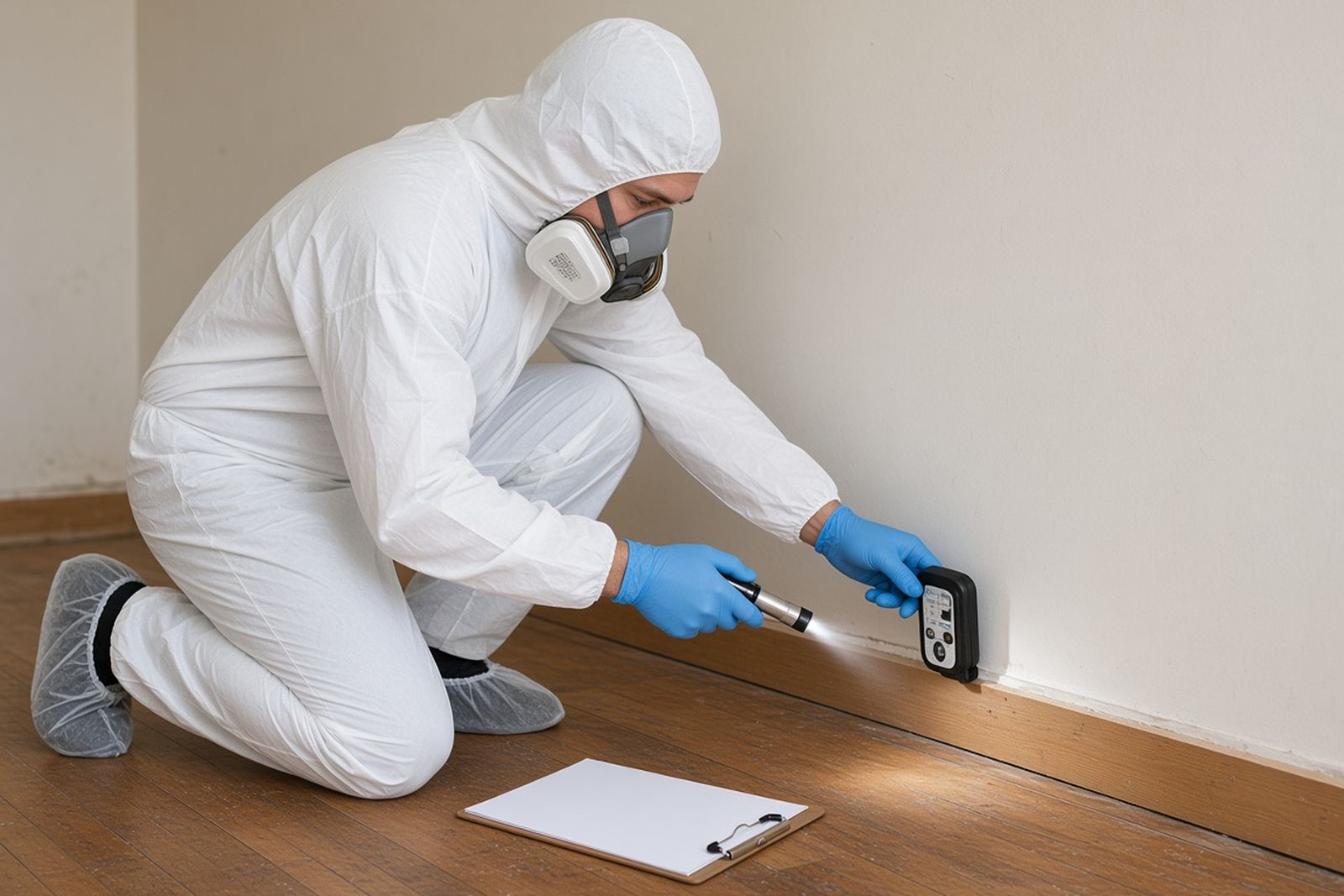
How voting works
Your vote is anonymous. It is never linked to your name, your email or anything you send through the form.
Facts worth knowing
In interviews with 18 people in Germany who lost someone to suicide, some said others with a similar loss understood them without long explanations.
Why it matters: If explaining yourself is tiring, you may find a suicide-loss support group easier than talking with people who have not been through it.
In interviews with 15 grieving German adults, some valued company that came with no pressure to talk.
Why it matters: If you are supporting someone, you may help just by sitting with them; you do not have to find the right words.
In a survey of burglary victims in three English areas, published in 2005, 18% of those who claimed on insurance said it did not cover their loss well enough.
Why it matters: A claim may not pay for everything, so check your policy limits and what it leaves out before you plan around it.
Questions about crime scene cleanup polls
Who can participate in these polls?
Anyone visiting the page can select an answer. There is no registration, and no personal information is requested. Because participation is open, results include people at very different stages: some are dealing with an incident right now, others handled one years ago, and some are professionals or students. Keep that mix in mind when reading the outcomes.
Are poll answers reviewed or verified before they appear?
No. Poll answers are anonymous clicks, and nothing about them is checked for accuracy or relevance. A person who never faced a crime scene can still answer a question about what was hardest afterward. That is why poll results are shown as opinion. They are never mixed into the sections of this site that hold sourced facts.
Why are there no polls asking how much people paid?
Cost figures from anonymous visitors cannot be checked. Repeating them could mislead readers whose job size, region, and insurance are different. So the cost polls ask about experience instead. For example, they ask if a quote was clearly itemized, or if a claim was easy to document. Price questions are handled by the cost estimator tool. It explains what drives the cost rather than giving dollar amounts.
Can I suggest a new poll question?
You can send ideas through the site's contact form. Good ideas ask about a choice or experience that many readers share. They offer fair options that do not push one answer, and they avoid graphic detail. We do not add questions that would reveal private facts about a specific case, victim, or address.
Do the polls influence which companies the network refers readers to?
They do not. Poll results are a community feature. They have no link to how companies are listed or contacted through the site. Any company you reach through this network still needs to be checked by you. Check their license, insurance, training, and waste handling before you approve any work at your property.
Why do some poll results seem to contradict the guides on this site?
Guides describe what usually protects health and property. Polls describe what visitors actually did or felt. Many people try to clean up on their own before they learn why that is risky. So a poll may show a lot of do-it-yourself attempts, even though the guides advise against it. The gap itself tells you something.
Is it appropriate to share a poll result with my insurer or a company?
You can mention it as background, but do not offer it as proof of anything. Insurers decide based on your policy and your paperwork. Companies plan the work based on the property itself. A poll result is mainly useful for raising a topic. For example, you might ask why other people found the written job plan confusing.
More on crime scene cleanup
Crime Scene Cleanup services
See what crime scene cleanup covers, from blood and police residue to tear gas and cars, and what the work does not include.
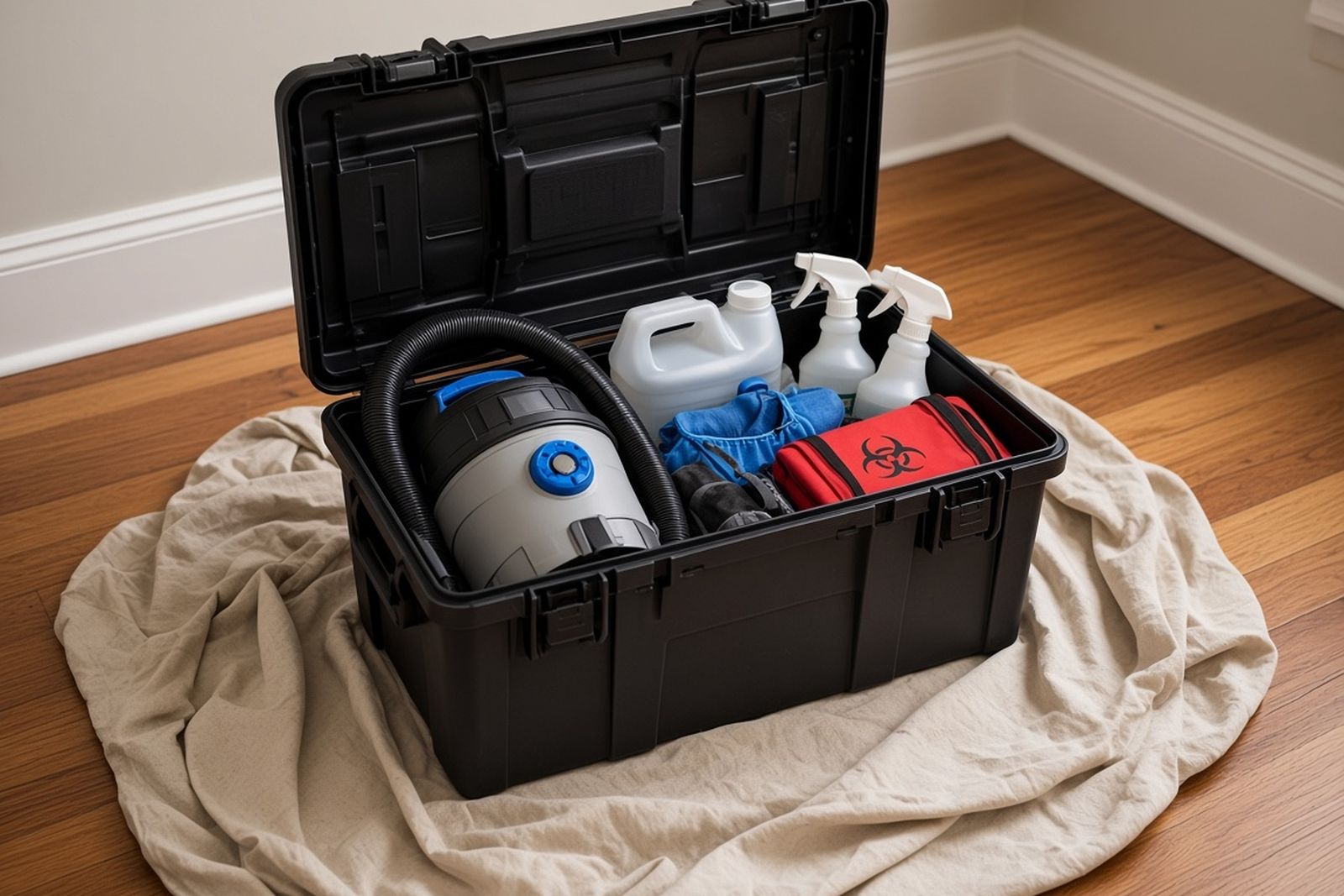
Costs explained
What drives the price, published cost ranges, and how to read a written quote line by line.
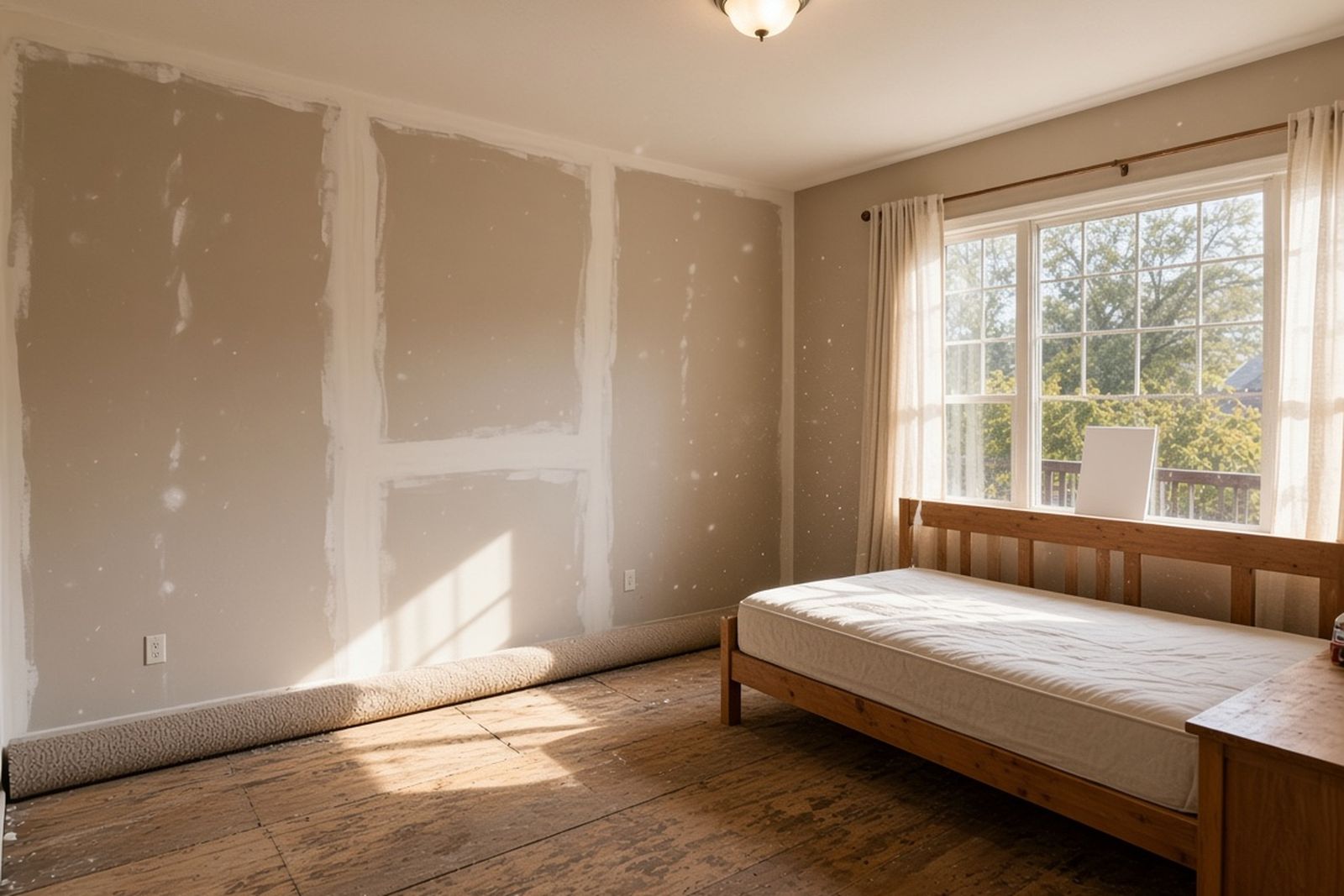
Insurance and payment
Which policies may respond, how to document a claim, and what to do if coverage is denied.
Planning tools
Planners, checklists, and guides you can click through for the days after police release a crime scene, each built for this situation.
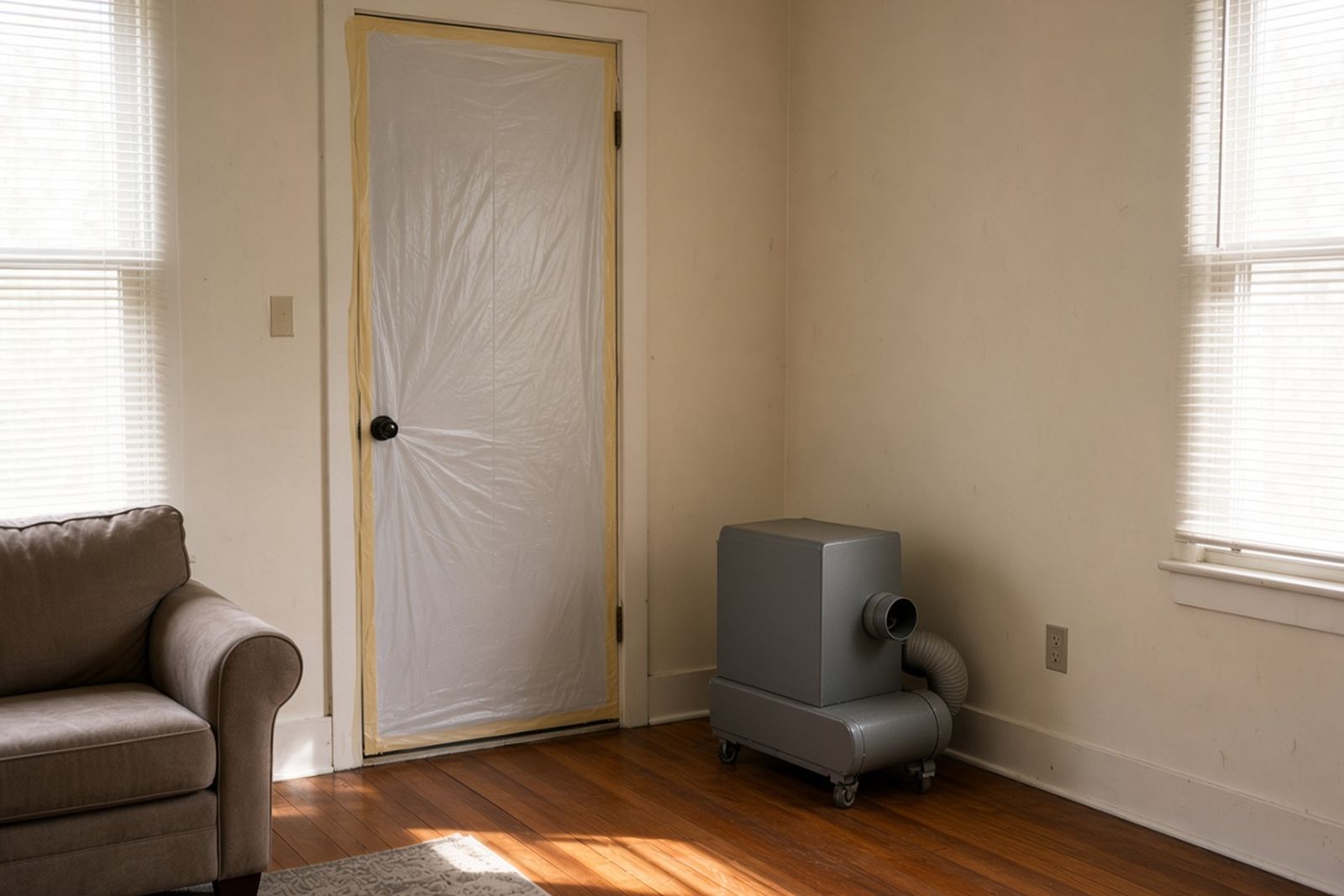
Knowledge quiz
Test what you know about scene release, sealing off the area, disinfecting, waste, and checking the work, with a short quiz and a plain study guide.
Articles and resources
Read about common kinds of crime scenes, like a break-in where someone got hurt, tear gas left after a standoff, or the mess from a police search. Written for owners.
Field guides
Longer step-by-step guides on confirming scene release, working with insurers, reading a cleanup job plan, and keeping people safe while work is underway.
City guides
Find local facts and reach companies by area, with reminders that license and disposal rules vary by state and county.