Crime Scene Cleanup: Process & What to Expect
What happens during crime scene cleanup, step by step: the first visit, the written work plan, the cleanup itself, and the records you should get at the end.
Posts in this group follow a crime scene job from the moment police hand back the property to the day the last waste box leaves. You will read about the release talk with detectives and the first walkthrough with the cleanup lead. You will see how plastic sheeting and air cleaners change the feel of a room. You will learn why workers sometimes remove more flooring than you expected. The goal is to make each stage familiar before it happens. That way, nothing on site feels like a shock you have to absorb in the moment.
Get an email reply about crime scene cleanup
Send a short message to the follow-up inbox. A coordinator can reply by email. This form does not send emergency help; call 911 first if anyone is in danger.
Knowing the order of steps matters because several choices land on you while work is underway. You may be asked to approve removing part of a subfloor. You may need to decide which personal items should be cleaned rather than thrown out. You may be asked to review final photos before you sign off. It helps to know why police residue is handled apart from body fluids. It helps to know why painting waits until the work has been checked. Then you can answer these questions with confidence instead of leaving it to whoever is standing in the doorway.
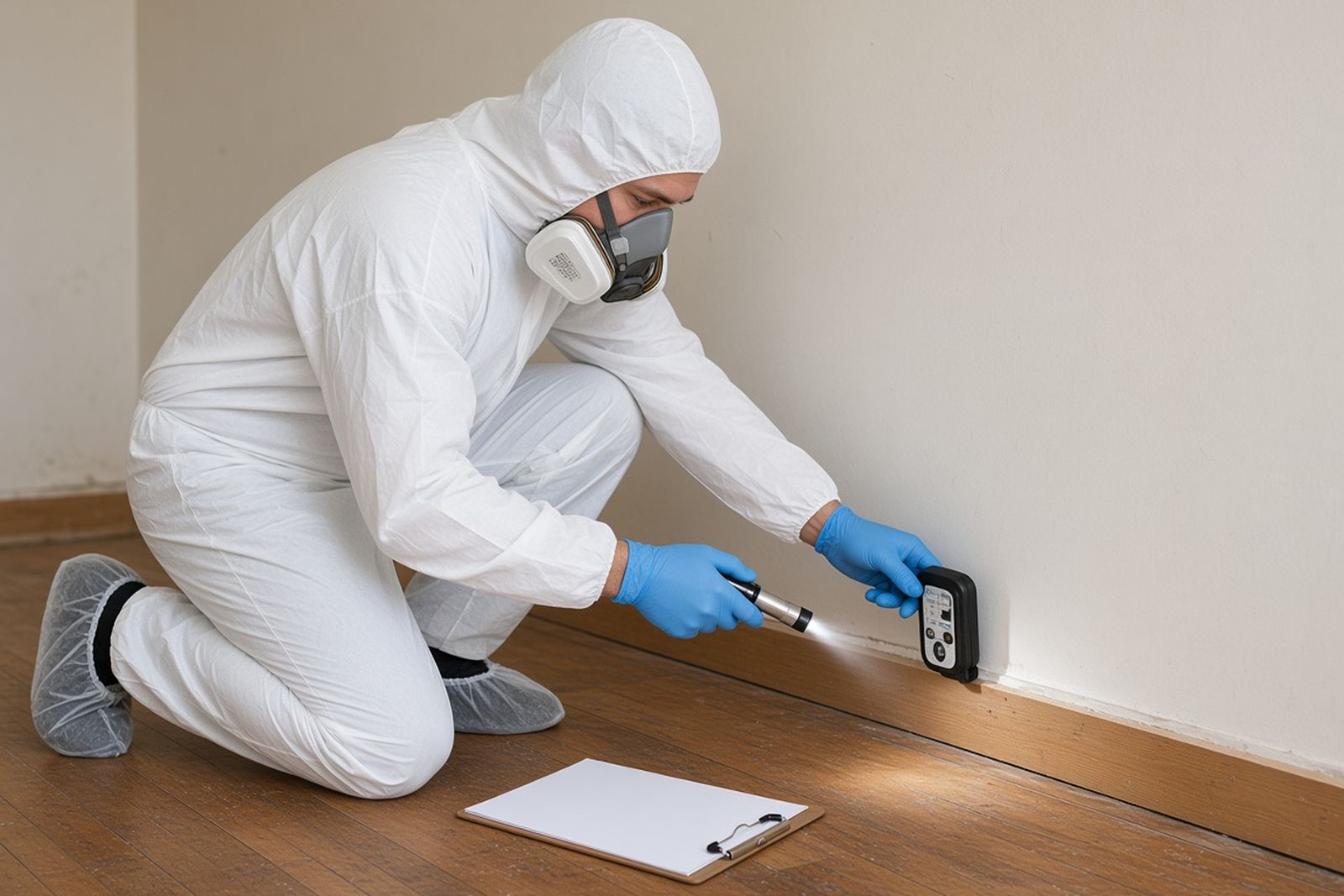
What to Expect During Professional Crime Scene Cleanup
A step-by-step look at professional crime scene cleanup. Follow the job from the police release and first visit to the work itself, waste disposal and handoff.
Professional crime scene cleanup usually follows a clear order. Police release the scene. A company inspects it and writes a work plan. The crew closes off the area and puts on protective gear. It removes soiled materials, cleans police residue, disinfects what remains, packs the regulated waste and checks the results. You should get records and a clear account of what was cleaned, removed and left for repair.
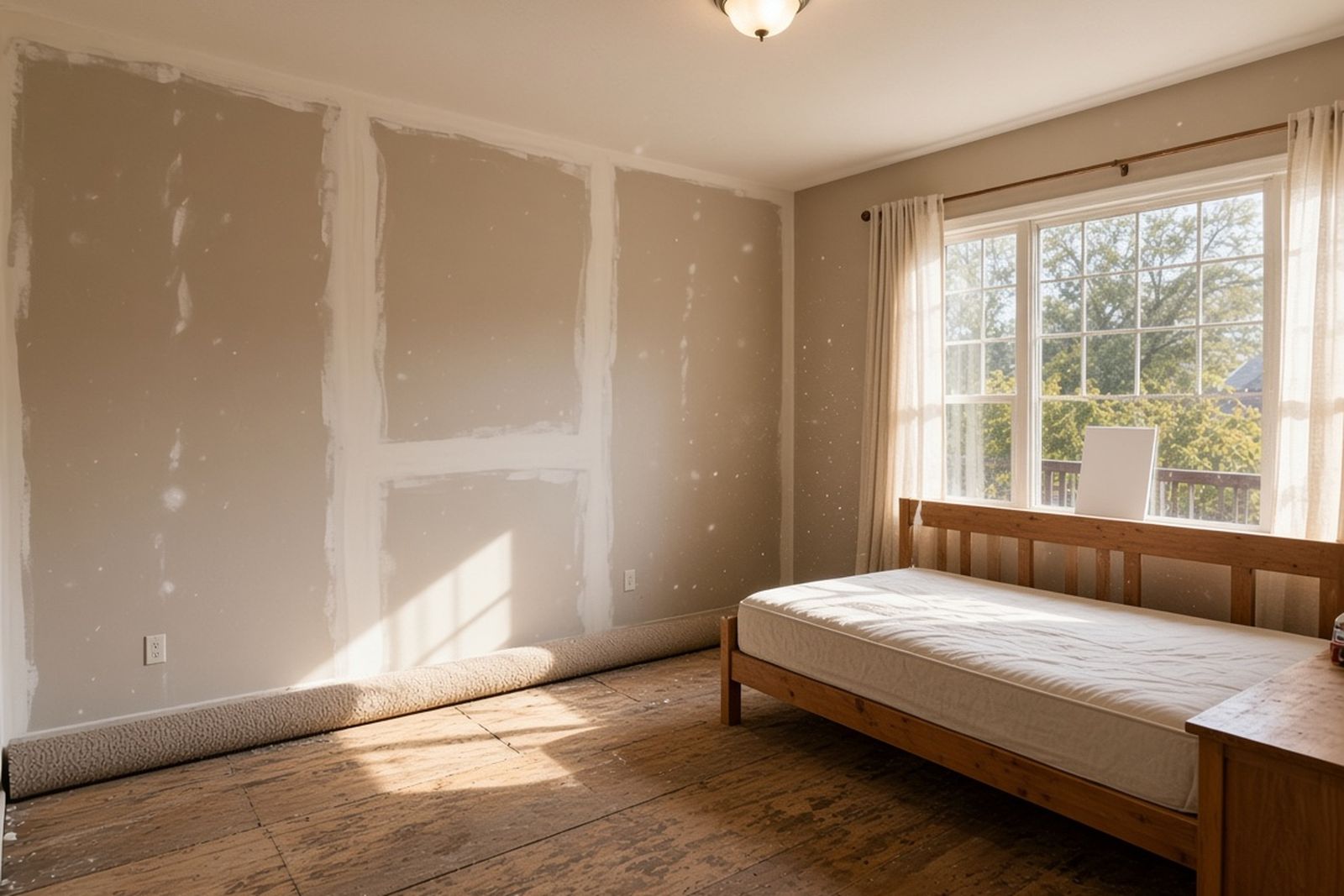
How Long Does Crime Scene Cleanup Take?
What decides how long your crime scene cleanup will take. The police release, the materials, fingerprint powder, odor, waste pickup and later repairs all play a part.
The time depends less on the crime than on the scene. It matters how many rooms and surfaces are affected and whether fluid got under the flooring. It matters how much police residue remains and whether you need odor treatment or help sorting belongings. The police release, your approval of the work plan and repairs add time outside the cleaning. A company can give a reliable estimate only after it visits.
Urgent Crime Scene Cleanup: What to Do Before a Provider Arrives
What to do in the first hours after a crime at your home or business, before a cleanup crew arrives. Stay safe, wait for police, keep people out and make a few key calls.
First, make sure everyone is safe and police have been called. Leave the scene alone until investigators formally release it, keep people and pets out, and do not clean blood or residue yourself. Then write down the police report number and release time, call your insurer, and ask a victim advocate about support and compensation.
Facts worth knowing
EPA advises drying water-damaged areas and items within 24 to 48 hours to prevent mold growth.
Why it matters: Start drying right away or call for help quickly, because your window may be shorter in warm, humid weather.
In a survey of burglary victims in three English areas, published in 2005, 18% of those who claimed on insurance said it did not cover their loss well enough.
Why it matters: A claim may not pay for everything, so check your policy limits and what it leaves out before you plan around it.
In interviews with 15 grieving German adults, some valued company that came with no pressure to talk.
Why it matters: If you are supporting someone, you may help just by sitting with them; you do not have to find the right words.
Process & What to Expect: common questions
Do I need to be at the property while the crime scene crew works?
Usually not for the whole job. Many families come to the first walkthrough, sign the work agreement, and return for the final review. Agree with the company on how it will reach you when a choice comes up, such as removing a damaged baseboard or a stained mattress. If you want to stay nearby, ask where you can wait outside the sealed work area. Ask if any rooms can still be used.
Why does the cleanup seem to take longer than the visible stains suggest?
Fluids can travel under flooring, behind trim, and into gaps that look clean from above. Workers trace how far fluid soaked in and open up materials when needed. They also leave disinfectants wet for the time printed on the label. Fingerprint powder and other police residue need their own handling too. Each of these steps adds time that a quick look would never show. That is why a written job plan matters more than first impressions.
What paperwork should I expect when the crime scene work is finished?
Ask for a final packet. It should include before and after photos, a list of materials removed, and the disinfectants used. It should also have any surface test results and the waste records from the hauler. Keep these together with the police release and your insurance claim number. That bundle helps with a future sale, a question from a tenant, or a question from your adjuster long after the crew has left.
Who is the best person to be the main contact for the cleanup crew?
Choose someone who can answer questions promptly, has authority to approve decisions or can reach the person who does and feels steady enough to handle the details. That may be the owner, a relative, a property manager or a trusted friend. Tell the company who it is on the first call. One contact reduces confusion and keeps crews from waiting on mixed instructions.
What happens if the scene is released while I am out of town?
You can usually arrange cleanup remotely. Ask a trusted person to meet the company for access, or arrange a lockbox or key handoff. Request photos and a written work plan by email before approving work. Ask for regular updates and a final report with photos. Let the police and your insurer know how to reach you, and keep the affected area closed until the crew arrives.
Can I pause the job partway through if I change my mind?
Usually, though it depends on your agreement. If you pause, the company should secure the work area, package any waste and leave the site safe. You may owe for work completed so far. Ask about pausing before you sign. If you are unsure about something mid-job, ask for a conversation before calling a full stop, since many concerns can be resolved quickly.
How do I prepare the rest of the home before the crew arrives?
Clear a path from the entry to the affected area if you can do so without entering it. Move pets, valuables and fragile items out of the way in unaffected rooms. Make sure the crew can park nearby. Tell the company about alarms, locks or anything unusual in the home. Do not move anything inside the affected area, even to make room.
Related community polls
Vote to see how other people answered. You can change your answer at any time.
What was the hardest thing to figure out in the first day after the scene was released?
Which type of incident brought you to this topic?
More on crime scene cleanup
Crime Scene Cleanup services
See what crime scene cleanup covers, from blood and police residue to tear gas and cars, and what the work does not include.
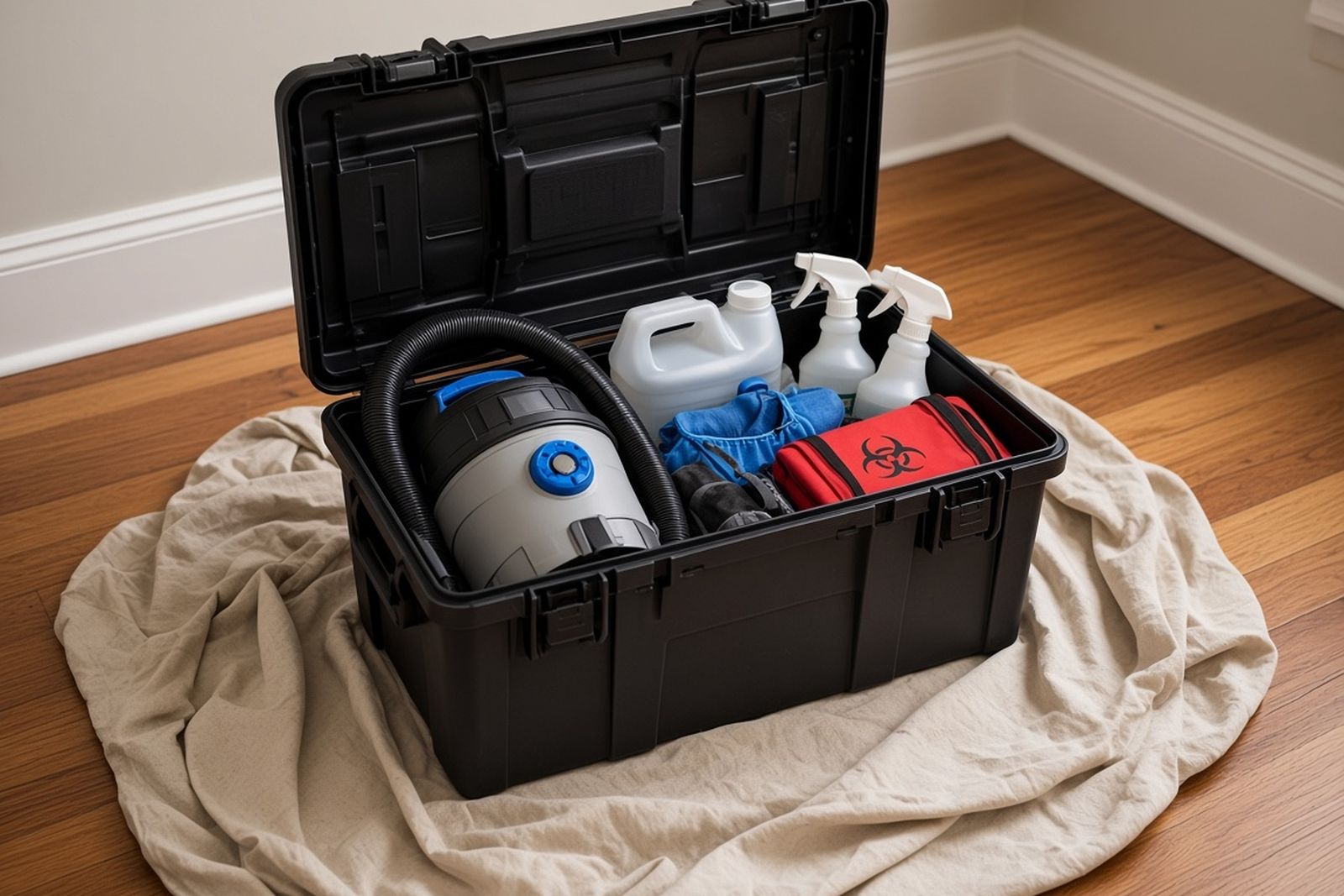
Costs explained
What drives the price, published cost ranges, and how to read a written quote line by line.
Insurance and payment
Which policies may respond, how to document a claim, and what to do if coverage is denied.
Planning tools
Planners, checklists, and guides you can click through for the days after police release a crime scene, each built for this situation.
Community polls
See what other readers think about the choices people face after a crime at their property, from picking a company to what surprised them most.
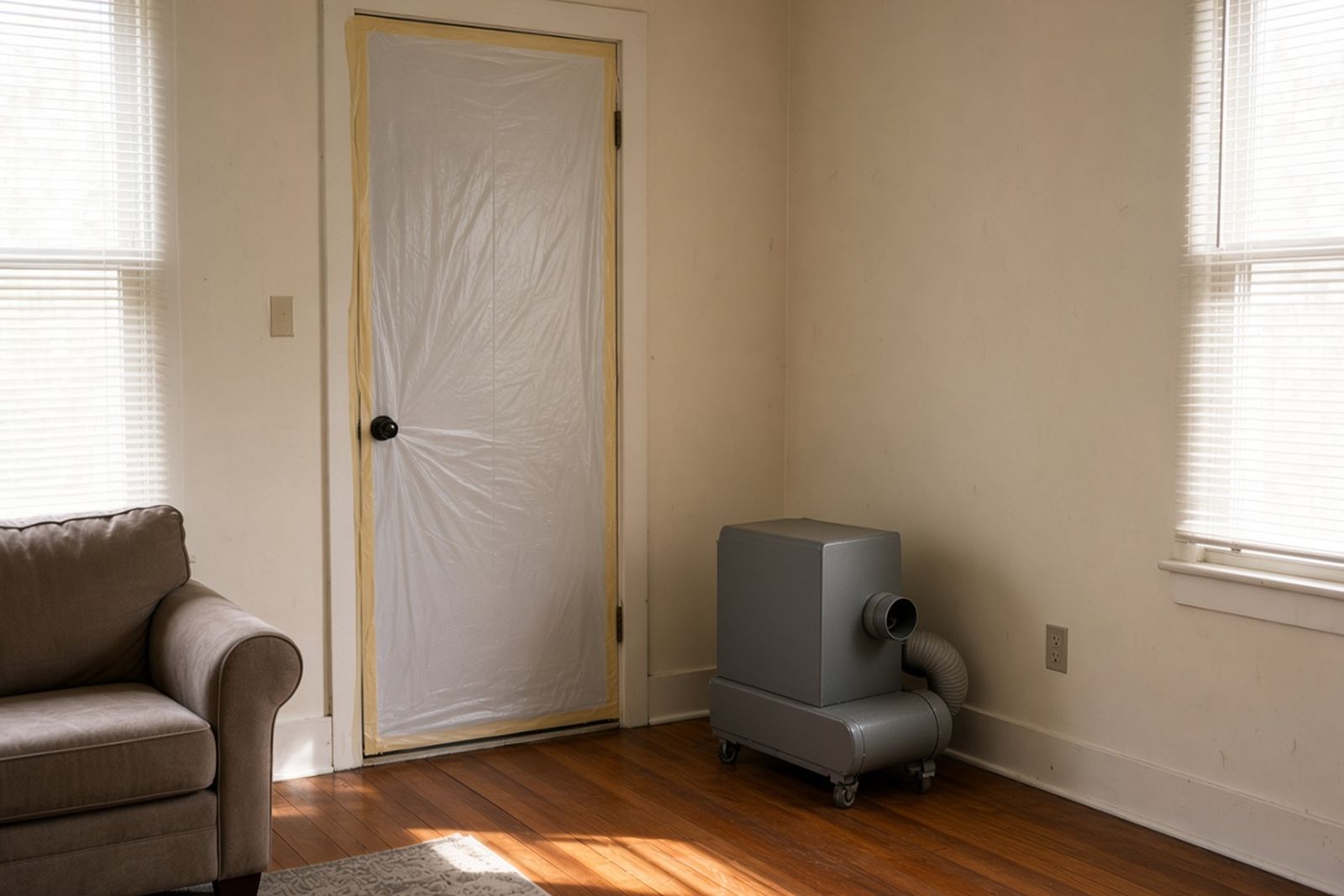
Knowledge quiz
Test what you know about scene release, sealing off the area, disinfecting, waste, and checking the work, with a short quiz and a plain study guide.
Field guides
Longer step-by-step guides on confirming scene release, working with insurers, reading a cleanup job plan, and keeping people safe while work is underway.
City guides
Find local facts and reach companies by area, with reminders that license and disposal rules vary by state and county.