Crime Scene Cleanup Cost: What Drives the Price
Understand every line of a crime scene cleanup quote before you sign.
After police release a property, the cleanup bill often comes before you have had time to breathe. This page explains what a crime scene cleanup price covers. It shows what pushes the price up or down and how to read an itemized estimate line by line. It also covers who usually pays. That way you can ask clear questions without feeling rushed.
Get an email reply about crime scene cleanup
Send a short message to the follow-up inbox. A coordinator can reply by email. This form does not send emergency help; call 911 first if anyone is in danger.
What published figures say about cost
- 18%
18% of the insured, inundated-household subgroup reported an insurance dispute or denial.
Read with care: Observational and self-selected; negative-comment denominator is comments, not all insured people.
Source: McKenzie et al. (2022)521 insured, inundated-household respondents from a 2,530-person survey six months after flooding.
- 1,977 awards
Ohio paid 1,977 crime victim compensation awards averaging $3,716 each in fiscal year 2024, totaling about $7.3 million.
Read with care: Includes all expense types (medical, funeral, lost wages), not only cleanup.
Source: Ohio Attorney General (2024)Ohio, July 1, 2023 to June 30, 2024
- 6.8 million
VOCA-funded subgrantees served 6.8 million crime victims in fiscal year 2025.
Read with care: Counts services delivered, not unique individuals; includes non-violent crime victims.
Source: U.S. Department of Justice, Office for Victims of Crime (2025)United States, FY2025, victim assistance and compensation subgrantees
- $760,704,172
State VOCA-funded victim compensation programs paid $760,704,172 supporting 453,051 claims in federal fiscal years 2019-2020.
Read with care: Aggregate across expense types; OVC does not publish a national breakdown of cleanup payouts.
Source: U.S. Department of Justice, Office for Victims of Crime (2020)United States, all state compensation programs, FY2019-FY2020 combined
- $4,869
Utah's Office for Victims of Crime paid $4,869 in crime scene cleanup expenses across all claims in its 2024 reporting year.
Read with care: Single state, single year; shows cleanup is a small share of total compensation outlays.
Source: Utah Office for Victims of Crime (2024)Utah, 2024 annual report period
- 5.3%
In 2023, 5.3% of insured U.S. homes had a claim, and the average homeowners claim severity was $20,062.
Read with care: Covers all peril types (wind, water, fire, liability); biohazard-specific claim data is not published.
Source: Insurance Information Institute (Triple-I) (2023)United States, homeowners insurance claims, 2023
These figures are public research and agency data, not this network's own job records. Keep each number with its population, year and limits; none of them predicts cost, timing or outcome at a specific property.
What are you actually paying for when you hire crime scene cleanup?
A crime scene cleanup bill is rarely one charge for scrubbing. It bundles several kinds of work. Each has its own labor, supplies, and risk. First, workers must confirm police have released the scene. They record what they see and set up protective barriers before touching anything. Then they remove contaminated materials and clean and disinfect what stays. They clean up fingerprint powder or chemicals police left behind. They pack the regulated waste and check the results at the end. Rebuild work, like new drywall or flooring, is usually separate.
Knowing these groups helps you spot a quote that lumps everything into one vague total. A clear estimate lets you see where most of the effort goes and why. If the biggest share is tearing out materials, ask to see how far fluid soaked in. If it is labor hours, ask how many workers are planned and for how long. The goal is not to argue every line. It is to understand the thinking behind the number.
- Labor for trained workers wearing protection against blood-borne germs
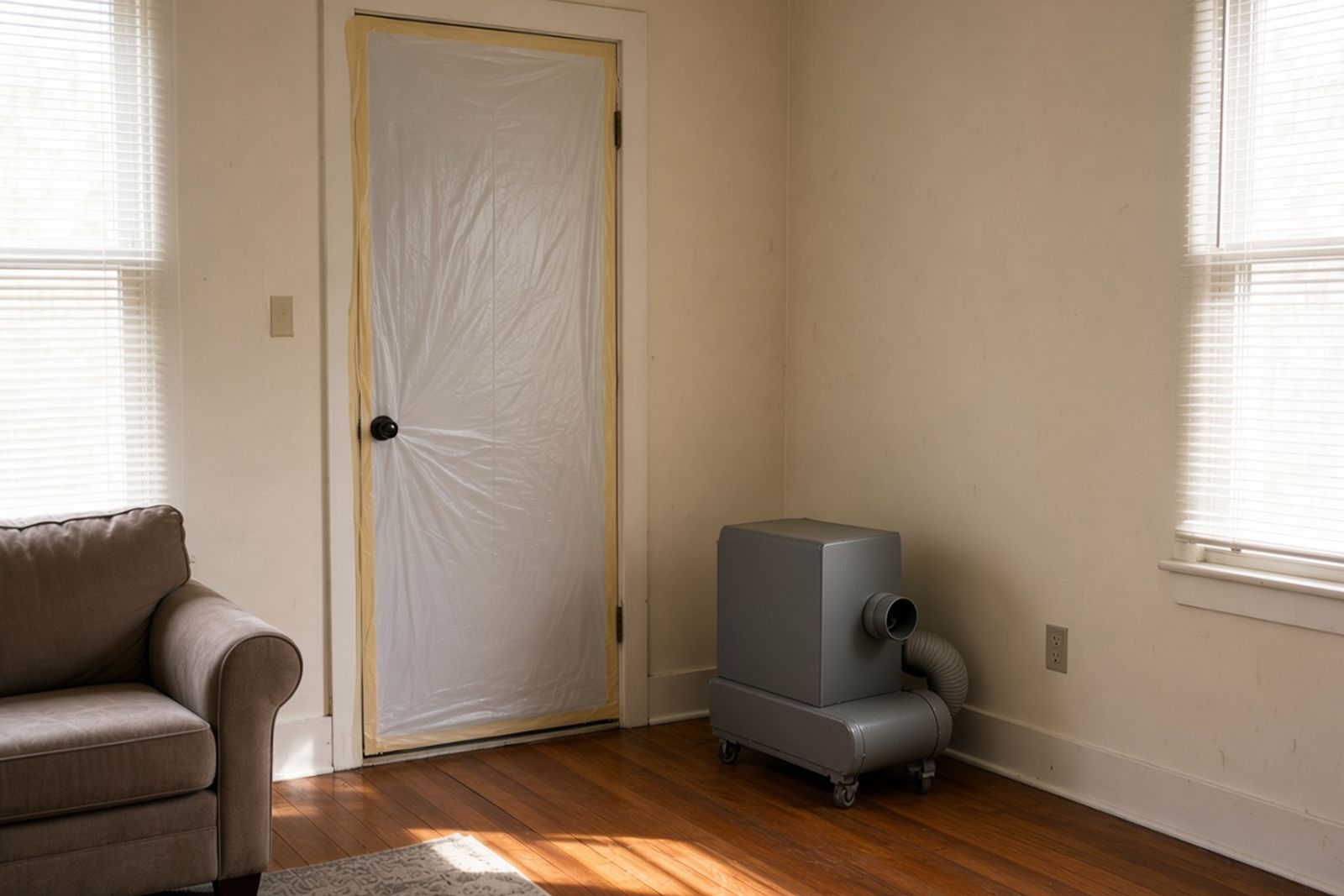
- Plastic walls and HEPA air filters that keep dust and mist inside the work area
- Removing soaked carpet, pad, drywall, trim, or furniture
- Cleaning fingerprint powder and police chemicals
- Packing, hauling, and disposing of regulated medical waste
- Final checks, such as a quick swab test for leftover organic residue (it does not detect germs), plus closing photos
- Rebuild or finish repairs, usually quoted separately
Which conditions push a crime scene cleanup price up or down?
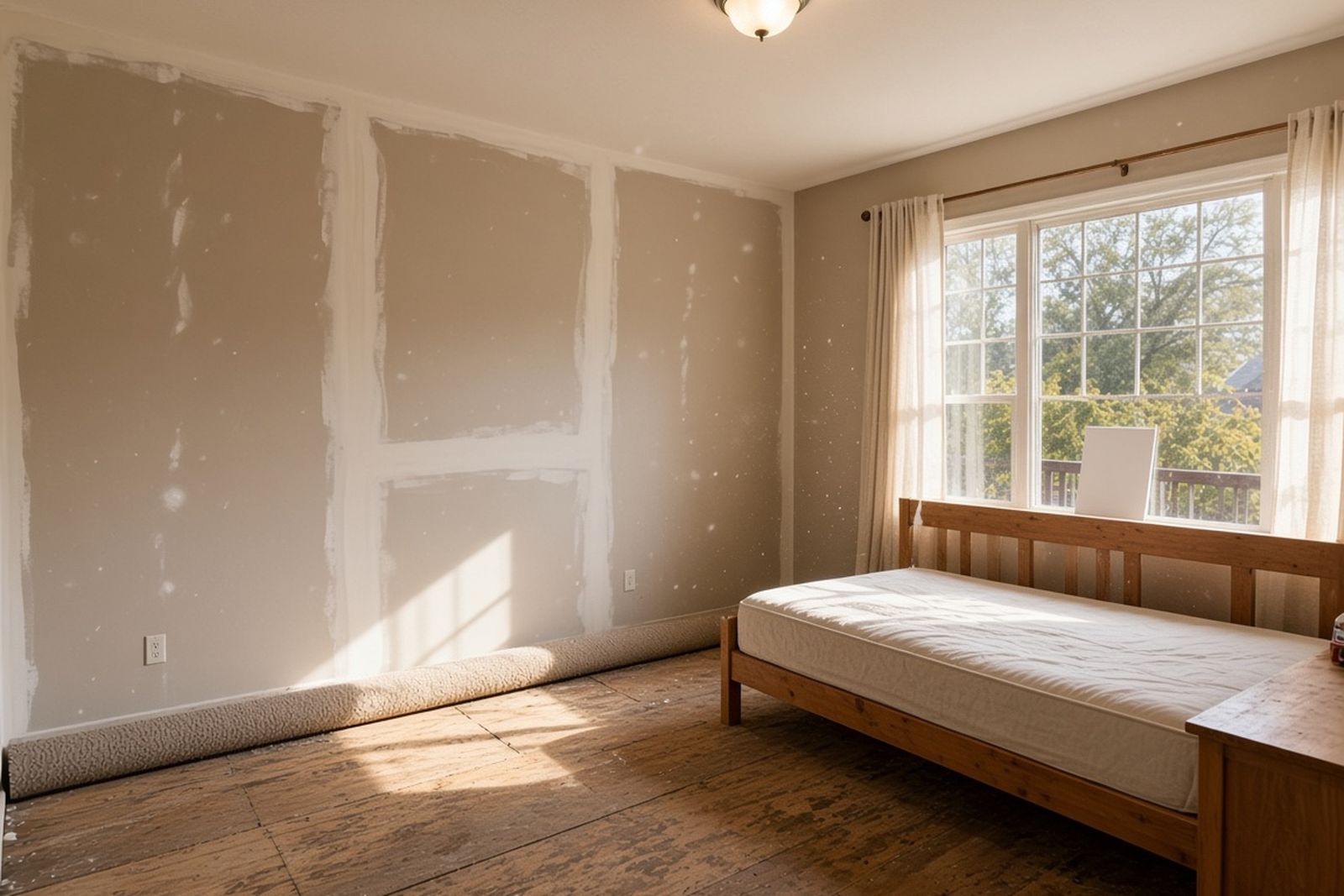
The biggest factor is how far blood and other fluids spread. A small injury on sealed tile might take one short visit. Fluids may have soaked through carpet into the subfloor, or been tracked across several rooms. Then the crew may need to tear out materials, and the work takes much longer. Time matters too. Scenes that sat for days before release can mean deeper soaking and stronger odor. Both add effort and supplies.
Police residue is a factor unique to this work. Fingerprint powder may coat door frames, cabinets, and electronics all through a home. Chemicals used by police can leave films that need special cleaners. If officers used tear gas or pepper spray, the job grows further. Those agents settle into soft goods and air vents. Hard access also adds labor. Examples are upper floors with no elevator, tight crawlspaces, or tenants living in the units next door.
Last, the type of property shapes the price. One bedroom in a house is simpler than a business that must reopen fast. It is simpler than a vehicle with fabric seats. It is also simpler than a rental where the landlord needs detailed records for several parties. Each of these changes how much sealing off, paperwork, and planning the crew must do. Ask the provider which of these factors apply to your scene so you understand the estimate.
How do hourly rates and emergency surcharges shape the total?
Many companies bill crime scene work by the hour for each worker, plus supplies and disposal. Fixr's 2025 cost guide says professional crime scene and after-death cleanup is usually billed at $400-$600 per hour. That figure reflects crew size, protective gear, and special training, not one worker's wage. Treat any published range as background. It is not a promise of what your scene will cost.
Timing can change the math too. The same 2025 Fixr guide reports a $500-$1,000 per-visit extra charge for around-the-clock emergency biohazard response. If the property can safely stay closed for a short time, ask if a scheduled start is possible. That may lower the charge. If the space is a business, a shared building, or a place where children live, waiting may not be realistic. Then the extra charge may be worth paying for speed.
How should you read and compare an itemized crime scene cleanup quote?
First, check that the quote describes the scene you really have. It should name the rooms and surfaces. It should say whether police residue cleanup is included. Look for separate lines for labor hours, sealing off the area, removal, disinfecting products, waste packing and disposal, and final checks. A line that just says “biohazard cleanup” with one number gives you nothing to compare. It also gives you nothing to show an insurer.
When you have two or more quotes, compare the work before the price. One company may include tearing out the affected subfloor. Another may assume surface cleaning is enough and add the tear-out later as a change order. Ask each provider what happens if fluid soaked in farther than they first thought. Ask how change orders are approved. Ask whether you will get photos, product names, how long the disinfectant stayed wet, and the waste shipping records at the end. The lowest number is only a good deal if the work matches. Also confirm what is left out. Rebuild, cleaning belongings, odor treatment, and heating and cooling work are sometimes missing from the first estimate. Knowing that ahead of time prevents surprise bills.
Which hidden costs tend to surface after the work begins?
The most common surprise is hidden spread. Blood can run under baseboards or seep through carpet seams. It can drip to a lower floor through gaps around pipes. Once flooring comes up, the crew may find more than the visible stain suggested. Then the job grows. A good provider will pause and photograph what they found. They will explain the added cost before going on, instead of just billing more at the end.
Other costs sit outside the cleanup itself. A rebuild contractor replaces drywall, flooring, cabinets, or paint. Belongings that soaked up fluids may need special cleaning or replacing. Odor treatment, new heating and cooling filters, or duct cleaning may follow if powder or mist reached the vents. You may also face a place to stay, new locks, or lost business income while the space is closed. None of these is certain. But asking about them early keeps your budget realistic.
- More tear-out after flooring or baseboards are opened
- Rebuild trades for drywall, flooring, paint, and trim
- Cleaning or replacing soaked belongings
- Odor control and heating and cooling filter or duct work
- A temporary place to stay or lost business income
Who usually pays for crime scene cleanup?
Who pays usually follows who owns and controls the property. When the owner lives in the home, the owner usually hires the cleanup. The owner may seek repayment from insurance. In a rental, the landlord usually arranges cleanup of the building. The tenant may be responsible for personal belongings. For a business, the owner or property manager signs the work order. They may turn to a business property policy. When the person who lived there has died, the estate often pays through the executor.
Crime victims and their families may also be able to get help from a state victim compensation program. In many states, these programs list crime scene cleanup as a cost they cover. They usually pay only after insurance, as a last resort. They have their own application steps and limits. Rules vary by state and county. Check with the local authority or the program directly before you count on any repayment.
What might a realistic crime scene cleanup job look like from start to finish?
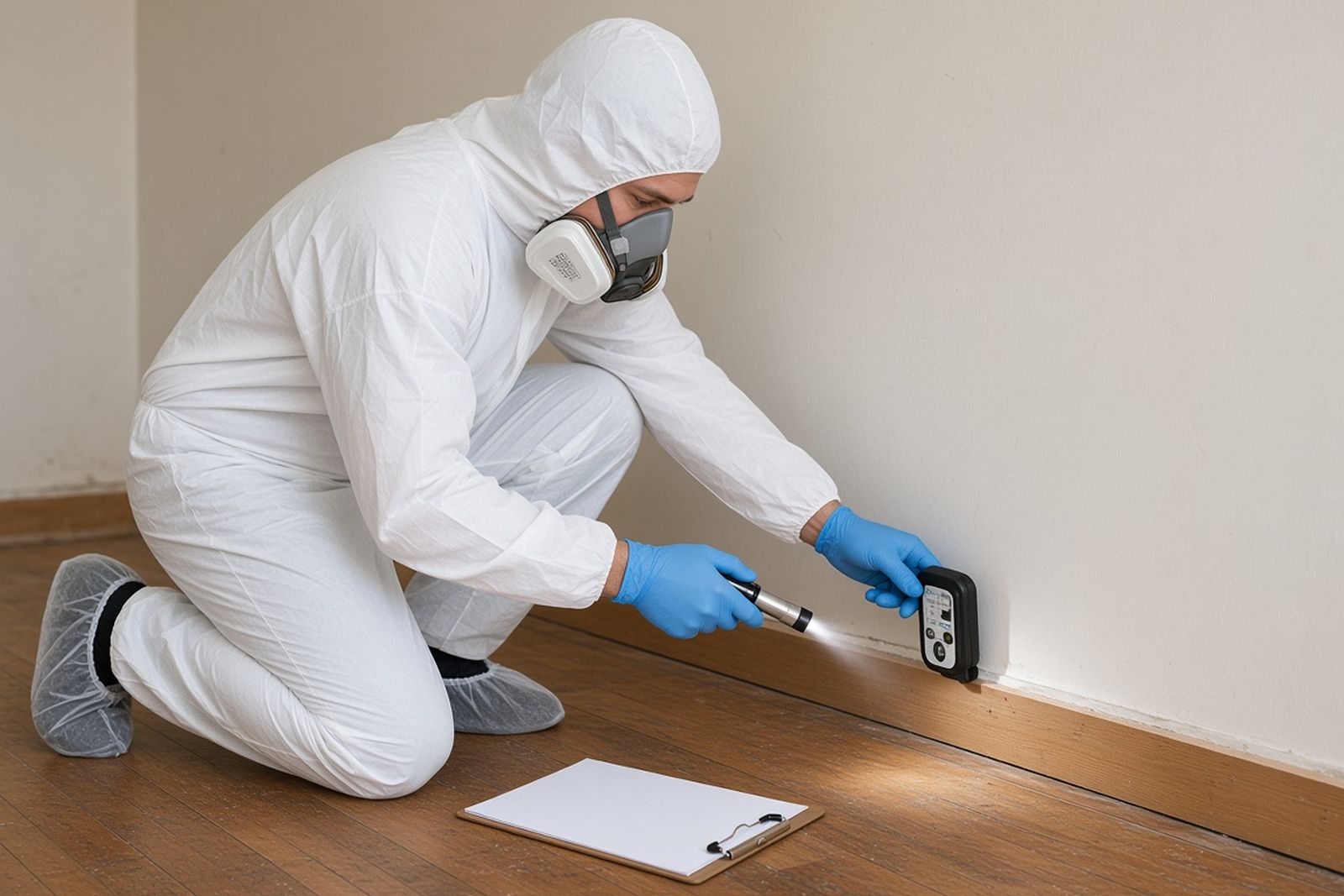
Imagine a homeowner whose living room was the site of an assault. Police release the home after their work. They leave fingerprint powder on the front door, a side table, and a window frame. Blood shows on the carpet and a nearby wall. The homeowner calls two providers. Both walk through the space and send written estimates. One quotes carpet removal only. The other quotes carpet, pad, and part of the subfloor. Its moisture readings showed the spread went past the stain.
The homeowner picks the more thorough plan because it explains the readings. During the work, the crew finds that fluid also reached the baseboard. They send photos and a short change order before removing it. At the end, the homeowner gets a written summary, photos, product details, and waste records. Later, a separate contractor bids the new flooring and paint. The homeowner sends everything to their insurer and to the state victim compensation program for review.
How does the national average compare with a crime scene quote?
Broad cost guides can help you judge whether a quote is in a likely range. Fixr's January 2025 guide says biohazard cleanup averages about $4,000 nationally. That average blends many kinds of jobs, from small body fluid spills to large trauma scenes. A crime scene with tracking through several rooms, police residue, and subfloor removal may land well above it. A small, contained incident may land below.
Use averages to start a conversation, not as a price to demand. If your quote is far above typical figures, ask the provider to walk you through what drives it. That could be how much is torn out, crew size, waste volume, or emergency timing. If it is far below, ask what is left out. Ask whether final checks and waste records are included. Either way, the explanation matters more than the number. It tells you whether the company understands your scene.
Estimate your range
Crime Scene Cleanup cost range estimator
Educational only. Real pricing needs an on-site assessment and a written scope. Insurance coverage is decided by your carrier, not by this tool.
Educational range: $3,000 – $5,000
Scaled from a published reference range (typical biohazard cleanup project, national) reported by Fixr (2025). Your region, provider and the actual findings on site can move the real number outside this range.
Cost level: Mid range.
None of the big cost multipliers are selected. Minimum service charges, travel and waste fees still apply.
Ask every quote to itemize labor, containment, product, waste disposal, verification sampling, and any rebuild, and to state what is excluded.
Open the full tool page for a worked example and more answers.
Costs questions about crime scene cleanup
Can I get a firm price for crime scene cleanup over the phone?
Most good providers will only give a rough idea by phone. The true scope depends on how far fluids spread and what police left behind. A walk-through lets them write a proper estimate. Sometimes photos you are comfortable sharing can help. Be careful with anyone who quotes a firm flat fee without seeing the space. Be just as careful with anyone who will not put an estimate in writing after an inspection. A written scope protects you when you talk with insurers or others who may pay.
Why is fingerprint powder cleanup listed as its own line item?
Fingerprint powder and police chemicals act differently from blood. Powders are fine dust that spreads easily if swept dry. They can settle into fabrics and air filters. Chemicals may leave films that need special cleaners. This work often covers rooms that had no blood at all. So it needs its own labor and supplies. Listing it separately shows you the effort involved. It also shows an insurer or compensation program that the charge is for police residue, not cosmetic cleaning.
Is it cheaper to clean the scene myself?
Doing it yourself may seem cheaper, but it has real risks. Blood can carry germs that cause disease. Without the right protection, barriers, and a safe way to get rid of waste, you may expose yourself or others. Household cleaners often cannot reach fluid that soaked below the surface. Insurers and compensation programs may also want records from a professional. If cost is a serious worry, ask providers about payment timing and billing insurance directly. That is safer than taking on the hazard yourself.
Does the price include replacing the carpet and drywall I lose?
Usually not. Cleanup companies remove contaminated materials and make the building safe. Rebuilding is usually a separate trade with a separate bid. Some firms work with rebuild partners, which can make scheduling easier. But the costs usually show up on different bills. Ask each provider to say clearly what they will remove and what shape they will leave the space in. Then you can get realistic rebuild estimates. You also won't assume finishes are included when they are not.
What documentation should I expect with the final invoice?
A full closing package usually has before and after photos and a written summary of the work. It lists the materials removed, the disinfectants used, and how long each stayed wet. It includes any test readings and waste disposal records. This package supports insurance claims, victim compensation applications, and landlord files. It can also give you peace of mind. If a company cannot describe its records before you hire it, keep comparing options.
Can the cleanup company bill my insurance directly?
Many providers will work with insurers. They may accept an assignment of benefits, which lets the insurer pay them directly. That can ease your cash flow, but it does not guarantee coverage. You usually still owe any amount the insurer will not pay, including deductibles. Read any assignment form carefully before you sign. Ask what happens if the claim is only partly paid. Keep copies of everything you send and receive.
What if I cannot afford the cleanup right away?
Start by asking the provider about payment timing and deposits. Ask if they will wait for insurance money. Call your insurer early to open a claim. If a crime was involved, contact your state victim compensation program or a local victim advocate. They can explain who qualifies and what paperwork is needed. Some landlords, employers, or community groups may help in certain cases. Rules vary by state and county, so check your local options instead of relying on general ideas.
What other visitors said
Every count is a real visitor vote; nothing is seeded or padded. One vote per poll per device, and you can change your answer.
What was the hardest thing to figure out in the first day after the scene was released?
Which type of incident brought you to this topic?
More on crime scene cleanup
Crime Scene Cleanup services
See what crime scene cleanup covers, from blood and police residue to tear gas and cars, and what the work does not include.
Insurance and payment
Which policies may respond, how to document a claim, and what to do if coverage is denied.
Planning tools
Planners, checklists, and guides you can click through for the days after police release a crime scene, each built for this situation.
Community polls
See what other readers think about the choices people face after a crime at their property, from picking a company to what surprised them most.
Knowledge quiz
Test what you know about scene release, sealing off the area, disinfecting, waste, and checking the work, with a short quiz and a plain study guide.
Articles and resources
Read about common kinds of crime scenes, like a break-in where someone got hurt, tear gas left after a standoff, or the mess from a police search. Written for owners.
Field guides
Longer step-by-step guides on confirming scene release, working with insurers, reading a cleanup job plan, and keeping people safe while work is underway.
City guides
Find local facts and reach companies by area, with reminders that license and disposal rules vary by state and county.