Short answer
Support can come from a victim advocate, a counselor who knows trauma, your doctor or an employee assistance program. It can also come from faith or community groups and people you trust. If you are in crisis or thinking about harming yourself, call or text 988 to reach the 988 Suicide and Crisis Lifeline. You do not have to be present for the cleanup or manage every decision alone.
Is it normal to feel this shaken after a crime at home or work?
Yes. A crime in the place where you live or work can upset your sense of safety in a way that is hard to describe. People often report trouble sleeping, jumping at small noises and trouble focusing. They report anger, numbness or an urge to avoid certain rooms. Some feel fine at first and struggle weeks later.
These reactions happen even after incidents that others might call minor. When the incident involved violence or injury, the emotional weight is often heavier still.
Feeling this way does not mean you are weak or overreacting. It means something frightening happened in a place that should have felt safe. Your mind and body are responding to it.
You do not have to be there during the cleanup
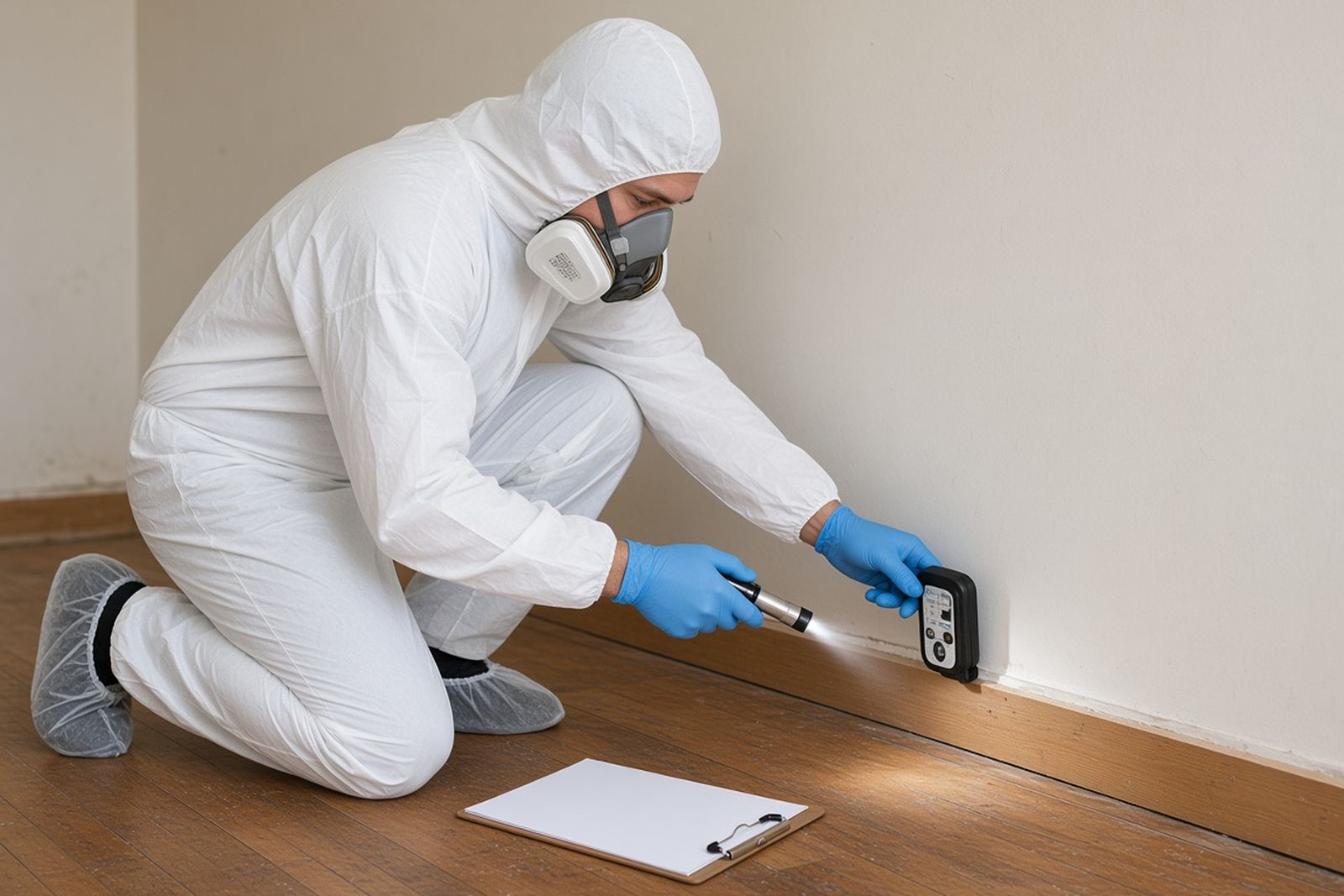
Many people find it easier to stay somewhere else while a crew works. A reputable crime scene cleanup company can inspect the scene and send you photographs and a written work plan. It can ask for your approval by phone or email. You can name a relative, friend, advocate or property manager to meet the crew if you prefer.
If you do want to be there, that is your choice too. Some people find it helpful to see the work being done. Ask the supervisor to explain each step in plain terms. Ask them to tell you before anything personal is moved and to give you a place to sit away from the affected area.
It is also okay to change your mind. You might start the day wanting to be there and decide to leave an hour later. Tell the crew, and they should adjust.
Practical worries can feed emotional ones. You may be anxious about cost or insurance while the work is underway. If so, ask the cleanup company and your advocate to walk you through the paperwork. Then it does not sit in the back of your mind.
Who can help me right now?
Several kinds of support exist, and you can use more than one at the same time. The goal is not to find the perfect resource. It is to avoid carrying everything alone.
Victim assistance is widely available. The U.S. Department of Justice's Office for Victims of Crime reports that VOCA-funded subgrantees served 6.8 million crime victims in fiscal year 2025. Those programs include advocates who can explain your rights, help with compensation applications and connect you with counseling.
Many people who could benefit from help never get it. Some think their reactions will pass on their own. Others do not know where to start or worry about cost. Some feel they should be focusing on practical tasks like insurance and repairs.
If you notice yourself putting off help, try making one small call, such as to a victim advocate or your doctor. Let them do some of the searching for you.
- A victim advocate through the police department, prosecutor's office or a community agency
- Your primary care doctor, who can check on sleep, stress and physical symptoms
- A licensed counselor or therapist who has experience with trauma
- An employee assistance program through your job or your partner's job
- Faith leaders, community organizations and peer support groups for crime survivors
- Trusted friends and family who can help with meals, childcare and errands
- The 988 Suicide and Crisis Lifeline, by call or text at 988, at any hour
Helping children through this time
Kids tend to pick up on far more of a household crisis than grown-ups realize. They may overhear conversations, see police tape or sense tension at home. Their reactions can include clinging, nightmares, changes in appetite and trouble at school. Some children act out what happened in their play.
Keep your explanations simple, honest and suited to their age. Tell them what is being done to keep them safe, including that professionals are cleaning and repairing the home. Keep routines as steady as you can, even if you are staying somewhere else. Children usually do not need to see the affected area, before or during cleanup.
If you are worried, ask your pediatrician, a school counselor or a therapist who works with children. Many victim assistance programs also have resources made for children and teens.
What if the crime involved a death or suicide?
When the incident involved a death, grief and trauma overlap. You may be dealing with shock, legal proceedings, funeral plans and the practical question of the home all at once. Give yourself permission to hand off anything that others can handle.
If the death was a suicide, you may feel intense guilt, confusion or anger. Those reactions are common among people who lose someone this way. Support groups for survivors of suicide loss can be especially helpful. If you ever find yourself thinking about ending your own life, call or text 988 right away. You deserve support, and help is available around the clock.
People who lose someone to violence also benefit from groups made up of others who understand. A victim advocate or counselor can help you find one nearby or online.
Supporting employees after an incident
Some of your employees may have seen the crime or helped an injured person. Others simply work in the space where it happened. Any of them may struggle when they return. As a manager, you can help by offering time off or flexible schedules. Make your employee assistance program easy to reach. If staff want one, arrange a group talk with a counselor.
Do not ask employees to clean the scene themselves. Blood and other body fluids that can carry disease are a health risk. Handling the aftermath can also deepen the emotional impact. Bring in trained professionals and let your staff return after the space has been restored.
Check in with people one by one in the weeks that follow. Some reactions appear later, especially around anniversaries or court dates.
Making the return a little easier
Returning to a home or workplace after a crime can be one of the hardest moments. That is true even when the cleanup was thorough and nothing remains to be seen. The memory lives in the room, not only in the stains.
A few practical steps help many people. Walk through the first time with someone you trust, in daylight if you can. Ask the cleanup supervisor to explain what was done in each area, so you are not left wondering. Consider small changes that make the space feel different. You might move furniture, change a rug, add lighting, repaint a wall or improve your locks and window security.
Go at your own pace. Some people move back the same week. Others need a gradual return, spending a few hours at a time before staying overnight. Some decide they cannot live there again, and that is a fair decision too. A counselor can help you think through what feels right without pressure.
Certain sounds, smells or times of day may bring back strong reactions. Write them down and share them with your counselor or doctor. Knowing your triggers makes them easier to manage.
A supportive plan, sketched out
One way to see this is through a made-up family: a mother, her teenage son and her younger daughter. A break-in at their house leaves the mother injured and blood in the entry and living room. After she is treated at the hospital and sent home, they stay with her sister.
A victim advocate from the prosecutor's office calls. She explains the state compensation program, including coverage for counseling and cleanup. The mother asks her sister to meet the cleanup crew and approve the work plan by phone. The advocate refers the family to a trauma counselor. The mother tells her doctor about her sleep problems. The daughter's school counselor is told, so teachers can be supportive.
When the house is ready, the family walks through it together with the counselor's suggestions in mind. They rearrange the living room, add brighter lighting at the entry and take the first night slowly. They are not a real family. The example only shows how practical and emotional support can work side by side for you too.
When to seek more help
Reach out to a professional if your distress is not easing after several weeks or if you are avoiding your home or work. Reach out if sleep problems go on, if you are leaning on alcohol or other substances to cope, or if your relationships are suffering. These are signs that extra support could make a real difference.
Seek help right away if you have thoughts of harming yourself or someone else. Call or text 988 to reach the 988 Suicide and Crisis Lifeline, or call 911 in an emergency. Resources, compensation rules and counseling benefits differ from place to place. A local victim advocate is often the best person to help you find what is available where you live.