Short answer
Compare crime scene cleanup bids by scope, not total price. Put each quote side by side and check what is included: assessment, containment, removal of porous materials, disinfection, waste packaging and disposal, verification and documentation. A low bid that omits any of these can cost more later. Ask each provider to explain assumptions, change-order rules and what records you will receive.
Why can two crime scene cleanup bids be so far apart?
It is common to receive quotes that differ by a wide margin for the same scene. That gap rarely means one company is simply greedy and the other generous. More often, the two providers are describing different jobs.
One bid may assume the blood stayed on sealed surfaces and can be cleaned in place. Another may assume it reached carpet pad or drywall and will need removal. One may include regulated waste disposal and a written completion report. Another may leave those out or bill them separately. Until you compare scope, you are not really comparing prices.
Industry averages offer only broad context. Fixr's January 2025 cost guide reports that biohazard cleanup nationally averages about $4,000, with a typical range of $3,000 to $5,000 and extremes from $1,500 to $25,000. The same guide reports that professional crime scene and after-death cleanup is typically billed at $400 to $600 per hour. Your job may fall anywhere in or outside those ranges, depending on what is actually present.
What every bid should include
A complete bid describes the work in enough detail that you could hand it to someone else and they would understand what will happen. If a quote is a single number on a text message, ask for a written scope before deciding.
Look for these elements in each estimate:
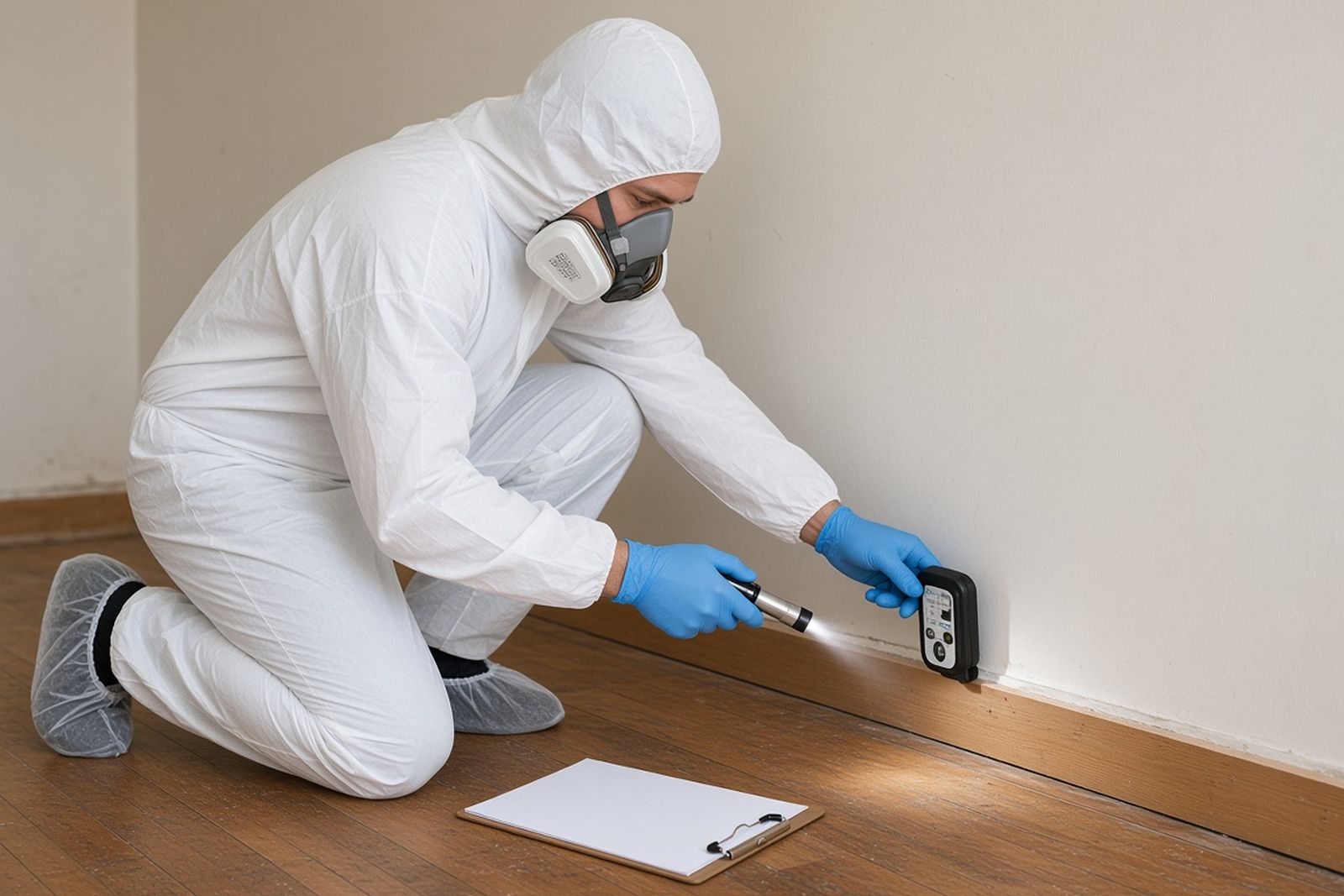
- A written hazard assessment or description of the affected areas
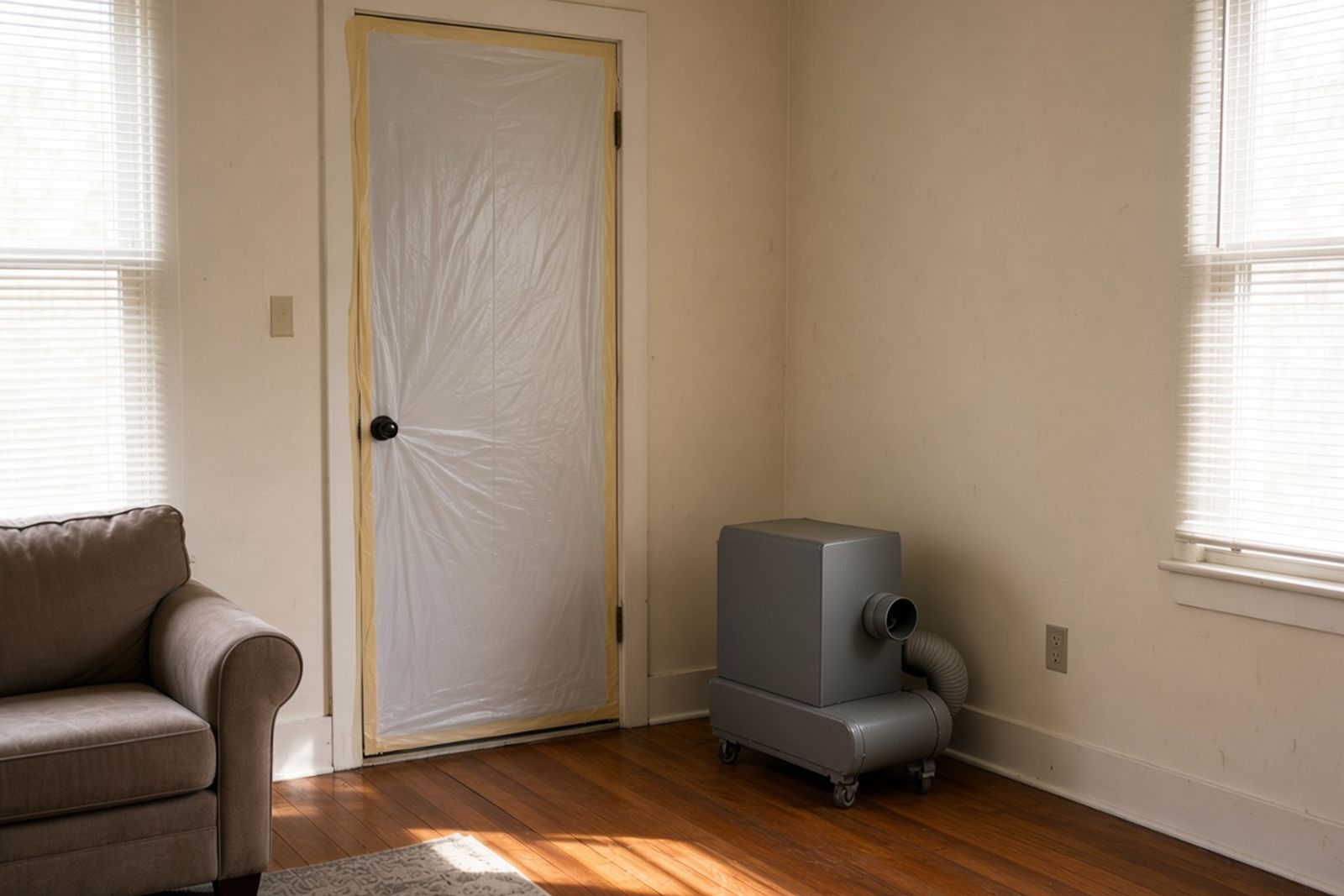
- Containment to keep contamination out of unaffected rooms
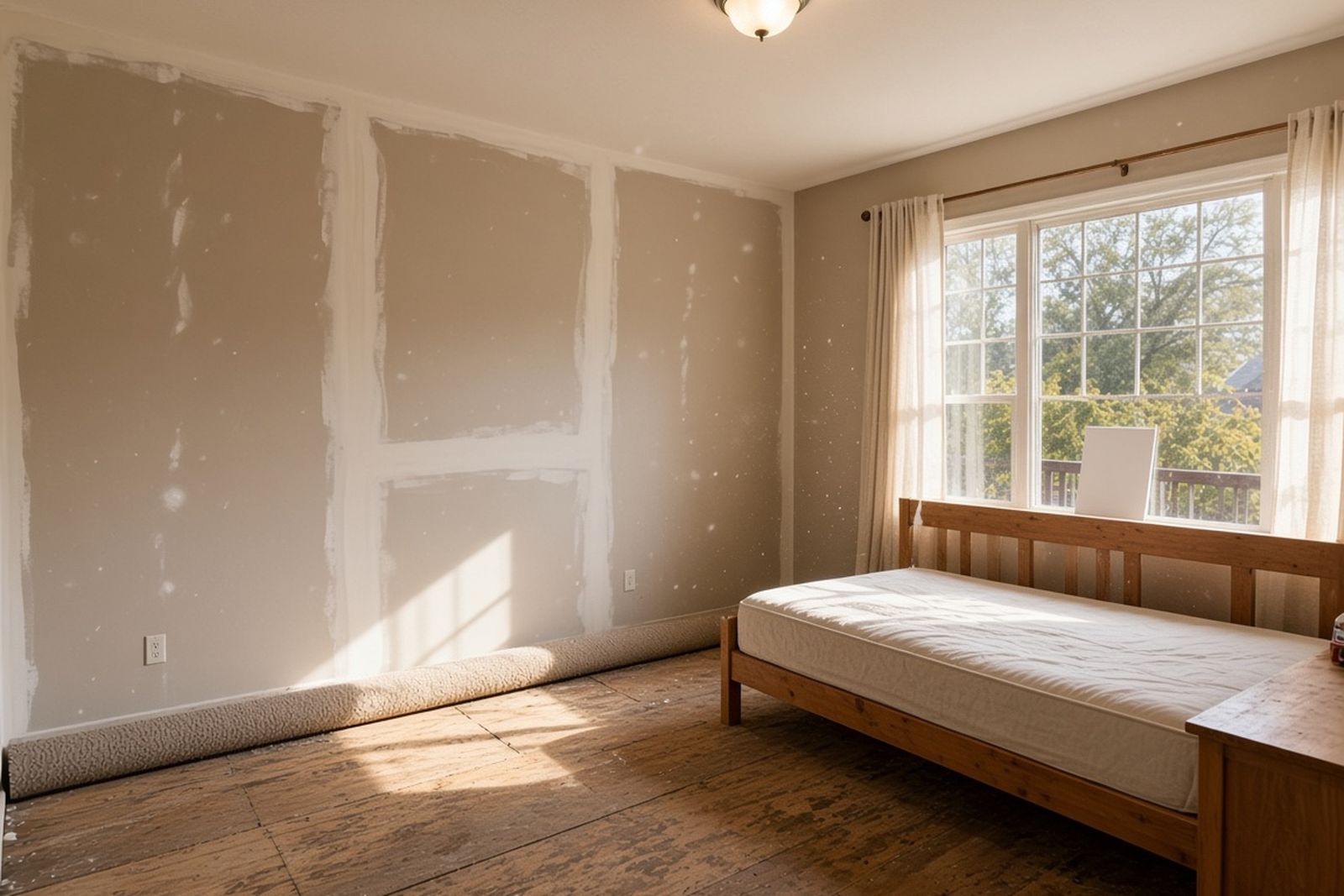
- Removal of porous materials such as carpet, pad, upholstery or drywall, with an estimate of how much
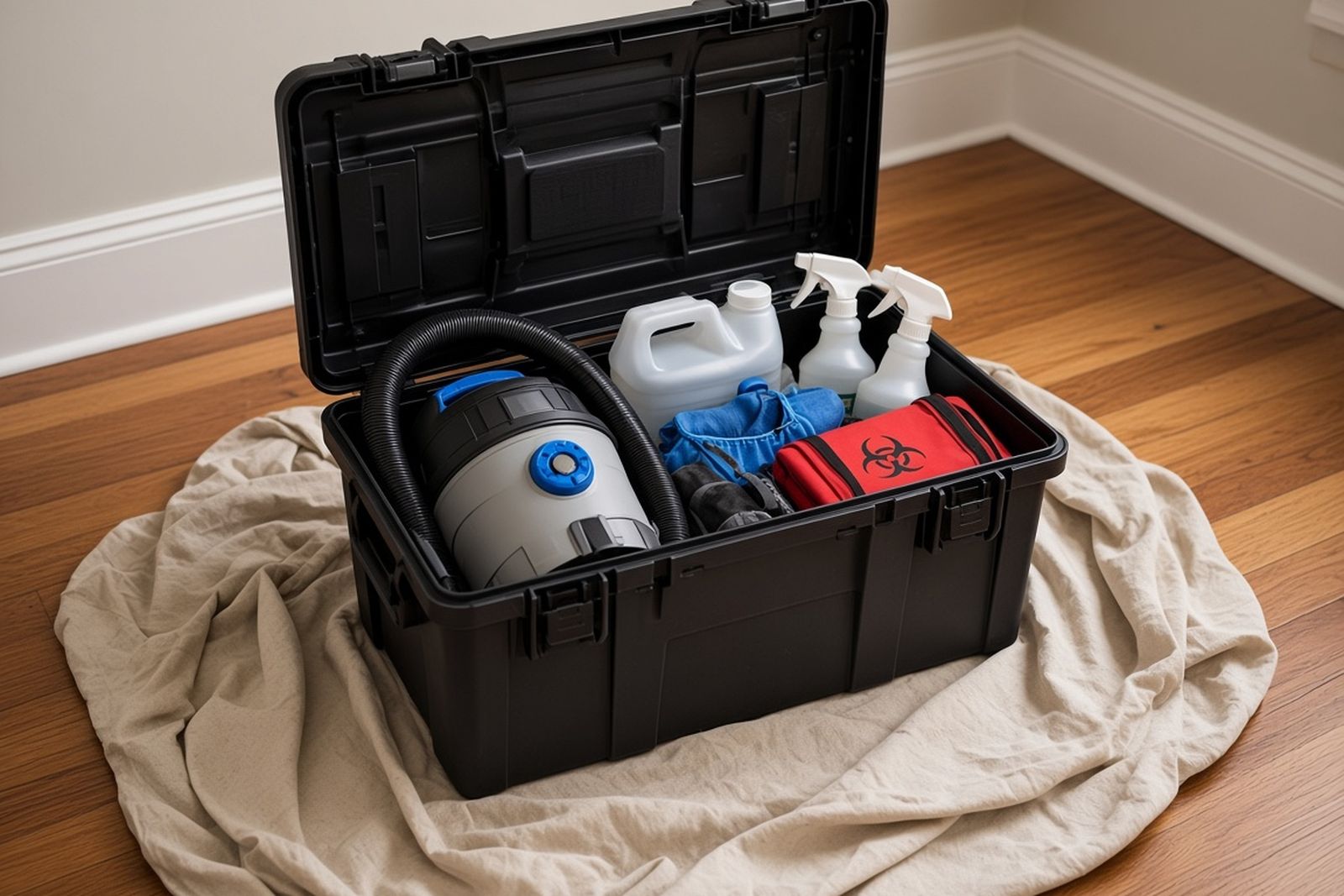
- Cleaning and disinfection with EPA-registered products used according to label directions
- Packaging, transport and disposal of regulated waste
- Odor control if needed
- Verification of results, such as a final inspection or testing the provider can explain
- Photographs, an item log and a written completion report
- Pricing method: flat fee, hourly, per room or a combination
Where low bids cut corners
A lower price is not automatically a problem. A smaller company with less overhead may do excellent work. The concern is when the savings come from omitting steps that protect your property and health.
The most common gaps are easy to miss. Some low bids clean visible surfaces but do not check beneath flooring, so fluid remains in the pad or subfloor and odor or staining returns later. Some skip containment, which can spread contamination into hallways or HVAC returns. Others quote cleaning but list waste disposal as an extra charge, or fail to mention how it will be handled at all.
Documentation is another place where corners are cut. Without photographs and a written report, you may struggle to answer questions from an insurer, landlord, victim compensation program or future buyer.
Watch for vague phrases like standard cleaning or as needed. Terms like these leave room for the provider to decide later what was included, and that uncertainty usually works against the customer.
Can a high bid be padded?
Yes, and it is reasonable to look critically at expensive quotes too. A high bid may include demolition that is not clearly needed, unnecessary repeat treatments, vague line items such as miscellaneous supplies or premium charges without explanation.
The test is the same for any quote: can the provider explain why each item is necessary for your scene? A trustworthy company will connect each line to something they saw during the assessment. If a charge cannot be explained plainly, ask for it to be removed or clarified.
Be cautious of pressure tactics as well. Statements that a price is good only if you sign now, or that you must decide before a second company visits, are warning signs regardless of the total.
Comparing bids side by side
A simple table can make the differences clear. List each provider across the top and each scope element down the side. Mark whether each item is included, excluded or unclear. Add a row for pricing method and one for estimated duration.
Next, look at the assumptions. Does each provider expect to remove the same materials? Do they agree on how many rooms are affected? If one company assumes carpet removal and another does not, ask the second why. They may have a good reason, or they may not have looked closely.
Finally, compare how each handles surprises. Crime scene work often reveals hidden contamination once materials are lifted. A good bid explains how changes will be communicated and approved before extra work begins, and whether any price is capped without your written consent.
What a bid says about the company behind it
A quote is also a preview of how a provider works. A company that sends a detailed, organized estimate after a careful walkthrough is likely to bring the same attention to the cleanup. One that quotes a firm price over the phone without seeing photos or visiting may be guessing.
Look for signs of safety practice in the bid itself. Does it mention protective equipment, containment and waste packaging? Does it reference training or an exposure control plan? Does it state who will supervise the crew? These details cost money to deliver, and their absence can explain part of a low price.
Ask about insurance as well. A provider should be able to show that it carries liability coverage and workers compensation for its employees. If a technician is injured on your property and the company is uninsured, questions about responsibility can become complicated.
Finally, notice how the company communicates. Clear answers, reasonable timelines and a willingness to put commitments in writing are worth something, especially during a stressful week.
Three bids for one den: an illustration
Here is how that can play out with three bids for the same room. A homeowner returns from a trip to find that a family member was injured in the den during a home invasion and has since recovered. Police release the house, and the homeowner requests three bids.
The first bid is the lowest by a wide margin. It lists surface cleaning of the den floor and walls, a deodorizing treatment and a flat fee. It does not mention the carpet pad, containment or waste disposal.
The second bid is in the middle. It includes a written assessment noting that blood appears to have reached the pad near the sofa, containment at the den doorway, removal and disposal of a section of carpet and pad, disinfection of the subfloor, cleaning of the sofa frame and removal of the cushions, photos and a completion report. It explains that if staining is found on the subfloor, the crew will pause and call before sealing or removing it.
The third bid is the highest. It proposes removing all carpet in the den and adjoining hallway, replacing baseboards throughout and a second deodorization visit. When asked, the provider cannot explain why the hallway carpet needs removal.
After comparing, the homeowner chooses the second bid. The price is not the lowest, but every line connects to something observed at the scene, and the plan for surprises is clear. The homeowner and the three bids are illustrative, not a real job.
Victim compensation and your choice of bid
They can. Many states run crime victim compensation programs that may reimburse some cleanup costs for eligible victims, and those programs often cap the amount. For example, the Ohio Attorney General's 2024 annual report states that Ohio's Crime Victims Compensation Program caps crime scene cleanup reimbursement at $750 per claim.
Program caps and eligibility rules vary, and many programs require itemized invoices. A bid that clearly lists each task and charge makes it easier to file a claim. Ask your local victim advocate or the program itself what documentation it needs before you sign.
Insurance is a separate question. Some property policies may respond to part of the work, but coverage depends on the policy and the circumstances. Share the detailed bid with your adjuster before work starts if you plan to file.
What questions should you ask before signing?
Ask the same questions of every provider so the answers are easy to compare. Write down each response. Waste disposal and business registration rules differ by location, so ask each provider which ones apply to your job and how it meets them.
The right bid is the one that clearly restores your property to a safe, usable condition, explains every charge and treats you with respect. Price matters, but it should be the last thing you compare, not the first.
- What did you see during the assessment that shaped this bid?
- Which materials do you expect to remove, and why?
- How will you contain the work area?
- Is waste packaging, transport and disposal included?
- How will you handle hidden contamination if you find it?
- Which documents will I receive at the end?
- Will you provide an itemized invoice suitable for insurance or victim compensation?