Crime Scene Cleanup: Health & Wellness
Looking after yourself and your family while you deal with crime scene cleanup, with trusted places to find support.
The health and wellness group covers the personal side of living through the aftermath of a crime at a home or business. Posts share practical ways to limit what you see and handle during cleanup. They cover how to plan for a walkthrough that may be hard. They show where to find victim advocates, grief help, and community support. Other articles cover physical health concerns, such as when to talk with a doctor or nurse about possible contact with blood.
Get an email reply about crime scene cleanup
Send a short message to the follow-up inbox. A coordinator can reply by email. This form does not send emergency help; call 911 first if anyone is in danger.
People react to these events in very different ways. No one should assume how you feel based on what happened. Some readers want full details so they feel in control. Others would rather hand off every step. These posts are written to respect either choice. Taking care of yourself can affect how you handle choices about the property. So this group sits next to the practical guides, not apart from them.
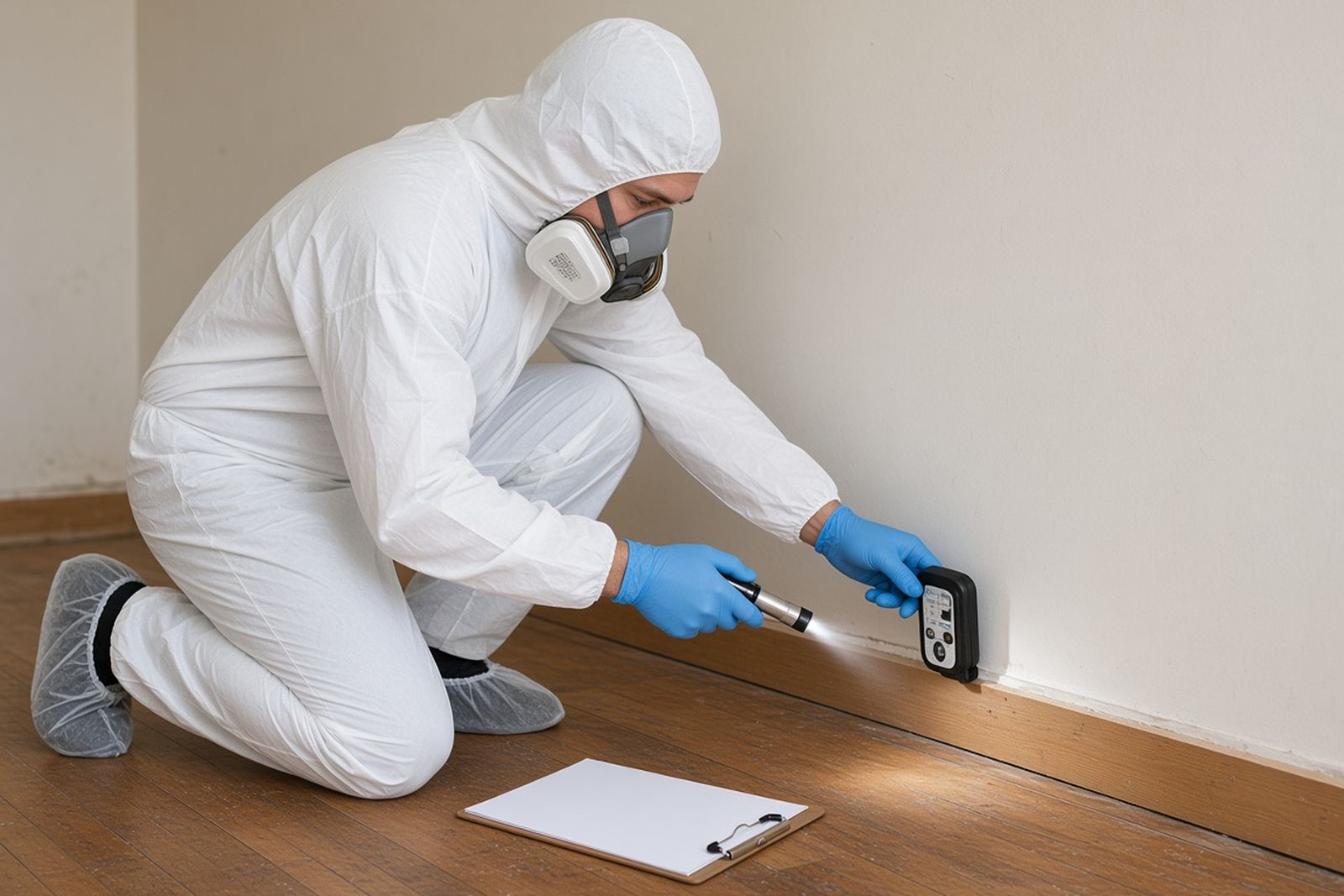
Managing Stress and Disruption During Crime Scene Cleanup
Practical ways to cope with the stress, fear and upheaval of crime scene cleanup, from staying somewhere else and helping kids to feeling safe at home again.
Cleanup often comes while you are still shaken, sleeping badly and feeling unsafe in your own space. You can ease the strain. Hand off calls, stay somewhere else during the work and fix locks and security first. Keep children's routines steady, ask for clear updates and return little by little. Victim advocates and counselors can help. Distress that lasts is a reason to reach out.
Mental Health Resources During Crime Scene Cleanup
Where to find emotional support while your home or business is cleaned after a crime. Options include victim advocates, counseling, 988, and help for children and staff.
Support can come from a victim advocate, a counselor who knows trauma, your doctor or an employee assistance program. It can also come from faith or community groups and people you trust. If you are in crisis or thinking about harming yourself, call or text 988 to reach the 988 Suicide and Crisis Lifeline. You do not have to be present for the cleanup or manage every decision alone.
Facts worth knowing
The CDC says washing hands with soap cuts the number of people who get sick with diarrhea by 23% to 40%.
Why it matters: Wash your hands with soap after any cleanup or contact with a contaminated area.
In a UK survey of adults bereaved in 2020, 56% of those who sought help from bereavement services had trouble getting it.
Why it matters: Support can be hard to reach, so you may need to ask more than once or try more than one service.
California's victim compensation program pays back up to $1,709 per claim for crime scene cleanup, for applications filed on or after July 1, 2022.
Why it matters: If you are an eligible victim in California, keep your cleanup invoice and ask about filing a claim; other states pay different amounts.
Health & Wellness: common questions
Is it normal to feel unable to enter the room where the incident happened?
Many people find certain spaces hard to face after a violent event, and that feeling deserves respect. You do not need to enter the affected area to arrange cleanup. A trusted friend, relative, or property manager can go to the walkthrough for you. A company can share photos, but only if you ask for them.
Where can I find emotional support after a crime at my home?
Victim advocates can help you find counseling, support groups, and practical help. You can find them through police departments, prosecutors' offices, and community groups. Your health insurer or employer may also offer counseling benefits. If you ever feel overwhelmed or unsafe, reach out to a crisis line or emergency services right away. Do not wait for a scheduled appointment.
Should I see a doctor if I touched blood before the professionals arrived?
If blood touched broken skin, your eyes, your nose, or your mouth, contact a doctor or clinic promptly. Describe what happened. They can decide if any follow-up or testing is needed. Contact with unbroken skin is usually less of a concern. Still, wash well and ask a doctor or nurse if you have any doubts about your case.
Is it common to have trouble sleeping in the home after a crime?
Yes. Many people have trouble falling or staying asleep, wake at small sounds or feel alert at night. Some find it helps to sleep in a different room for a while, add lighting or improve security. If sleep problems continue for weeks or affect daily life, talk with a doctor or counselor. If you ever feel overwhelmed or unsafe with your thoughts, call or text 988.
How can I take care of myself while handling so many decisions?
Break tasks into small steps and ask others to help. Eat regular meals, drink water and try to rest even if sleep is hard. Limit how much time you spend on the incident each day. Keep one notebook for calls and decisions so you do not have to hold everything in your head. Accept practical help when it is offered.
Should children be kept away from the home during the cleanup?
If you can, it often helps. Staying with a relative or friend protects them from sights and sounds of the work and gives them a calmer environment. Keep routines like school and bedtime as steady as possible. When they return, explain simply that the home was cleaned and is safe. Watch for changes in behavior and ask a pediatrician or counselor if you have concerns.
Can I get help paying for counseling after a crime?
Often, yes. Many victim compensation programs cover some counseling costs for victims who qualify, and sometimes for family members. Workplace help programs, community mental health centers, and victim service agencies may offer free or low-cost support. Ask your victim advocate what is available where you live. Keep records of any counseling costs in case you can be paid back.
Related community polls
Vote to see how other people answered. You can change your answer at any time.
What was the hardest thing to figure out in the first day after the scene was released?
Which type of incident brought you to this topic?
More on crime scene cleanup
Crime Scene Cleanup services
See what crime scene cleanup covers, from blood and police residue to tear gas and cars, and what the work does not include.
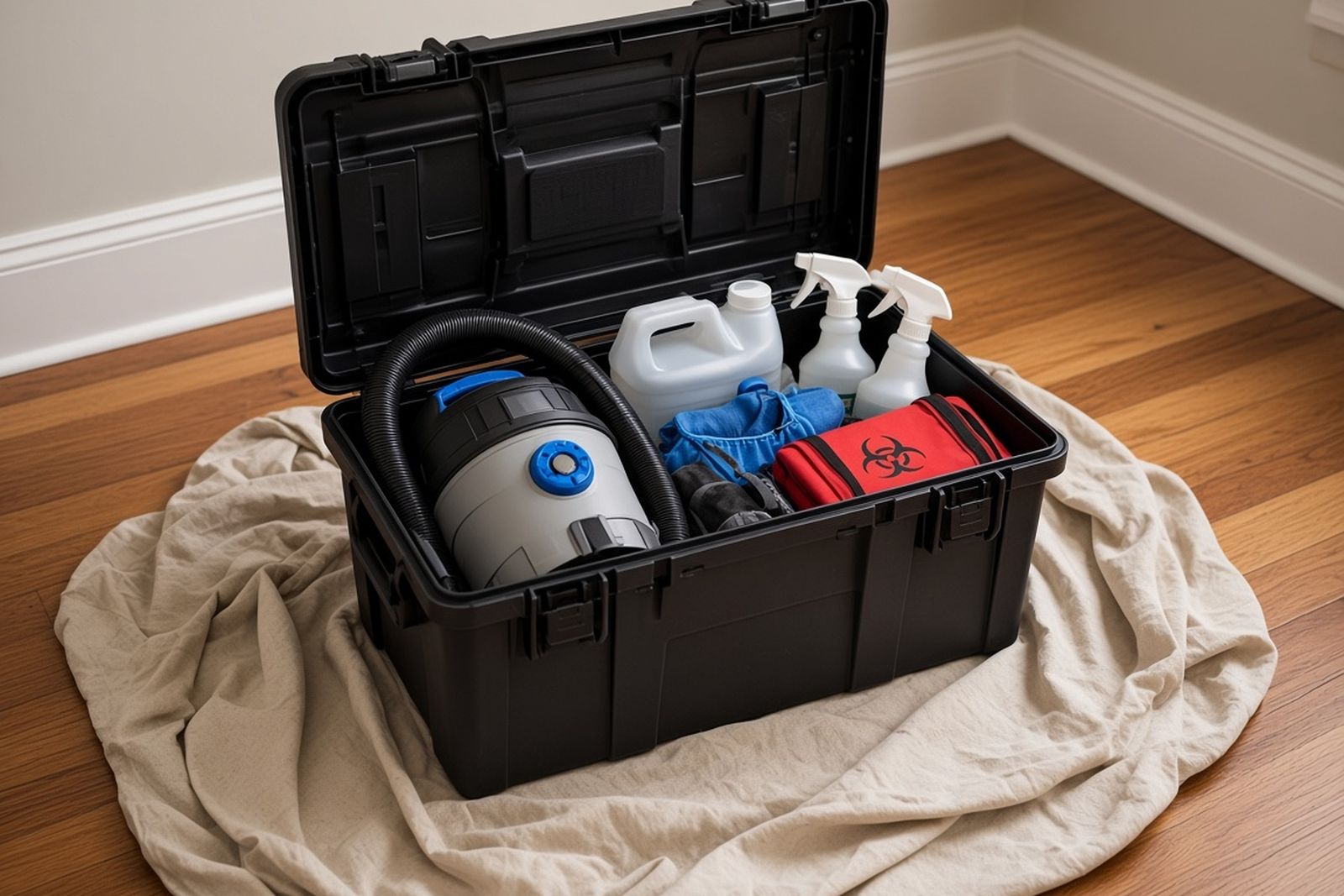
Costs explained
What drives the price, published cost ranges, and how to read a written quote line by line.
Insurance and payment
Which policies may respond, how to document a claim, and what to do if coverage is denied.
Planning tools
Planners, checklists, and guides you can click through for the days after police release a crime scene, each built for this situation.
Community polls
See what other readers think about the choices people face after a crime at their property, from picking a company to what surprised them most.
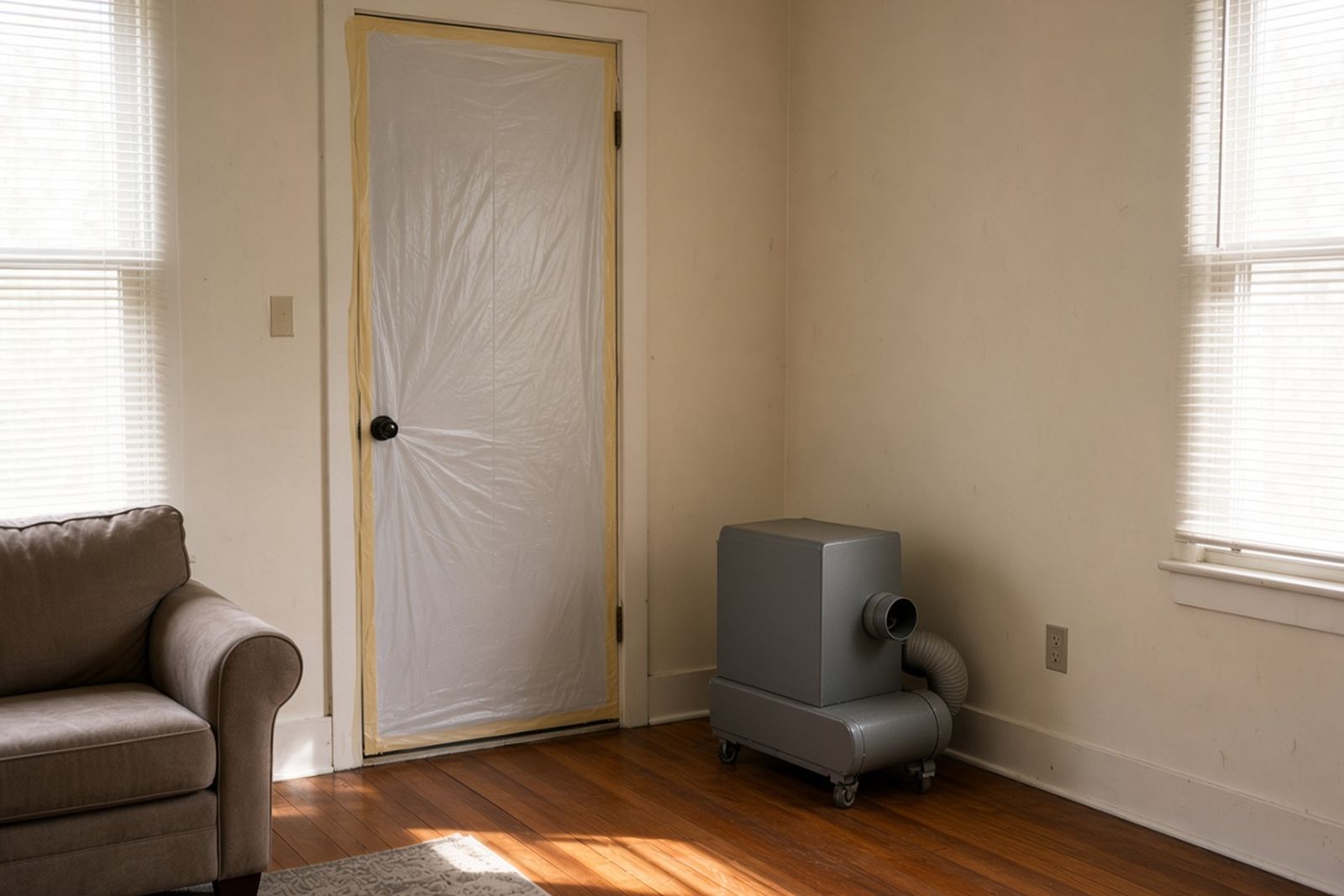
Knowledge quiz
Test what you know about scene release, sealing off the area, disinfecting, waste, and checking the work, with a short quiz and a plain study guide.
Field guides
Longer step-by-step guides on confirming scene release, working with insurers, reading a cleanup job plan, and keeping people safe while work is underway.
City guides
Find local facts and reach companies by area, with reminders that license and disposal rules vary by state and county.