Short answer
Before you hire, ask who does the work, how they are trained, and whether they will look at the scene before quoting. Ask what the written work plan covers, how they handle fingerprint powder, and how waste is recorded. Then ask how pricing and changes work, how they deal with insurance and victim compensation, and how they protect your privacy and belongings.
Why the questions matter
After a crime at your home or business, several companies may contact you, sometimes within hours. Some will be excellent. Others may be new to the work, overpriced or quick to promise things they cannot deliver. You are under stress, so it is easy to say yes to the first voice that sounds sure of itself.
A short list of questions gives you a fair way to compare companies on what counts. You do not need any technical knowledge to use it. Listen for clear, specific answers and a willingness to put things in writing. Be wary of vague comfort, pressure to sign right away or promises that insurance will pay for everything. Those are warning signs.
You can hand these questions to a friend, relative, property manager or victim advocate and let them make the calls. What matters is that someone asks.
Questions 1 and 2: who does the work, and how they are trained
Ask whether the company's own employees will do the cleanup or whether it hires another business to do it. Using a subcontractor is not always a problem. But you deserve to know who will be in your home and who answers for it if something goes wrong.
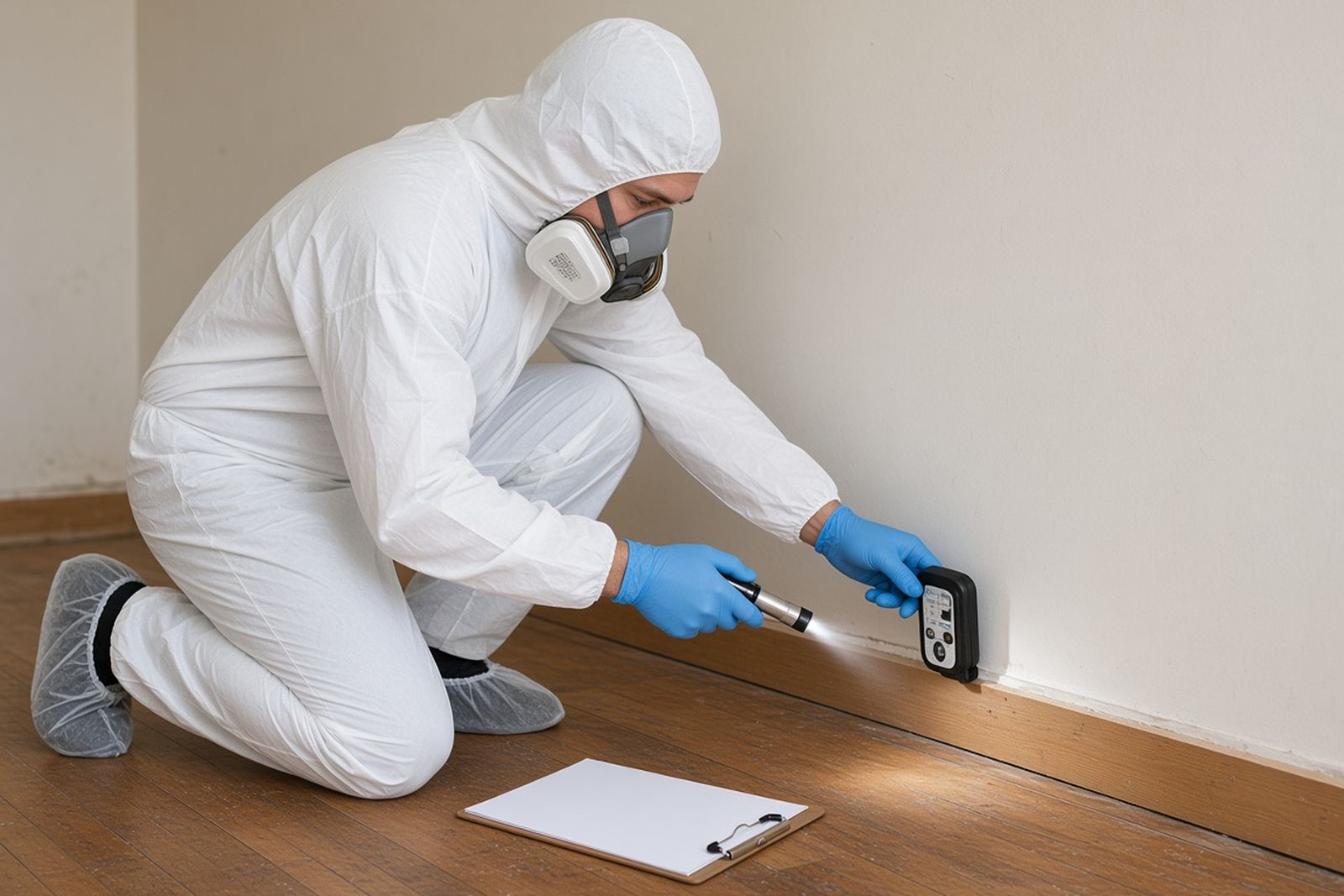
Then ask about training. Workers here handle blood and other body fluids that can carry disease. Their employer is expected to have a written exposure control plan, which is a plan for keeping workers safe from those fluids. The employer is also expected to train workers and give them certain protections. Ask the company to describe its program and whether it can show you training records. Some states also require a registration or license for this kind of work or for hauling the waste. Ask which ones apply where you live and how the company meets them.
Be careful with claims like "fully certified" that come with no explanation. A company you can trust will tell you what its training covers and who issued it.
Questions 3 and 4: a visit to the scene and a written work plan
A reliable company will want to see the scene, or at least detailed photos, before it gives you a firm price. Crime scenes differ too much to price well from a phone call. Ask whether the estimate is based on a visit to your property. Ask whether they charge for that visit.
Next, ask for a written work plan before any non-urgent work begins. Companies often call this the work plan. It should list each affected area. It should say what will be cleaned in place, what will be removed and why. It should cover how police residue will be handled, how your belongings will be treated, how waste will be recorded and what is left out. A plan written this way protects you. It also supports your insurance claim and lets you compare bids fairly.
Some companies say they do not give written plans, or that you will get paperwork only at the end. Treat that as a serious concern.
Question 5: fingerprint powder and other police residue
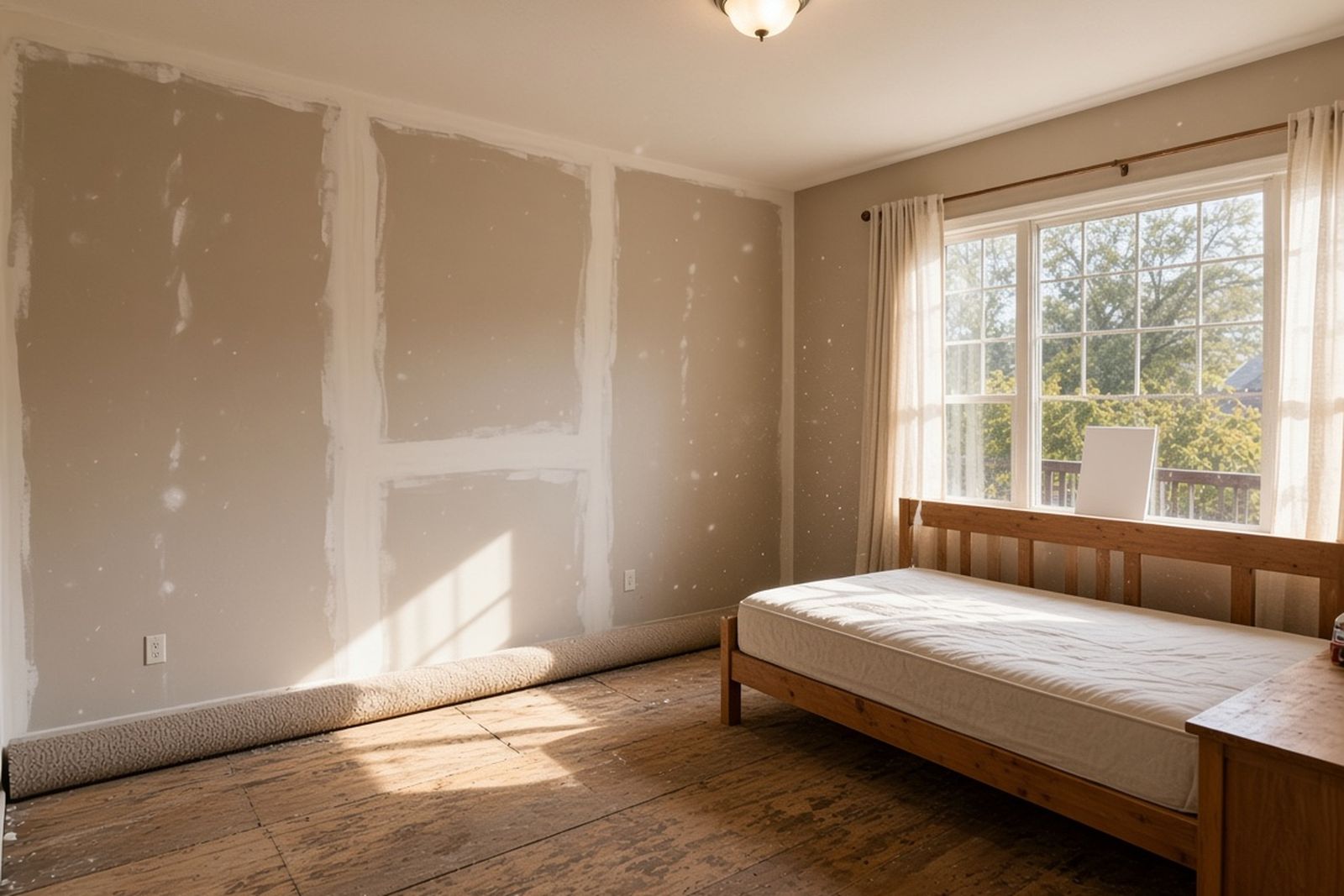
Crime scenes often hold residue that has nothing to do with blood. Think of fingerprint powder, test chemicals and marking materials left by investigators. These can smear, stain and settle into fabrics and rough surfaces. Ask whether the company removes them as part of its work plan. Ask what methods it uses on different surfaces and whether it has handled scenes like yours.
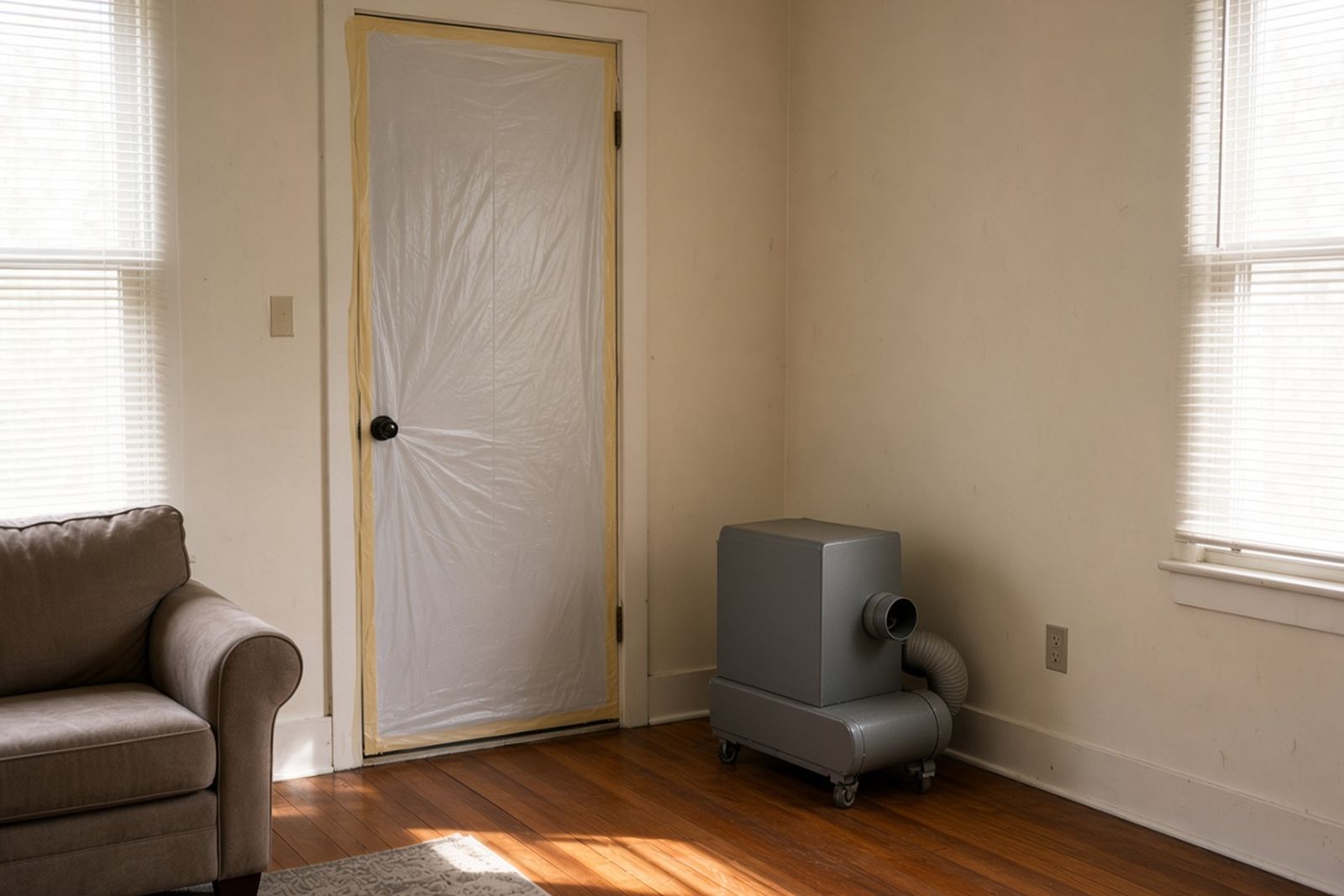
You might also ask how the crew protects the parts of your property that investigators never touched. Powder and debris can travel from room to room on shoes and equipment. A good crew will lay down protective coverings along its path and mark off a clear work zone. Crews that do this tend to leave the rest of your home in better shape than crews that simply start cleaning.
Question 6: What happens to regulated waste?
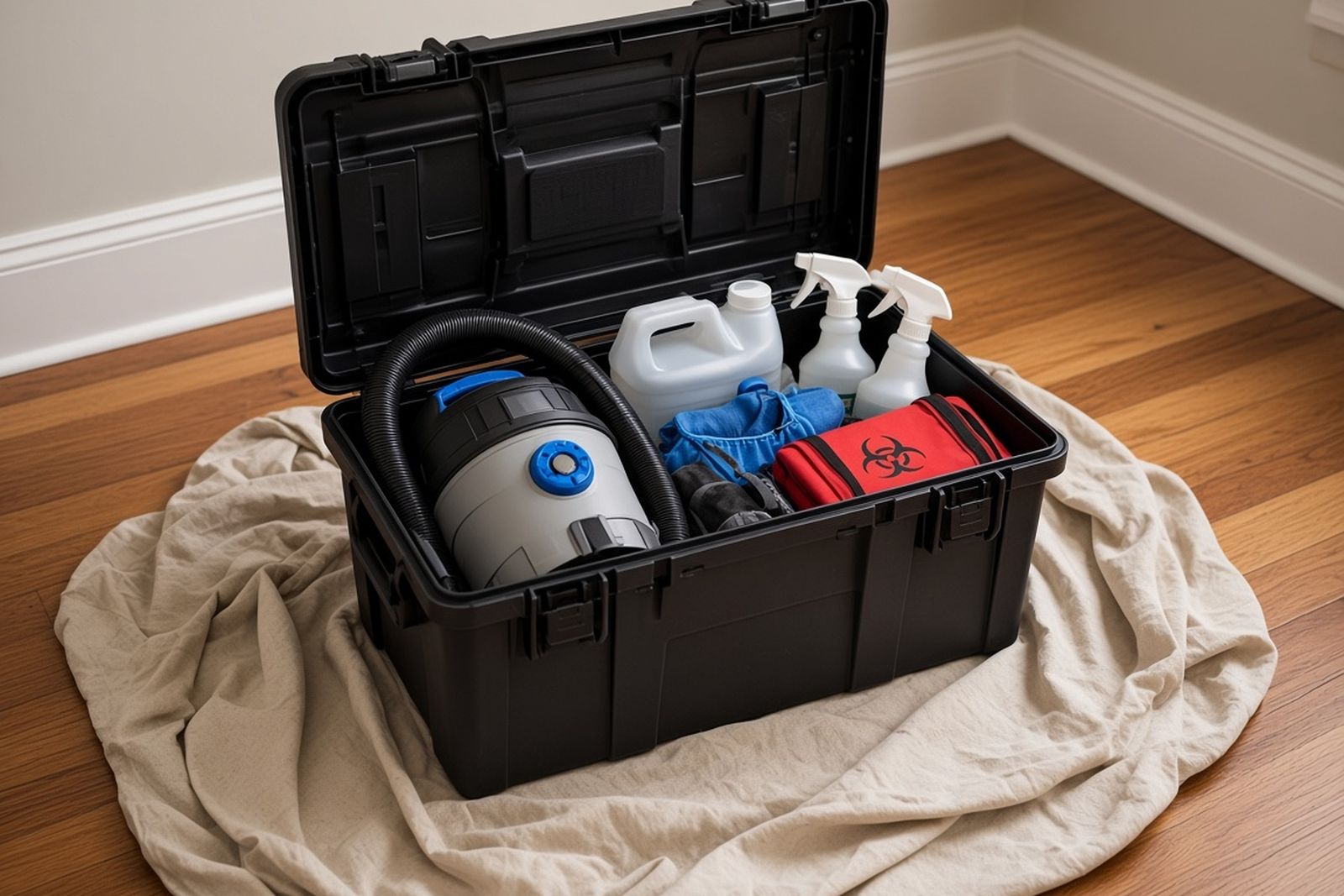
Ask how items soiled with blood or other body fluids will be packed, labeled, hauled away and disposed of. Ask for a record that shows where the waste went. Waste rules differ between states and sometimes between counties. A professional company will know the rules in your area.
If a company seems unsure how to answer, it may not have much experience with crime scenes in particular.
Questions 7 and 8: pricing, and how changes get approved
Ask whether you will pay by the hour, by the job or a mix of both, and what the price includes. Labor, protective gear, cleaning products, equipment rental, waste disposal and removal of building materials may each be billed in a different way. If you need emergency service, ask about after-hours charges.
Then ask what happens if the crew finds more damage than expected, such as blood that seeped under the flooring. A good company will stop, show you photos and get your approval before it does more work. Ask how your approval will be recorded, whether by text, email or signature.
Compare these answers across companies. A lower price that leaves out residue removal or waste disposal may cost you more in the end.
It is also fair to ask whether the price includes repairs. Many crime scene companies stop once soiled materials are removed and the area is disinfected. They leave flooring, drywall and paint to a contractor. Others do the rebuilding themselves. Neither approach is wrong. But knowing which one you are buying helps you budget for the whole recovery, not just the first phase.
Question 9: Will you work with my insurer and help with victim compensation paperwork?
Many crime scene cleanup companies talk directly with insurers. Some also know their state's victim compensation program. Ask what paperwork they will give you, such as an itemized work plan, photos and disposal records. These are often exactly what adjusters and compensation programs ask for.
Read anything you are asked to sign with care. An assignment of benefits hands some of your claim rights to the company. A direction to pay only lets the insurer pay the company directly. Ask what you will owe if the claim is partly denied. A company you can trust will never guarantee that insurance or compensation will pay.
Victim compensation programs usually require a police report and have filing deadlines. A victim advocate can help you understand the rules in your state.
Question 10: How will you protect my privacy and my belongings?
Ask whether the company uses unmarked vehicles and what crews say if neighbors ask questions. Ask how they handle personal items found in the affected area. Ask whether they will set aside anything you name as important. Ask for a list of items removed and returned.
If the scene is in a business, ask whether they can work outside your opening hours and how they will speak with your staff. If it is in a rental, ask how they will work with both the landlord and the tenant.
Ask, too, whether the company carries general liability and pollution liability coverage. Ask whether it can send you a certificate of insurance. A crew member could be hurt on your property, or something could be damaged during the work. If so, you want the company's coverage to respond, not yours. Asking for this document is routine. Established companies can usually send it the same day.
- Unmarked vehicles and plain clothing when the crew arrives
- No talk about what happened with neighbors or the media
- A list of personal items set aside, cleaned or thrown away
- Copies of every document sent to your insurer or anyone else
The questions in a real situation
To see the list at work, consider an illustrative case. A small restaurant owner arrives in the morning and learns that someone was hurt during an overnight robbery. Police process the scene and release it by noon. Two cleanup companies call within the hour.
The owner's manager asks both companies the ten questions. The first says it can come right away. But it will not give a written work plan until the job is done, and it cannot explain how waste will be recorded. The second sends a supervisor to look at the space. It gives an itemized plan that includes removing fingerprint powder from the register area and kitchen doors. It explains its per-hour pricing and agrees to send photos before doing any added work.
The owner chooses the second company. The crew finishes the job that evening. The owner receives photos, a waste record and a closing summary to send to the insurer.
The restaurant is made up. What carries over to your real life is how quickly the questions set one company apart from another.
What if I have already hired someone and I am not comfortable?
You can still ask these questions after you sign. Ask for a written work plan and a clear explanation of the charges. If work has not started, check your contract for the terms on canceling. If something seems wrong, your state's consumer protection office or attorney general can explain your options.
Most of all, remember that you are allowed to slow down. Unless there is an urgent safety issue, taking a few hours to compare companies is reasonable. A reputable company will respect that.